
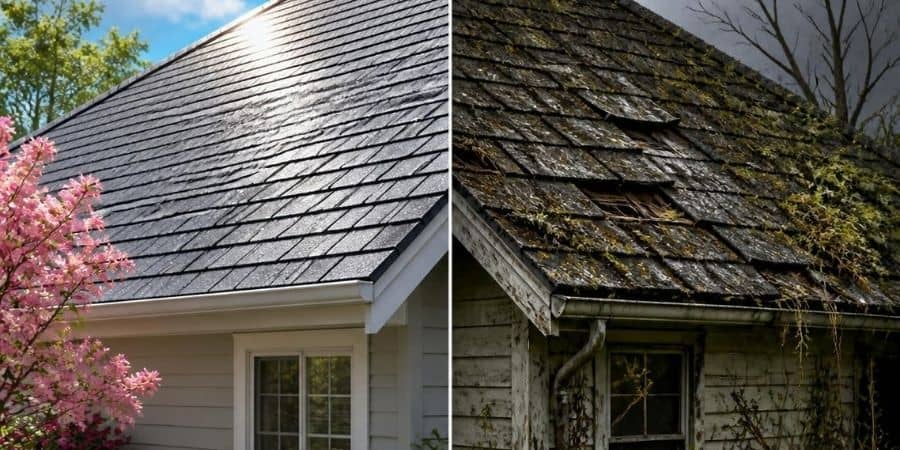
Replacing a roof is one of the largest maintenance expenses most property owners will face. The good news is that many roofs reach the end of their service life sooner than they should, not because of age alone, but because small problems are left unattended.
Regular inspections, timely repairs, and preventative roof waterproofing can significantly extend the lifespan of a roof while reducing the likelihood of expensive structural damage.
For homeowners and property managers in Pretoria, where roofs face intense UV exposure, seasonal storms, and changing temperatures throughout the year, preventative maintenance is often the most cost-effective way to protect a property.
The key is not waiting until a leak appears. It is identifying potential problems before they become major repairs.
Key Takeaways
| Maintenance Activity | Why It Matters | Recommended Frequency |
| Roof inspections | Detect problems early | Annually and after severe storms |
| Gutter cleaning | Prevent water build-up | Every 3–6 months |
| Roof waterproofing maintenance | Protect against moisture | As recommended for the waterproofing system |
| Minor roof repairs | Prevent larger failures | As soon as damage is identified |
| Tree trimming | Reduce storm damage risk | Annually or as required |
Why Roof Maintenance Matters
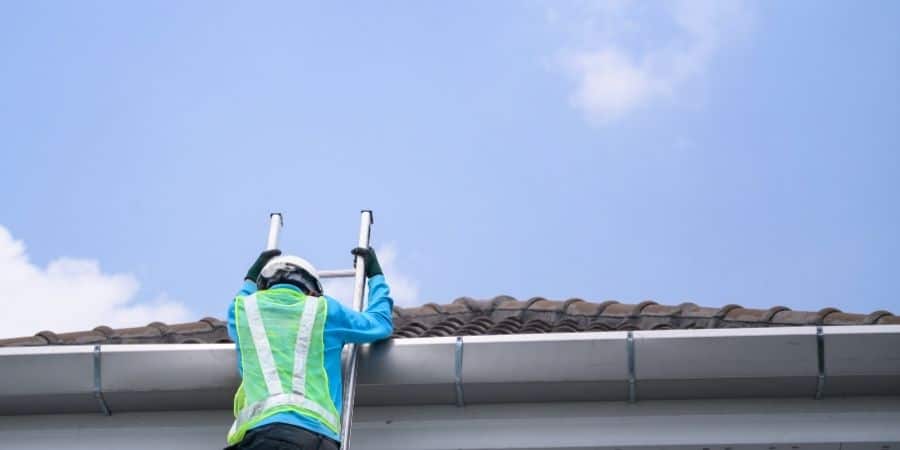
Every roof is exposed to continuous weathering.
Pretoria’s climate places roofs under constant pressure from:
- Intense sunlight
- UV exposure
- Heavy summer rainfall
- Wind
- Daily temperature changes
These conditions gradually affect roofing materials, waterproofing systems, flashings, and drainage components.
Small issues often develop slowly before becoming noticeable.
Water only needs a weak spot to get through. Once moisture enters the roof system, damage can spread beneath the surface long before leaks become visible inside the property.
Regular maintenance helps identify those weak points early.
A Year-Round Roof Maintenance Plan
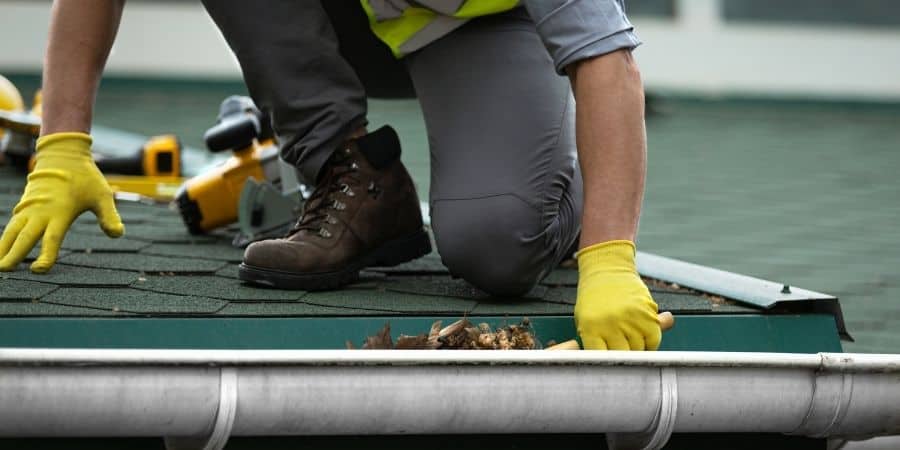
Looking after a roof throughout the year is generally more affordable than waiting for emergency repairs.
Summer
Heavy rain and thunderstorms make summer an ideal time to monitor roof performance.
Check for:
- Blocked gutters
- Overflowing downpipes
- Ponding water
- New leaks after storms
- Damaged flashing
If heavy rainfall reveals new problems, arranging an inspection early may help prevent further moisture damage.
Autumn
Leaves and debris often begin collecting in drainage systems.
Maintenance should include:
- Clearing gutters
- Cleaning roof outlets
- Removing branches
- Inspecting roof valleys
- Checking waterproofing details
Keeping drainage systems clear reduces the chance of standing water placing unnecessary pressure on waterproofed areas.
Winter
Although rainfall is generally lower, winter provides an opportunity to identify damage that developed during the wetter months.
Inspect for:
- Cracked roof tiles
- Loose ridge capping
- Deteriorated sealants
- Damaged waterproof coatings
- Signs of roof movement
This is often a good time to schedule preventative repairs before the summer storm season returns.
Spring
Spring inspections prepare the roof for increased rainfall.
Focus on:
- Roof cleaning
- Waterproofing inspections
- Flashing assessments
- Roof tile condition
- General maintenance
Addressing minor defects before summer usually costs less than repairing water damage afterwards.
The Importance of Roof Waterproofing
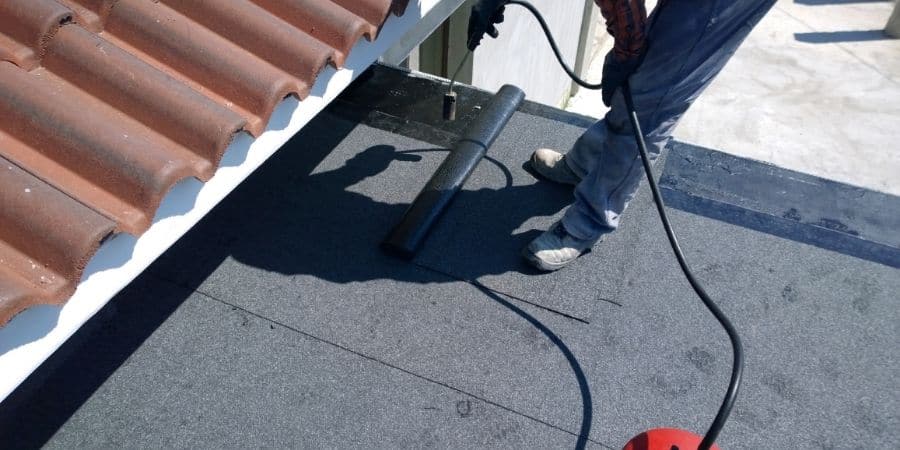
Waterproofing is one of the most effective ways to protect a roof from long-term moisture damage, and following industry standards helps ensure the work holds up over time.
Depending on the roof type, waterproofing may involve:
- Acrylic waterproof coatings
- Torch-on membranes
- Bitumen waterproofing
- Polyurethane systems
- Flashing protection
- Joint sealing
Waterproofing systems do not last forever.
As they age, regular inspections help determine whether maintenance or renewal is needed before leaks begin.
Roofing Insight
Roof waterproofing works best when it is maintained before obvious failure occurs. Waiting until water enters the building often means repairs are needed alongside waterproofing work.
Signs Your Roof Needs Attention
Many roofing problems provide warning signs before serious damage develops.
Look out for:
- Water stains on ceilings
- Damp patches
- Recurring leaks
- Cracked or missing roof tiles
- Bubbling paint
- Ponding water
- Loose flashing
- Sagging gutters
- Mould or persistent damp smells
These issues may indicate that repairs or waterproofing should be considered before further deterioration occurs.
Why Minor Repairs Should Never Be Delayed
It is easy to postpone repairing a small crack or replacing a broken tile.
However, minor roofing problems rarely remain isolated.
Delaying repairs can contribute to:
- Water penetration
- Ceiling damage
- Damp insulation
- Mould growth
- Structural deterioration
- More extensive waterproofing failures
Early attention usually costs less than restoring damage that has continued developing over several months or years.
Professional Roof Inspections Help Prevent Bigger Problems

Many roof issues are difficult to identify from ground level.
A professional inspection typically includes:
- Roof covering assessment
- Waterproofing evaluation
- Flashing inspection
- Drainage assessment
- Leak detection
- Structural observations
The goal is to identify developing problems before they become expensive repairs.
What Roofing Specialists Look For
| Inspection Area | Why It Matters |
| Waterproofing condition | Prevents moisture penetration |
| Flashing | Protects vulnerable roof details |
| Roof coverings | Identifies weather-related deterioration |
| Drainage systems | Prevents ponding water |
| Roof penetrations | Common leak locations |
Maintenance vs Roof Replacement
Many property owners believe replacement becomes necessary once a roof begins showing signs of age.
In reality, ongoing maintenance can often extend the roof’s useful lifespan significantly.
Comparing Long-Term Costs
| Option | Typical Long-Term Outcome |
| Regular maintenance | Lower repair costs and longer roof lifespan |
| Delayed maintenance | Increasing repair requirements |
| Reactive repairs only | Higher long-term ownership costs |
| Roof replacement | Highest upfront investment |
A roof that receives consistent maintenance generally requires fewer major repairs than one that is only repaired after leaks appear.
When Should You Call a Professional Roofing Contractor?
It is advisable to arrange a professional inspection if you notice:
- Recurring roof leaks
- Ceiling stains
- Ponding water
- Cracked waterproofing
- Loose flashing
- Damaged roof tiles
- Storm damage
- Signs of roof movement
Even if no obvious problems are visible, annual inspections provide an opportunity to detect early deterioration before it becomes more expensive to resolve.
Preventative Roof Maintenance Checklist
- Inspect the roof annually
- Arrange inspections after severe storms
- Clean gutters and downpipes regularly
- Remove debris from the roof surface
- Repair damaged tiles promptly
- Maintain waterproofing systems
- Check flashing around roof penetrations
- Monitor ceilings for signs of moisture
- Address drainage issues early
- Keep nearby trees trimmed
Frequently Asked Questions
How can I extend the lifespan of my roof?
Regular inspections, preventative maintenance, timely repairs, and professional roof waterproofing all help extend roof lifespan.
How often should a roof be inspected?
Most roofs benefit from a professional inspection at least once a year and after severe weather events.
Does roof waterproofing help roofs last longer?
Yes. A properly maintained waterproofing system helps reduce moisture damage and protects roofing materials from ongoing weather exposure.
Is preventative maintenance worth the cost?
In many cases, yes. Identifying and repairing small issues early usually costs less than dealing with widespread roof damage or premature roof replacement.
Conclusion
Extending the lifespan of your roof is rarely about one major repair. It is usually the result of consistent maintenance, regular inspections, and addressing small problems before they become expensive ones.
Pretoria’s climate places continuous pressure on roofing systems, making preventative maintenance an important part of protecting both the roof and the property beneath it.
Whether through routine inspections, professional roof waterproofing, or timely repairs, taking action early can help maximise the life of your roof while reducing long-term maintenance costs.
Request a Free Roof Inspection
Since 1977, Connoisseur Roofs has helped homeowners, businesses, and property managers across Pretoria protect their roofs through professional inspections, roof waterproofing, quality repairs, and planned maintenance.
Whether your roof needs a routine assessment or expert advice on extending its lifespan, our experienced, family-owned team is here to help.
Request a free quote or book a no-obligation roof inspection today.


