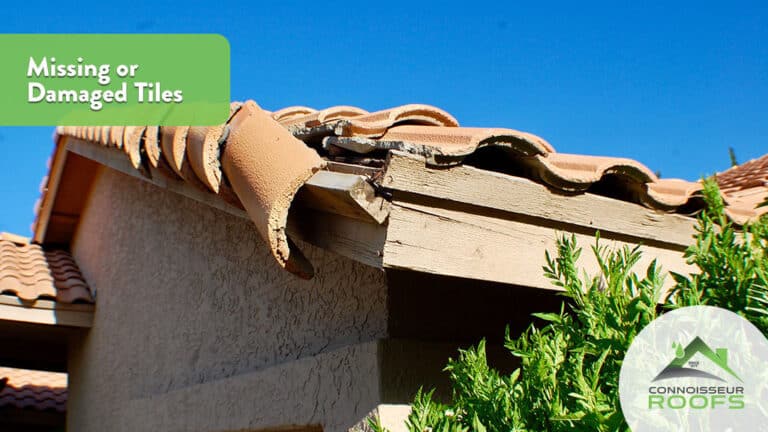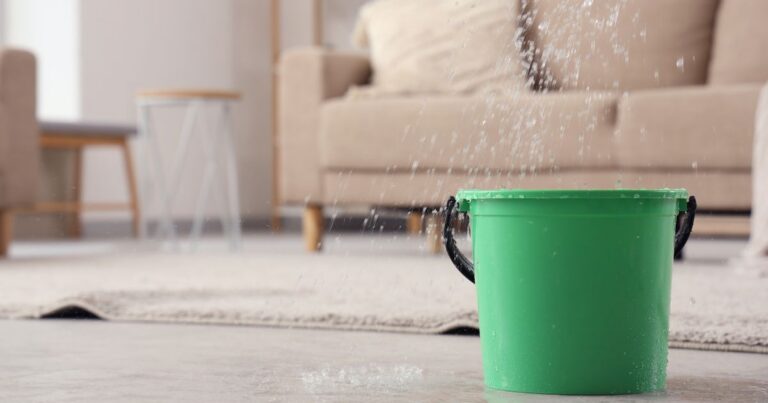
A commercial roof leak is not always a quick patch-and-done situation. Before anything is repaired, the bigger question is why the leak started in the first place.
One damaged section can be a simple fix, but if the same roof has been causing problems for months, there is usually more going on beneath the surface.
For most commercial buildings:
- When the issue is localised, the best option is generally to repair the roof
- Waterproofing makes more sense when the leaks are persistent, or the roof is ageing
- Repair work, together with waterproofing, can provide a longer-lasting result
Not all the options will address the problem correctly and choosing the incorrect one may leave you with another leak in a few months’ time.
Common Roofing Problems and Solutions
| Roofing Problem | Recommended Approach |
| A leak in one section of the roof | Roof repair |
| Leaks that keep returning | Waterproofing |
| An older commercial roof showing wear | Waterproofing system |
| Damage after severe weather | Roof repair |
| Routine protection and maintenance | Waterproofing |
| Damage affecting large sections of the roof | Waterproofing or a roof replacement assessment |
Do You Need Roof Repairs or Waterproofing? Here’s the Difference
Two buildings might have the same leak and need vastly different remedies. One roof may have a piece that has become weak and may be fixed with a little effort. There might be continuing moisture issues that are symptomatic of a more pervasive roof deterioration.
This is when the difference becomes obvious. One remedies the damage, and the other tries to prevent future water concerns with the roof.
A roof repair may involve:
- Sealing cracks
- Replacing flashing
- Patching membrane damage
- Fixing drainage points
Roof waterproofing usually includes:
- Applying protective coatings
- Installing waterproof membranes
- Reinforcing vulnerable joints
- Improving weather resistance
Some roof issues are isolated and don’t usually need extensive maintenance. Sometimes a small leak, a portion of cracked roofing or broken flashing may be fixed without replacing bigger portions of the roof.
Waterproofing provides a moisture barrier and minimises damage from extended exposure to rain, sun and changing weather conditions. Repairs deal with current problems, and waterproofing is there to reduce future issues.
Why Many Commercial Roofs Need Both
Water does not always come straight down through the roof and show up in the same location. It may go beneath the surface and come out metres distant from where it went in. That is why a fix alone may not always prevent the problem from recurring.
The work usually involves:
- Repairing damaged areas
- Clearing or correcting drainage problems
- Adding waterproof protection to the roof
This reduces:
- Future repair costs
- Business disruption
- Interior water damage
- Recurring leak risks
Roof Waterproofing vs Roof Repair
| Feature | Roof Repair | Waterproofing |
| Purpose | Fix existing damage | Prevent future leaks |
| Scope | Localized areas | Entire roof surface |
| Cost | Lower upfront | Higher upfront |
| Long-Term Protection | Limited | Extensive |
| Maintenance Frequency | Higher | Lower |
| Best For | Isolated issues | Aging or vulnerable roofs |
No. Repairing a roof is about fixing what is already broken. Waterproofing is more of a prophylactic measure that protects the roof from moisture and weather exposure before any issues begin.
It could help stop water leaking through, but you need to fix any broken parts first to deal with the source of the leak.
Signs That Indicate Something Is Wrong with Your Roof

A commercial roof usually starts showing wear long before anything serious happens. Small problems can sit there unnoticed for quite a while, then suddenly turn into leaks or damage that costs far more to sort out. Catching them early is usually easier on the budget.
Common Warning Signs
Recurring Leaks
Leaks that repeatedly return often indicate:
- Ailing waterproof membranes
- Hidden moisture damage
- Deteriorating roof systems
Ponding Water
Standing water is easy to dismiss because the roof is already wet. The concern starts when the same areas stay wet long after everything else has dried.
Cracked or Blistered Surfaces
Micro-cracking and puffing in the roof surface could indicate that the material may be deteriorating. The effects of weather changes over time can cause deterioration to the surface of the roof.
Interior Dampness
Sometimes water-related issues are hard to detect from outside. You may notice dark stains on the ceiling or mould on the corners or wet areas inside the building.
Increasing Energy Costs
When wet, insulation is less effective in keeping indoor and outside temperatures separate.
Most roofing problems begin with warning indicators that go unheeded. Water in the same places, wet patches on the inside, cracks, or water damage may all be signs that your roof is no longer effective.
Common Roofing Warning Signs
| Roofing Concern | Likely Cause |
| Dampness or staining indoors | Water entering through the roof |
| Water remaining after heavy rain | Ineffective drainage |
| Damage or splits in the membrane | UV deterioration |
| Mould beginning to form | Moisture that has not dried out |
| Ongoing leaks | Waterproofing failure |
| Swollen or lifted areas | Moisture trapped below the surface |
Expert Insight
A commercial roof does not usually fail without some kind of build-up beforehand. Damage can slowly develop over time while everything still appears normal from the outside. Waterproofing early may help avoid more significant issues from emerging.
Waterproofing problems can start quietly. A roof may develop surface cracks, raised sections, moisture marks inside the building, or leaks that disappear and return during wet weather.
Commercial rooftops are constantly exposed to the weather. Age, trapped water, broken flashing details, and frequent temperature swings may slowly degrade elements of the roofing system and cause leaks to occur.
When Fixing the Roof May Be Enough
Roof damage is not always widespread. A small leak, missing sections, or an isolated problem can be hugely different from a roof that is failing from end to end.
Repairs are more commonly used for things like:
- Isolated leaks
- Storm damage
- Flashing separation
- Punctured membranes
- Minor drainage issues
Common Commercial Roof Repairs
Flashing Repairs
Flashing around:
- HVAC systems
- Parapet walls
- Vents
- Skylights
A lot of leak callouts end up coming back to these areas.
Crack Repairs and Sealing Work
Small movements in the roof can leave fine cracks behind over time. Sealing these areas helps stop water from slipping through and causing further trouble.
Membrane Patching
Localised punctures can often be repaired without replacing the full roof system.
Drainage Adjustments
Drainage corrections are used where water is not moving off the roof properly due to blocked or restricted areas.
If the damage is localised and not spread over the roof, a repair is often the preferable alternative. If the rest of the roof is in excellent condition, small leak sites, storm damage, membrane damage, flashing issues, or isolated pockets of decay may all be dealt with successfully.
Signs Roof Repair Is Enough
| Roof Condition | Repair Suitable? |
| Single isolated leak | Yes |
| Minor flashing damage | Yes |
| Small puncture | Yes |
| Multiple recurring leaks | No |
| Widespread membrane failure | No |
| Large moisture spread | No |
Emergency vs Preventive Roofing
| Situation | Best Solution |
| Active sudden leak | Roof repair |
| Aging roof with repeat leaks | Waterproofing |
| Localized puncture | Repair |
| Deteriorating membrane | Waterproofing |
Common Mistake: Relying on Repeat Patch Repairs
Some leaks keep showing up because the repair work is only dealing with the affected spot. When waterproofing materials begin to break down, surface fixes may only provide short-term relief rather than solving the broader issue.
It will be quite long, assuming the damage was repaired in a proper way. The average life span of a roof repair will last for 2 to 8 years for commercial roofs, though weather and drainage are among the factors that could affect this.
In many situations, yes. Repairs usually have a smaller upfront price tag, although repeated leaks and return visits can increase costs in the long term.
How Recurrent Problems Might Mean a Need for Waterproofing
Constant water issues do not necessarily mean another repair is necessary. In some instances, leaking or persistent dampness indicates an urgent need for a comprehensive approach. Installing a waterproofing system means that you are taking a preventative action.
Waterproofing Is Usually Best When:
- Leaks return repeatedly
- Roof membranes are aging
- Previous repairs have failed
- Ponding water persists
- Preventive maintenance is required
Common Waterproofing Systems
Torch-On Membranes
Exceptionally durable systems ideal for commercial flat roofs.
Benefits:
- Strong UV resistance
- Long lifespan
- Reliable waterproof protection
Acrylic Waterproof Coatings
Flexible coating systems commonly applied to concrete roofs.
Benefits:
- Reflective surface
- Lower maintenance costs
- Easier application
Bitumen Membranes
Bitumen roofing systems are utilised widely throughout industrial buildings and commercial sites because they can resist tough conditions and constant exposure.
Benefits:
- Provides durable barrier against water entry
- Designed for durability, even in harsh conditions
Roof waterproofing is a more comprehensive solution to ageing or extensively surface-damaged roofs than only fixing the same leaks repeatedly.
This technique helps preserve the roof system against water leakage, severe sun exposure, and slow deterioration over years.
How Do Different Waterproofing Systems Compare?
| System | Typical Lifespan | Best Use |
| Torch-on membrane | 15–25 years | Commercial flat roofs |
| Acrylic coating | 5–10 years | Maintenance waterproofing |
| Bitumen membrane | 10–20 years | Industrial buildings |
| Polyurethane coating | 10–15 years | High-performance systems |
Waterproofing Benefits
| Benefit | Commercial Impact |
| Leak prevention | Fewer disruptions |
| UV protection | Longer roof lifespan |
| Reduced maintenance | Lower repair frequency |
| Moisture control | Interior protection |
| Asset preservation | Higher property value |
Expert Insight
When building owners look at roofing expenses over a ten-year period, preventative waterproofing can end up costing far less than dealing with repeated emergency repairs every time leaks or damage appear.
There are several variables that affect waterproofing, including weather, roof wear, and tear, etc. Commercial roof waterproofing is intended to protect the surface for about 10 to 25 years on average.
Yes, it can because waterproofing acts as a barrier for water entry through the roof. The roof becomes more protected from moisture issues and leaking risks long-term.
Roof Waterproofing vs Roof Repair Comparison
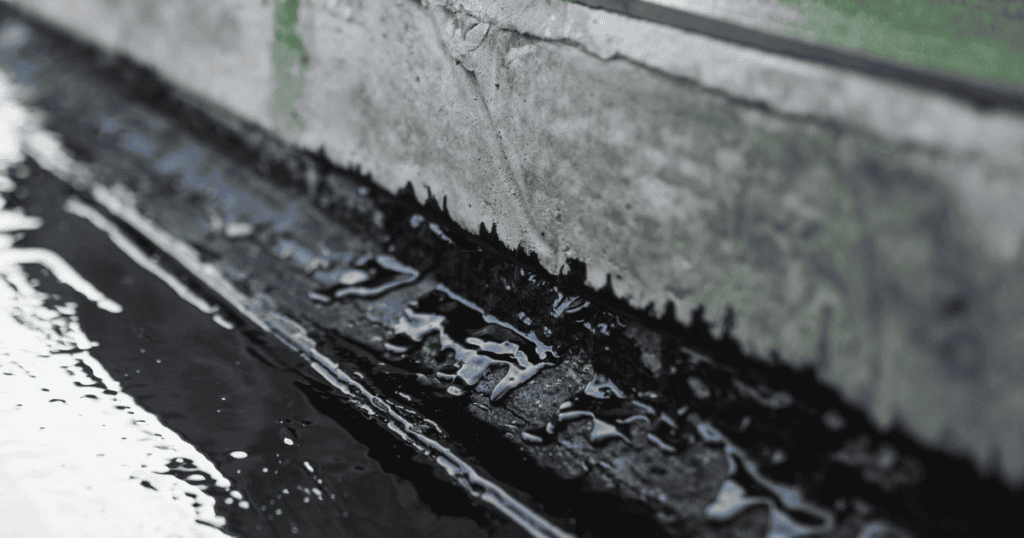
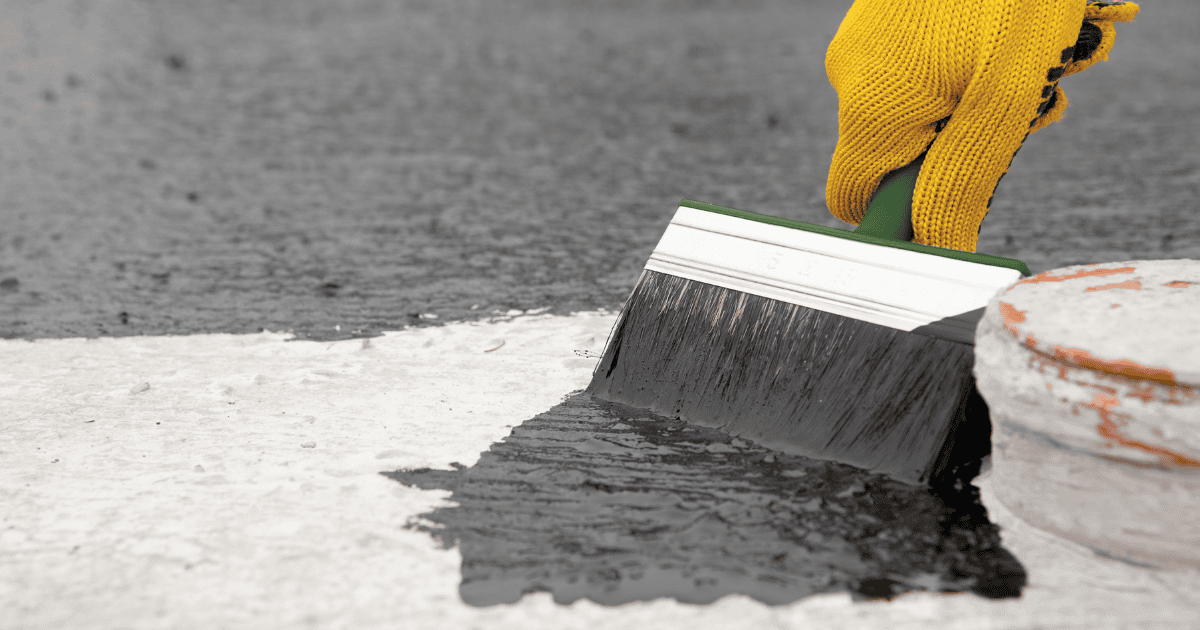
The best roofing solution depends on:
- Roof condition
- Leak frequency
- Building age
- Maintenance history
- Long-term commercial goals
Roof repairs are inexpensive at first since only a part of the roof will be fixed. This solution is often chosen when the damage is confined to one specific area of the roof.
On the other hand, waterproofing involves a considerable expense at first. However, since the entire roof is covered in such a way, it will need to be repaired less often during its lifetime.
Full Roofing Comparison Matrix
| Factor | Roof Repair | Waterproofing |
| Upfront Cost | Lower | Higher |
| Long-Term Value | Moderate | High |
| Leak Prevention | Limited | Extensive |
| Maintenance Frequency | Higher | Lower |
| Lifespan Extension | Moderate | Significant |
| Commercial ROI | Medium | High |
| Best For | Isolated damage | Aging roofs |
Pros vs Cons
| Solution | Pros | Cons |
| Roof Repair | Fast, affordable | Temporary if roof is aging |
| Waterproofing | Long-term protection | Higher upfront investment |
Decision Matrix
| Roof Situation | Recommended Action |
| One isolated leak | Repair |
| Multiple recurring leaks | Waterproofing |
| Roof older than 10 years | Waterproofing assessment |
| Structural deterioration | Specialist inspection |
| Widespread membrane failure | Waterproofing or replacement |
Waterproofing systems last significantly longer than isolated roof repairs.
Many choose waterproofing since it can become costly to keep fixing the same thing repeatedly. Early protection can reduce the need for repairs later and help keep maintenance costs down long-term.
Comparing The Cost Commercial Roofing Solutions
Two roofing systems can have very different price tags at installation, but that does not always tell the full story. Costs continue long after the work is finished.
Where Commercial Roofing Costs Come From
Roof Repairs
Costs vary depending on:
- Leak severity
- Membrane damage
- Accessibility
- Drainage issues
Waterproofing Systems
Waterproofing usually includes:
- surface preparation
- membrane installation
- coating systems
- drainage improvements
This creates higher initial costs but lower future maintenance expenses.
Roof repairs are usually more affordable initially since they involve smaller costs compared to installing waterproofing systems.
Although they can effectively address an existing problem, they can also involve higher future expenses due to repeated repairs, leaks, and related damages. In contrast, waterproofing involves greater initial expenses yet will prevent any moisture-related damages overall.
Ranking Roof Costs
| Service Type | Relative Cost |
| Minor repair | Low |
| Flashing repair | Low to medium |
| Waterproof coating | Medium |
| Torch-on waterproofing | Medium to high |
| Roof replacement | Extremely high |
ROI Comparison
| Solution | Long-Term Cost Trend |
| Repeated repairs | Increasing |
| Waterproofing | Stabilized |
| Full replacement | Highest upfront |
Maintenance Schedule
| Roof Type | Inspection Frequency |
| Repaired roof | Every 6 months |
| Waterproofed roof | Annually |
| Older untreated roof | Quarterly |
Commercial Insight
Businesses often underestimate secondary leak costs, including:
- Damaged stock
- Operational downtime
- Tenant disruption
- Ceiling replacement
- Insulation damage
Waterproofing protects the entire roof system rather than only fixing isolated defects.
In most cases, yes. The roof will be well-protected against any water damage through waterproofing, hence reducing the chances of undertaking any additional maintenance activities.
The Consequences of Delaying Roof Waterproofing
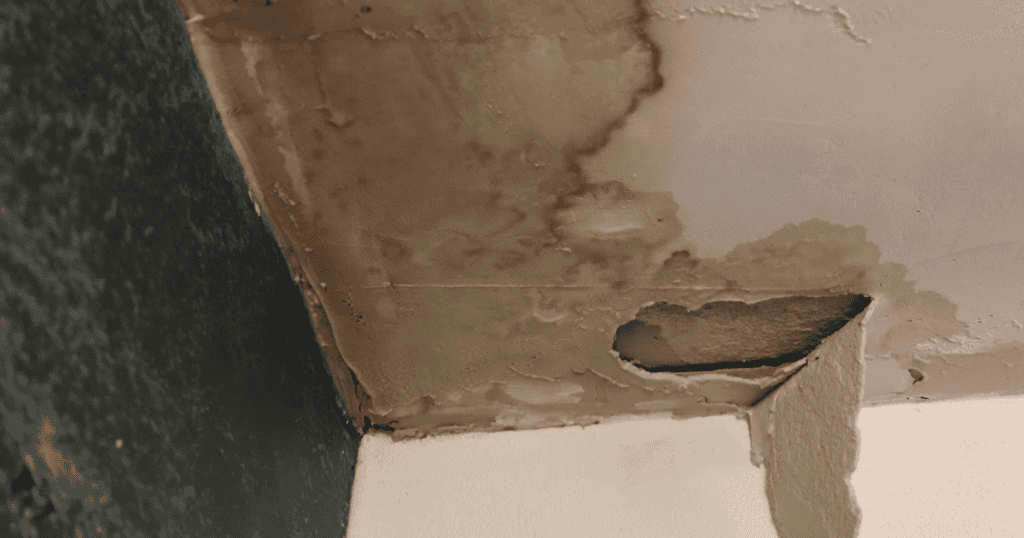
In many cases, it is difficult to detect moisture issues at first. Owners often fail to act on these problems until they cause visible damage, which unfortunately can sometimes happen very quickly, depending on the severity of the issue.
Once noticed inside a building, moisture could have developed extensively beneath its surfaces.
Common Risks
Structural Damage
Persistent moisture weakens:
- Concrete
- Insulation
- Internal ceiling systems
Mould Growth
Moisture creates conditions for mould development and indoor air quality problems.
Electrical Damage Risks
Not only can water damage walls and ceilings; there is also the potential for water to enter the electrical components, posing a risk that is not immediately obvious.
Procrastination Can Prove to Be Very Costly
Even a minor problem within the roof will end up costing a lot more money over time if it is left to worsen.
Unsolved roof issues may result in leakages, growth of mould in affected spots, damage to insulation, electricity problems, and even structural damage over time. In most cases, repairing an issue when it is minor costs less than restoring everything when the damage is extensive.
Risk Matrix
| Risk | Likelihood if Ignored |
| Recurring leaks | High |
| Ceiling damage | High |
| Mold growth | Medium to high |
| Structural weakening | Medium |
| Tenant disruption | High |
Yes. Wet insulation may decrease its capacity to help control the temperature within the house, which can contribute to greater heating and cooling expenditures.
Faster than most people think. Rainwater may flow rapidly through roof gaps and ceiling sections, especially after heavy rain.
Signs Your Roof Needs More Than a Quick Fix: Repair vs Waterproofing
The right roofing decision depends on balancing the following:
- Current damage
- Future risk
- Maintenance costs
- Long-term building protection
Step 1: Assess Leak Frequency
| Leak Pattern | Recommended Action |
| Single leak | Repair |
| Recurring leaks | Waterproofing |
| Seasonal leaks | Waterproofing assessment |
| Widespread moisture | Major restoration assessment |
Step 2: Evaluate Roof Age
| Roof Age | Likely Solution |
| Under 5 years | Repair |
| 5–10 years | Repair + maintenance |
| 10–20 years | Waterproofing |
| Over 20 years | Waterproofing or replacement |
Step 3: Inspect Drainage Systems
Not every roof issue starts with visible damage. Sometimes the warning signs come from water building up where it should not.
While inspecting the roof, check these spots:
- Roof outlets
- Downpipes
- Ponding zones
- Flashing details
For minor issues, a roof repair is all that is needed since the damage may be contained to one area and there will be no need for any further work. Issues such as recurring water seepage, or an old roof membrane cannot be ignored and need more than just prevention to reduce future costs.
Commercial Roofing Checklist
- Identify active leaks
- Inspect flashing
- Check drainage systems
- Assess membrane condition
- Review previous repairs
- Evaluate roof age
- Inspect for ponding water
Expert Insight
The most effective long-term commercial roofing strategy often combines:
- Targeted repairs
- Drainage correction
- Waterproofing application
- Annual maintenance inspections
For most property owners, yes. Finding a small issue early is a lot easier than discovering a bigger problem months later after damage has spread.
Yes. Damaged portions are often rectified prior to the application of the waterproofing system.
Conclusion
Roof waterproofing and roof repairs are two different things. Repairs are fixing damage in specific spots where the issues have previously been found. Waterproofing is primarily about safeguarding the roof as a whole and helping to prevent moisture from causing damage over time.
In cases of repeated leaks in commercial buildings, or ageing roofs, waterproofing could be the preferable long-term alternative. It may reduce repair effort and help avoid major structural issues down the road, instead of correcting the same problems over and again.
Give us a call today for a free estimate or to schedule your next roof repair!
Call Connoisseur Roofs Today at:
083 666 1394
083 666 1392
082 322 5075
E-mail: conroofs@webmail.co.za