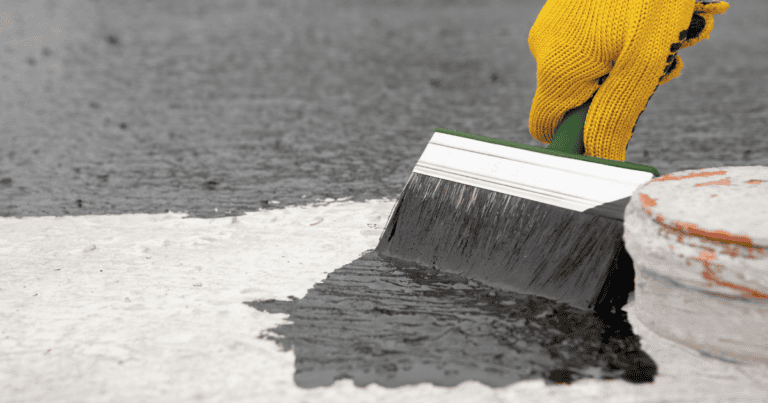
Visible water inside the property may be the final sign of a emergency leak that started earlier. Moisture can enter the roof during repeated rainfall and collect within the roof structure before any interior damage becomes obvious.
Personal safety comes first. Move people away from the wet area, check for water near electrical fittings, protect movable items where conditions are safe, and record the damage.
Water has a way of showing up some distance from the part of the roof that needs repair. It can get beneath tiles or waterproofing and follow the roof structure before dripping into the room below.
Containing that drip protects the interior, but finding the leak means checking the roof itself.
A calm response also gives a roofer valuable clues. Notes about the weather, the first visible mark, the rate of the drip, and the rooms affected can help narrow the search once a professional inspection takes place.
What to do immediately when water comes through the roof

Your response order is important. Personal safety comes before furniture, paintwork, or the roof itself. Water near electrical parts, water-loaded material above a room, fallen material, or rapid water entry can turn a repair problem into a safety risk.
- Move people away from the wet area. Children, pets, and anyone without a reason to enter the room should move elsewhere. Water on tiles or smooth floors can cause slips, which makes unnecessary foot traffic a poor idea.
- Look at what the water has reached before going near the leak. If there is a light fitting, plug or wiring in the wet area, do not touch it or try a switch to see if everything is still working. Get an electrician to check anything the water reached.
- Catch drips only where conditions are safe. Place a bucket or suitable container below a drip if you can place it while outside a risky area. Put an absorbent cloth around the container to reduce splashes across nearby surfaces.
- Look around the room and get anything vulnerable out of the water’s path. A laptop, paperwork, or rug can be damaged long before there is enough water on the floor to look serious.
- Before the wet areas dry, photograph what you can see safely. Photograph more than the drip itself. Get the ceiling, nearby walls and floor into the record, along with any damage you can see on the roof from ground level. Make a note of the date, time, and weather as well.
- Take note of the conditions when water comes through. Whether it happens in heavy rain, with wind against one side of the roof, or after a long spell of rain gives the roofer another clue when tracing the source.
- Arrange a professional roof assessment. A roof inspection needs to go further than the place where the drip appeared. The source of the leak must be found, along with any roofing or waterproofing damaged by the water. Connoisseur Roofs provides roof leak repairs throughout Pretoria, Centurion, Midrand, and nearby areas.
Take a sagging, waterlogged ceiling seriously. Do not press against it, pierce it, or stand underneath to see how bad it is. Leave the room and have it assessed before going back in.
When does a roof leak become an immediate safety risk?
A small drip still calls for repair, but certain warning signs call for a more cautious response. Water near electricity, bowed material overhead, loose roof material, or rapid water entry can make an area unsafe. Move away from the affected zone if you cannot assess it personally.
| Warning sign | Risk | What to do now | Urgency |
| Water near lights, plugs, or appliances | Electrical contact can cause serious harm | Leave the area and call an electrician | Urgent |
| Bowed, water-loaded plasterboard overhead | Saturated material can fail | Move out of the room | Urgent |
| Water spreads across several areas | Damage can extend beyond one leak point | Protect people first, then call a roofer | High |
| Roof or interior material has fallen | More material can become unstable | Close off the affected area | Urgent |
| Visible storm damage has opened the roof | More rain can enter through the damaged section | Call a roofer once conditions permit safe work | High |
This table is a safety guide, not a diagnosis. A visible symptom cannot confirm the cause or extent of roof damage. Electrical components that have had contact with water should receive professional assessment before normal operation resumes.
How to trace a roof leak without personal risk
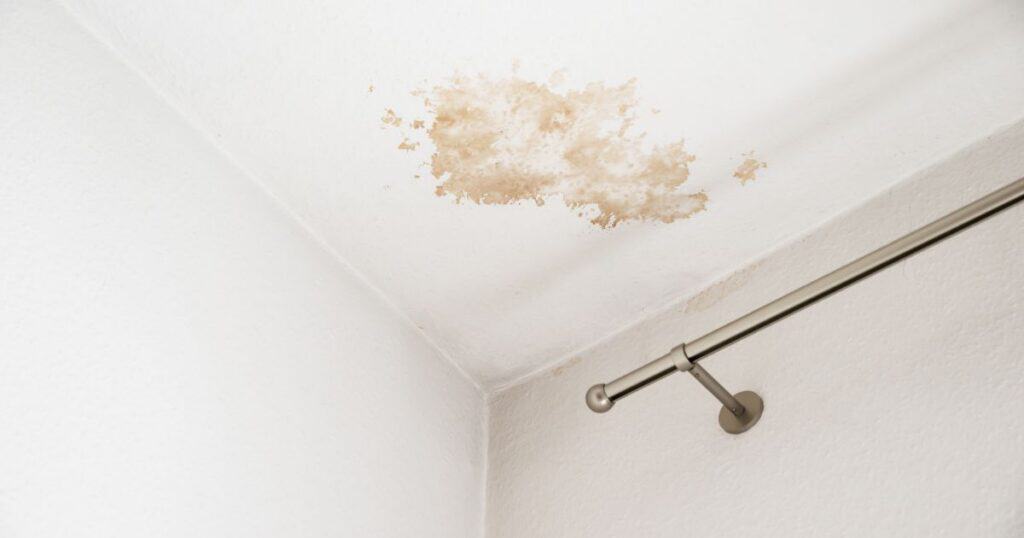
A water mark gives you somewhere to start looking, but it does not pinpoint the emergency roof problem. Rain can get in at another point and travel through the roof space before it reaches the ceiling. What you see indoors may be nowhere near the damaged section above.
From a safe position, check for:
- Damp marks or active drips indoors. Note where water first appears and whether the affected area spreads during rain.
- Wet material in the roof space. A wet roof space can make a simple inspection unsafe very quickly. Only go as far as you can safely see and stand and stay far away from wet material and exposed wiring.
- Nearby roof features. The condition of the waterproofing around roof junctions and penetrations can tell you much more than the drip inside. Valleys, parapets, and openings through the roof deserve close inspection, with gutters and downpipes checked for anything interfering with the flow of rainwater.
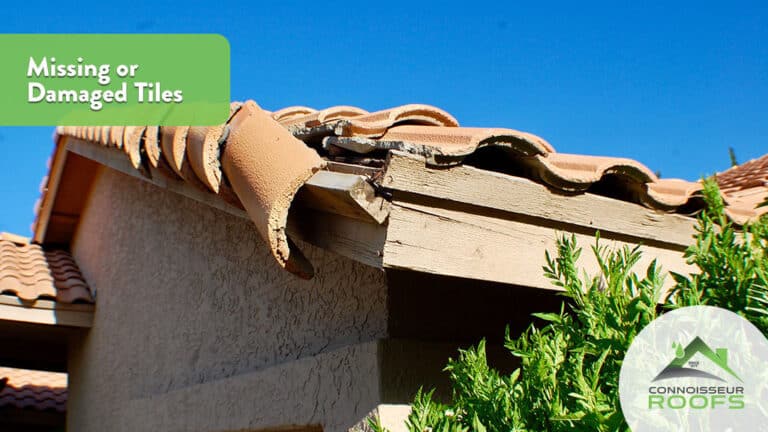
- Visible damage from ground level. Take note of anything on the roof that no longer looks as it should. A tile out of place, damage to a roof sheet or movement along the ridge can provide an early clue. Leaves and debris packed into gutters or outlets can cause problems of their own.
- Pay attention to when the leak happens. A roof that leaks in heavy rain, but not during a light shower, can point the inspection towards the gutters and drainage first, followed by the flashing, waterproofing, and nearby roof covering.
There is nothing to gain from going onto a wet roof to look for the leak. Wait until conditions are dry and the roof can be inspected safely.
A mark below a chimney does not prove that the chimney junction is the source. Wind can drive rain beneath damaged roofing higher up, after which the water can travel before it enters the room. A professional inspection is still required to confirm the defect.
Temporary ways to limit water damage before repairs
Temporary indoor measures have one purpose: reduce damage until the roof can be assessed and repaired. A bucket, absorbent cloth, or furniture move can protect part of a room for a limited period, but none of these emergency measures stops water at the roof entry point.
- Catch drips in a stable container. Place the container only where the floor and nearby area are safe.
- Save what is still dry and easy to move. Electronics, documents, and fabric items can suffer damage quickly, while smaller furniture can be moved once the immediate area is safe.
- Put an old towel around the bucket. It will catch the drops that splash out and stop water from spreading over the floor.
- Take photos of any visible damage. Record changes in the water marks, wall surface, floor, and nearby fixtures.
- Monitor the affected area from a safe position. Leave the room if water spreads or overhead material changes.
Avoid climbing onto the roof during rain, strong wind, or wet surface conditions. Do not attempt a patch from above if the route requires a ladder or roof travel. A patch in the wrong area can hide the symptoms while water continues along the same route below the roof surface.
Insurance records can also become important after serious water damage. Photos, dates, weather notes, damaged-item records, invoices, and roofer reports can help create an accurate account of what happened. Carefully read the terms of your own policy before disposal or permanent repair if a claim is likely.
What should a professional roofer check after a leak?
A roof leak repair should address the cause, not only the interior symptoms. The inspection needs to follow the route the water could have taken before it appeared indoors. Roof material and age play a part, as do earlier repairs and any damage already visible when the roofer arrives.
| Area checked | What the roofer looks for | Why it is important |
| Tiles, sheets, or roof covering | Cracks, displacement, corrosion, gaps, or local damage | Defects can allow direct water entry |
| Flashings, joints, and penetrations | Failed seals, open junctions, or damaged details | Junctions are common water-entry routes |
| Waterproof membrane or coating | Splits, worn areas, poor adhesion, or failed overlaps | Defects can let moisture pass below the surface |
| Gutters and drainage points | Blockages, overflow marks, poor falls, or damage | Water can back up or spill into vulnerable areas |
| Roof structure and interior leak area | Moisture path, damaged material, and spread | Interior clues help trace the source |
A professional assessment should also separate the immediate repair from secondary damage. The roof defect can require one repair, while wet plaster, damaged insulation, electrical components, timber, paintwork, or interior finishes can require separate attention. Repair to the visible interior mark alone leaves the source untouched.
Connoisseur Roofs works across tiled, concrete, metal, corrugated, IBR, zinc, and other roof systems in Pretoria and the greater North Gauteng area. Site inspection allows the repair method to match the roof, defect, and affected section.
Contact Connoisseur Roofs for a professional roof leak assessment in Pretoria, Centurion, or Midrand.
How to reduce the risk of future roof leaks

Repairing the leak deals with the immediate problem. Regular roof maintenance gives you a chance to find worn waterproofing, damaged tiles, or other small faults before the next spell of heavy rain turns one of them into another emergency leak.
- Check roof surfaces from ground level after severe weather. Look for visible damage or displaced roof components.
- Remove gutter blockages through a safe maintenance method. Leaves and debris can interfere with drainage and cause overflow.
- Inspect vulnerable junctions as part of planned roof maintenance. Flashings, penetrations, ridge details, and waterproofed areas can deteriorate with age.
- Act on early damp marks. A faint mark can indicate water entry before an active drip appears.
- Arrange a professional assessment after repeated leaks. Repeated water entry often points to a defect that has not been fixed at its source.
Pretoria roofs face intense sun, summer rain, temperature changes, and severe storms. A sensible maintenance plan should reflect roof material, age, drainage, past repair history, nearby trees, and previous leak areas.
A flat concrete roof can require different checks from a tiled pitched roof or a metal sheet roof.
Pay attention to gutters and drainage points before the main summer rain period. Water that cannot drain can overflow at edges, back up near junctions, or collect near vulnerable roof details.
Ground-level inspection after a storm can reveal overflow marks, debris, or sections that warrant professional assessment.
Frequently asked questions about roof leaks
Is a roof leak always an emergency?
Every roof leak calls for investigation, but the urgency depends on the risk inside the property. Water near electrical components, rapid water spread, fallen material, or water-loaded plasterboard overhead calls for immediate emergency caution. Move away from an unsafe area and contact the appropriate professional.
Can I stop a roof leak from inside the house?
Indoor measures can control part of the water and protect furniture or personal items, but those emergency measures do not repair the exterior entry point. A container below a drip or a protective cover over furniture can reduce damage while a roofer traces the water route and repairs the actual defect.
Should I climb onto the roof to find the leak?
Avoid roof travel during wet, stormy, windy, or unsafe conditions. Roof surfaces can become slippery, and an unseen defect can make foot placement hazardous. Ground-level observations, photos, and notes about the weather can give a roofer valuable information without personal roof travel.
Why does my roof only leak during heavy rain?
Heavy rain can reveal roof defects that go unnoticed during lighter rainfall. Probable causes include damaged roof coverings, vulnerable joints, flashing defects, waterproof membrane failure, or drainage problems. The rain pattern offers some context, but an inspection is required before the cause can be confirmed.
What if the roof leak is in a newly completed South African home?
If the home falls within the NHBRC warranty scheme, record the leak and notify the homebuilder in written form. Roof leaks covered by the scheme must be reported to the homebuilder within one year from the date of first occupation.
Stop a roof leak before damage spreads
A roof leak calls for a measured response. Protect people first, avoid electrical hazards, control indoor water where conditions are safe, move valuables, record the damage, and note the weather when the leak appears. Leave roof travel and permanent repair to a suitably equipped professional.
Connoisseur Roofs has repaired and waterproofed roofs since 1977 across Pretoria, Centurion, Midrand, and nearby areas. The team can trace the source, assess the affected roof section, and recommend a repair that matches the roof type and defect.
Contact Connoisseur Roofs to arrange a roof leak assessment and repair quotation.