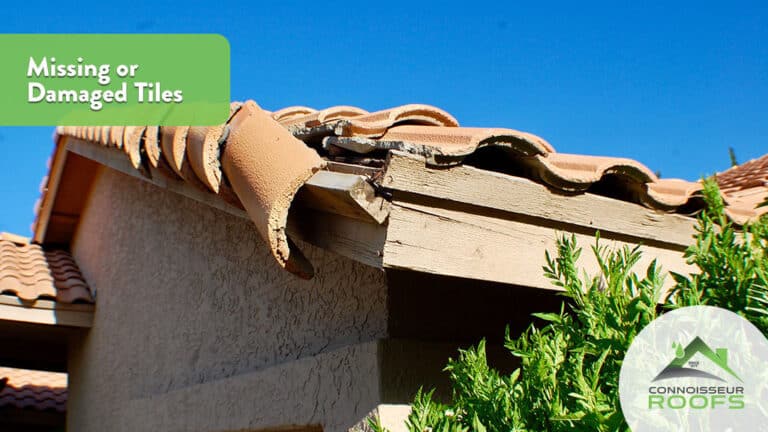
A hailstorm can be over before a homeowner has time to think about the roof. There may be leaves in the gutters, a few dents on exposed surfaces and not much else to see from the ground. That is usually why roof damage gets missed at first.
The problem is that hail damage does not always look serious right away.
Even smaller hailstones can bruise roofing materials, disturb waterproofing and leave weak points where moisture can get in later. A roof may still look fine after the storm, while the damage sits out of sight and starts shortening the roof’s lifespan.
For property owners in Pretoria and Gauteng, knowing what hail damage looks like can help stop a small storm problem from becoming an expensive roof repair later.
Key Takeaways
| What you may spot | What could be going on | Why it is worth checking |
| A cracked tile | Hail may have hit the tile hard enough to split it | Rain can work its way under the roof covering |
| Dents on flashing | The storm may have knocked the metal around edges or joins | Those areas are usually where water sneaks in |
| Rough patches on the roof surface | The top layer may have been chipped away | That section may wear out sooner |
| A new mark on the ceiling | Water may already be coming through | The leak needs to be found before more damage appears |
| Lots of tiny dents or marks | The roof may have taken hits in several places | A full roof check makes sense |
Why Hail Damage Is Often Missed

A hailstorm can come and go without leaving any obvious sign that the roof has been affected. From below, everything may appear unchanged.
What cannot always be seen are the small areas of damage left behind, which may only become apparent after repeated rain exposure. Water only needs a weak spot to get through.
How Hail Damages a Roof
The extent of damage depends on several factors:
- Hailstone size
- Wind speed
- Roof age
- Roofing material
- Existing roof condition
- Previous repairs or weathering
A newer roof may withstand a storm better than an older roof where materials have already started showing signs of wear.
Common Areas Affected by Hail
Hail frequently damages:
- Roof tiles
- Metal roofing sheets
- Flashings
- Waterproofing membranes
- Roof coatings
- Ridge capping
- Gutters and downpipes
In many cases, several roofing components are affected at the same time.
Signs Your Roof May Need Hail Damage Repairs

1. Cracked or Broken Roof Tiles
Roof tiles can handle ordinary rain, wind, and sun. Hail is different. A hard impact can chip the surface, crack a tile, or leave damage that is not easy to spot from below.
Hail impact can cause:
- Visible cracks
- Chipped edges
- Fractured corners
- Complete tile breakage
A small crack in a tile is easy to overlook. However, water can work through that opening and reach the roof layers below the tile.
2. New Leaks After a Storm
A leak soon after a hailstorm is one of the easiest warning signs to connect back to the roof.
You may notice:
- Ceiling stains
- Damp patches
- Dripping water
- Discoloured ceilings
- Moisture around roof penetrations
A ceiling stain does not always sit directly below the source of the leak. Water may travel through roof cavities for some distance before becoming visible indoors.
3. Damage to Flashings and Waterproofing
Flashings help protect vulnerable roof areas around:
- Chimneys
- Roof valleys
- Skylights
- Vent pipes
- Roof junctions
Hail impact can loosen, dent, or damage these components.
Once waterproofing details are compromised, moisture can begin entering areas that were previously protected.
4. Dents on Metal Roofing Components
Dents are usually the clearest sign of hail damage on metal roofing.
Affected areas may include:
- Roof sheeting
- Flashings
- Gutters
- Downpipes
One dent may not cause a leak on the spot. Repeated impact is the real concern, because protective coatings can wear down and leave the metal more open to weather damage.
5. Granule Loss and Surface Deterioration
Some roofing materials need a coated surface to help protect against sun, rain, and general weather exposure.
Hail impact can remove or damage these protective surfaces.
Over time, this may result in:
- Faster UV deterioration
- Reduced weather resistance
- Premature aging
- Shortened roof lifespan
The roof may continue functioning for a period, but the long-term performance of the system can be affected.
Cosmetic Damage vs Functional Roof Damage
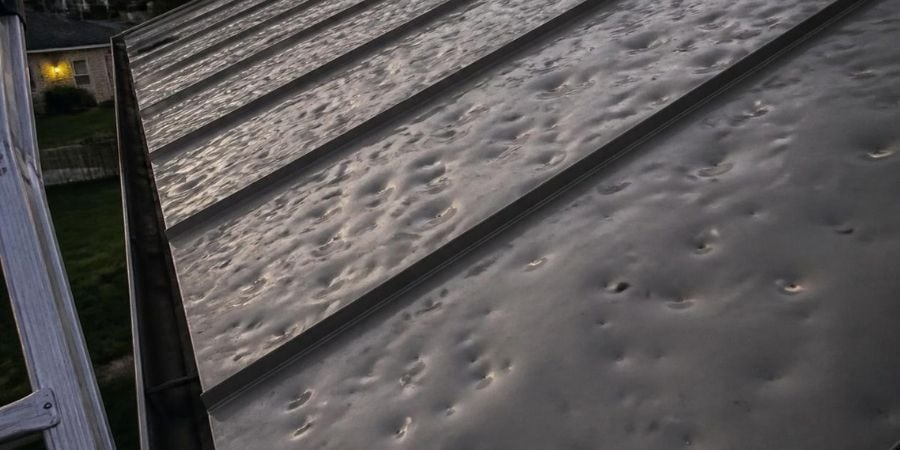
One of the first questions after hail is whether repair work is really needed. The answer depends on the type of damage, because not every mark on a roof affects performance.
Cosmetic Damage
Cosmetic damage may include:
- Minor dents on gutters
- Surface marks on metal roofing
- Small visual imperfections
- Minor discolouration
These issues affect appearance more than functionality.
Functional Damage
Functional damage affects the roof’s ability to keep water out.
Examples include:
- Cracked tiles
- Broken flashing details
- Damaged waterproofing systems
- Open joints
- Active leaks
- Structural movement caused by impact
A professional should usually check these issues, especially where water damage may get worse over time.
Why Delaying Roof Repairs Can Become Expensive
Hail damage is easy to underestimate after the storm has passed. Even small impact points can develop into wider roof problems when exposed to:
- Pretoria’s intense UV exposure
- Seasonal rainfall
- Daily temperature changes
- Intense winds
What begins as a small crack may eventually lead to:
| Potential Problem | Possible Consequence |
| Water penetration | Damage to ceilings and walls |
| Trapped moisture | Mould growth |
| Damaged insulation | Reduced energy efficiency |
| Structural deterioration | More extensive repairs |
| Repeat leaks | Extra maintenance costs |
When the problem is addressed early, there is less chance of further damage developing in other areas of the property.
What Happens During a Professional Hail Damage Inspection?

A roof inspection takes the guesswork out of what is visible. It shows whether the issue is only on the surface or whether repairs are needed underneath.
An inspection typically includes:
- Roof tile assessment
- Flashing inspection
- Waterproofing evaluation
- Gutter and drainage inspection
- Leak detection
- Structural condition assessment
The goal is to identify hidden problems before they become visible inside the property.
Roofing Insight
Storm damage does not always leave a visible trace. Some of the most serious issues form underneath the surface, where waterproofing and flashing have been affected long before anything becomes obvious outside.
When Should You Arrange Roof Repairs?
Professional roof repairs tend to be needed in situations where:
- Tiles are cracked or broken
- Leaks develop after a storm
- Waterproofing systems have been damaged
- Flashings are compromised
- Multiple impact points are visible
- Water stains appear indoors
The right repair solution depends on the roof condition and the extent of the storm damage.
A roof can be sorted with a local repair in some cases, while other situations call for wider maintenance or fresh waterproofing to restore proper protection.
Frequently Asked Questions
Can small hailstones damage a roof?
Yes. Small hailstones can still leave damage behind. It often shows up later as little marks on the surface or spots where water starts finding its way in after the storm has passed.
How soon should a roof be inspected after a hailstorm?
After the hailstorm, not weeks later. By then, whatever started small has usually had time to turn into a leak.
Will hail damage always cause immediate leaks?
No. Some roofs continue performing for months before damage becomes noticeable. The problem may already be developing beneath the surface.
Can hail shorten the lifespan of a roof?
Yes. Hail contributes to long-term roof wear. The repeated strikes reduce protection in small ways, and that breakdown builds up over time, affecting the overall lifespan.
Conclusion
Not all hail damage ends up scattered across the garden. Some of it stays on the roof, hidden in cracked surfaces, damaged flashings, and worn waterproofing. The trouble is that those faults may only become obvious weeks or months later.
Having the roof inspected after a significant hailstorm can reveal problems before water starts finding a way inside.
Request a Free Roof Inspection
The effects of a hailstorm are not always obvious from the driveway. Connoisseur Roofs has spent decades working on Pretoria roofs, providing repairs, waterproofing and maintenance services since the family business opened in 1977.
Request a free quote or book a roof inspection today.