You are currently viewing Acrylic vs Bitumen Waterproofing for Pretoria Roofs
Elegant white house featuring a black tiled roof and a spacious balcony, showcasing Connoisseur Roofs' roofing expertise since 1977.

Acrylic vs Bitumen Waterproofing for Pretoria Roofs

Pretoria’s climate is not always kind to roofs and outside surfaces. Long periods of sun mixed with storms and changing temperatures can wear materials down over time. As surfaces heat up and cool down repeatedly, minor changes begin happening that can lead to damage later.

Many residential and commercial properties deal with this by using acrylic or bitumen waterproofing systems. Acrylic products are commonly used where the goal is to restore and protect what is already there instead of using a heavier system.

For many buildings in Pretoria:

  • Acrylic systems are often used for roof maintenance and reflective coatings where there is also a need for waterproofing.
  • Bitumen is usually a better fit for flat commercial roofing where preventing water damage years down the line carries more importance.

Before settling on an option, it helps to look at the roof. How rainwater drains, what can comfortably be spent, and what the system needs to do over the years all feed into the choice.

Quick Comparison Between Systems

Waterproofing Factor Acrylic Waterproofing Bitumen Waterproofing
Application Type Liquid coating Membrane system
UV Resistance Excellent Good
Flexibility High Moderate
Durability Medium High
Lifespan 5–10 years 15–25 years
Best For Maintenance waterproofing Long-term flat roof protection
Ponding Water Resistance Moderate Excellent

What Is Acrylic Waterproofing?
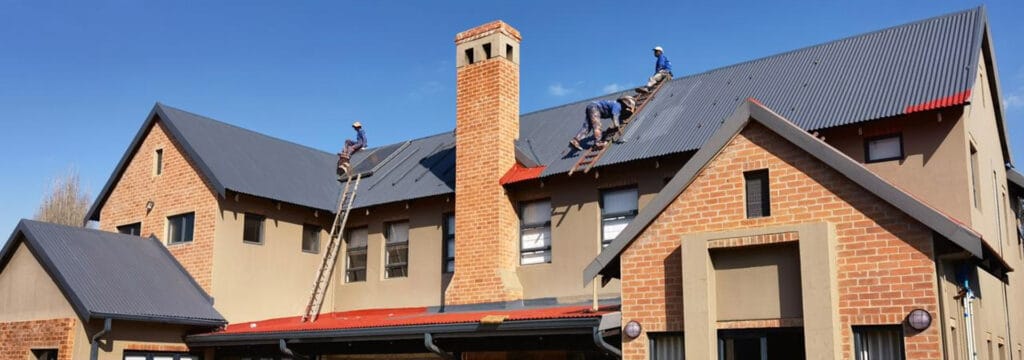
 

Roof Waterproofing

A roof is not a fixed surface. It expands in the heat and contracts when the temperature falls. Rain and sunlight add more wear to that movement.

Acrylic waterproofing is useful because it dries into a waterproof layer that has enough flexibility to accommodate that movement.

Acrylic systems are commonly used on:

  • Concrete roofs
  • Tiled roofs
  • Maintenance waterproofing projects
  • Residential roofs
  • Light commercial roofing systems

How Does Acrylic Waterproofing Work?

Acrylic coatings:

  1. Grip the surface securely after application.
  2. Leave behind a waterproof covering without visible joins.
  3. Reduce the impact of direct UV exposure on the roof material.
  4. Lower the chance of moisture making its way beneath the surface.

Acrylic systems are not completely rigid, which means that slight changes in the roof structure are less of a concern.

Benefits of Acrylic Waterproofing

  • Helps reduce sun and UV exposure
  • Flexible membrane structure
  • More budget-friendly for maintenance work
  • Quick and simple to apply
  • Seam-free waterproof finish

Acrylic Waterproofing Overview

Feature Acrylic Waterproofing
Material Type Liquid elastomeric coating
Application Roller or spray
UV Resistance Excellent
Flexibility High
Typical Lifespan 5–10 years
Best Use Maintenance waterproofing

Expert Insight

Acrylic coatings are not there to compensate for drainage problems or structural damage. They are more suitable on roofs where the base is still in good condition and water can flow away without collecting.

Acrylic waterproofing is a water-based coating containing acrylic. It is applied wet and then dries on the roof. When it dries, a flexible skin forms on the surface.

Yes.  Surfaces should drain well. If water constantly collects in one spot, it can diminish the life of the waterproofing.

Getting the Right Person for the Waterproofing Job

People spend a lot of time comparing products, but the work itself matters just as much. A good waterproofing system can still turn into a problem if it is installed badly from the start.

Things To Consider Before Hiring a Contractor

Waterproofing Experience

Choose contractors experienced with:

  • Acrylic systems
  • Torch-on membranes
  • Flat roofs
  • Commercial waterproofing

Proper Roof Inspection

Professional contractors assess:

  • Drainage
  • Substrate condition
  • Structural movement
  • Membrane deterioration

Clear Warranty Coverage

Warranty terms should extend beyond materials alone. Including workmanship cover can provide additional protection once the work has been completed.

Waterproofing Solutions Based on Roof Condition

A roof with ageing surfaces, existing damage, or visible wear may require a different approach from one in better condition. Recommendations should reflect those differences.

Reliable waterproofing work starts with understanding the roof properly. Detailed inspections, suitable system recommendations, and experience with acrylic and bitumen waterproofing methods all play a part.

Contractor Checklist

  • Inspect roof thoroughly
  • Assess drainage systems
  • Recommend appropriate waterproofing type
  • Provide maintenance guidance
  • Offer warranty documentation
  • Explain expected lifespan

Expert Insight

A poor waterproofing installation can fail within a few years regardless of how advanced the material system is.

Do not start with the leak itself. Work on the reason behind the problem. Water damage is not always clear, and the source may be somewhere else entirely. Also ask how long the waterproofing will take.

You should. Most professional companies provide cover on the materials and the installation work but always ask what the warranty includes.

Conclusion

Pretoria roofs do not all face the same kind of wear. Some have minor issues from age and sun exposure. Others struggle because water sits where it should not.

Acrylic coatings are usually used where drainage is not causing trouble, and the roof needs another protective layer.

Bitumen is more commonly chosen for flatter commercial roofs where water can gather and create pressure over time. Picking the better option starts with the roof itself, not with the material.


Give us a call today for a free estimate or to schedule your next roof repair!

Call Connoisseur Roofs Today at:
083 666 1394
083 666 1392
082 322 5075
E-mail: conroofs@webmail.co.za

Yes.  Surfaces should drain well. If water constantly collects in one spot, it can diminish the life of the waterproofing.

Getting the Right Person for the Waterproofing Job

People spend a lot of time comparing products, but the work itself matters just as much. A good waterproofing system can still turn into a problem if it is installed badly from the start.

Things To Consider Before Hiring a Contractor

Waterproofing Experience

Choose contractors experienced with:

  • Acrylic systems
  • Torch-on membranes
  • Flat roofs
  • Commercial waterproofing

Proper Roof Inspection

Professional contractors assess:

  • Drainage
  • Substrate condition
  • Structural movement
  • Membrane deterioration

Clear Warranty Coverage

Warranty terms should extend beyond materials alone. Including workmanship cover can provide additional protection once the work has been completed.

Waterproofing Solutions Based on Roof Condition

A roof with ageing surfaces, existing damage, or visible wear may require a different approach from one in better condition. Recommendations should reflect those differences.

Reliable waterproofing work starts with understanding the roof properly. Detailed inspections, suitable system recommendations, and experience with acrylic and bitumen waterproofing methods all play a part.

Contractor Checklist

  • Inspect roof thoroughly
  • Assess drainage systems
  • Recommend appropriate waterproofing type
  • Provide maintenance guidance
  • Offer warranty documentation
  • Explain expected lifespan

Expert Insight

A poor waterproofing installation can fail within a few years regardless of how advanced the material system is.

Do not start with the leak itself. Work on the reason behind the problem. Water damage is not always clear, and the source may be somewhere else entirely. Also ask how long the waterproofing will take.

You should. Most professional companies provide cover on the materials and the installation work but always ask what the warranty includes.

Conclusion

Pretoria roofs do not all face the same kind of wear. Some have minor issues from age and sun exposure. Others struggle because water sits where it should not.

Acrylic coatings are usually used where drainage is not causing trouble, and the roof needs another protective layer.

Bitumen is more commonly chosen for flatter commercial roofs where water can gather and create pressure over time. Picking the better option starts with the roof itself, not with the material.


Give us a call today for a free estimate or to schedule your next roof repair!

Call Connoisseur Roofs Today at:
083 666 1394
083 666 1392
082 322 5075
E-mail: conroofs@webmail.co.za

Yes.  Surfaces should drain well. If water constantly collects in one spot, it can diminish the life of the waterproofing.
Getting the Right Person for the Waterproofing Job

People spend a lot of time comparing products, but the work itself matters just as much. A good waterproofing system can still turn into a problem if it is installed badly from the start.

Things To Consider Before Hiring a Contractor

Waterproofing Experience

Choose contractors experienced with:

  • Acrylic systems
  • Torch-on membranes
  • Flat roofs
  • Commercial waterproofing

Proper Roof Inspection

Professional contractors assess:

  • Drainage
  • Substrate condition
  • Structural movement
  • Membrane deterioration

Clear Warranty Coverage

Warranty terms should extend beyond materials alone. Including workmanship cover can provide additional protection once the work has been completed.

Waterproofing Solutions Based on Roof Condition

A roof with ageing surfaces, existing damage, or visible wear may require a different approach from one in better condition. Recommendations should reflect those differences.

Reliable waterproofing work starts with understanding the roof properly. Detailed inspections, suitable system recommendations, and experience with acrylic and bitumen waterproofing methods all play a part.

Contractor Checklist

  • Inspect roof thoroughly
  • Assess drainage systems
  • Recommend appropriate waterproofing type
  • Provide maintenance guidance
  • Offer warranty documentation
  • Explain expected lifespan

Expert Insight

A poor waterproofing installation can fail within a few years regardless of how advanced the material system is.

Do not start with the leak itself. Work on the reason behind the problem. Water damage is not always clear, and the source may be somewhere else entirely. Also ask how long the waterproofing will take.

You should. Most professional companies provide cover on the materials and the installation work but always ask what the warranty includes.

Conclusion

Pretoria roofs do not all face the same kind of wear. Some have minor issues from age and sun exposure. Others struggle because water sits where it should not.

Acrylic coatings are usually used where drainage is not causing trouble, and the roof needs another protective layer.

Bitumen is more commonly chosen for flatter commercial roofs where water can gather and create pressure over time. Picking the better option starts with the roof itself, not with the material.


Give us a call today for a free estimate or to schedule your next roof repair!

Call Connoisseur Roofs Today at:
083 666 1394
083 666 1392
082 322 5075
E-mail: conroofs@webmail.co.za

Bitumen waterproofing often delivers better long-term ROI for commercial flat roofs.

Common Waterproofing Mistakes to Avoid

Roof Waterproofing Harties

Waterproofing failures do not always happen because of poor materials. In many situations, the problem starts with decisions made during installation.

Waterproofing Errors That Shorten Roof Lifespan

Applying Materials to a Poor Surface

Before waterproofing begins, the surface needs attention. Dirt, loose particles, and unstable sections reduce how well membranes bond and perform.

Overlooking Water Drainage Issues

Water that remains trapped on a roof creates conditions that no waterproofing system handles well over extended periods. Proper drainage is an essential part.

Picking a System Without Considering Roof Damage

Applying a coating intended for lighter wear onto a heavily damaged roof can create problems long before expected.

Ignoring Early Signs of Damage

Small waterproofing faults can become expensive surprises. Exposure to Pretoria’s weather can worsen existing damage and allow problems to spread much faster.

Waterproofing issues are typically the result of small mistakes made early in the process. Poor preparation works, unresolved drainage problems, choosing the wrong waterproofing solution, and not conducting regular inspections might lead to damage down the line.

What Are the Risks Associated with Waterproofing Failure

Mistake Result
Poor adhesion Membrane lifting
Ignoring ponding Accelerated deterioration
Incorrect product choice Early failure
Lack of maintenance Leak recurrence

Many problems come down to the details. A small installation mistake, poor drainage, extended time exposed to direct sunlight, or using materials that are not suited to the job can all create issues eventually.

Yes.  Surfaces should drain well. If water constantly collects in one spot, it can diminish the life of the waterproofing.

Getting the Right Person for the Waterproofing Job

People spend a lot of time comparing products, but the work itself matters just as much. A good waterproofing system can still turn into a problem if it is installed badly from the start.

Things To Consider Before Hiring a Contractor

Waterproofing Experience

Choose contractors experienced with:

  • Acrylic systems
  • Torch-on membranes
  • Flat roofs
  • Commercial waterproofing

Proper Roof Inspection

Professional contractors assess:

  • Drainage
  • Substrate condition
  • Structural movement
  • Membrane deterioration

Clear Warranty Coverage

Warranty terms should extend beyond materials alone. Including workmanship cover can provide additional protection once the work has been completed.

Waterproofing Solutions Based on Roof Condition

A roof with ageing surfaces, existing damage, or visible wear may require a different approach from one in better condition. Recommendations should reflect those differences.

Reliable waterproofing work starts with understanding the roof properly. Detailed inspections, suitable system recommendations, and experience with acrylic and bitumen waterproofing methods all play a part.

Contractor Checklist

  • Inspect roof thoroughly
  • Assess drainage systems
  • Recommend appropriate waterproofing type
  • Provide maintenance guidance
  • Offer warranty documentation
  • Explain expected lifespan

Expert Insight

A poor waterproofing installation can fail within a few years regardless of how advanced the material system is.

Do not start with the leak itself. Work on the reason behind the problem. Water damage is not always clear, and the source may be somewhere else entirely. Also ask how long the waterproofing will take.

You should. Most professional companies provide cover on the materials and the installation work but always ask what the warranty includes.

Conclusion

Pretoria roofs do not all face the same kind of wear. Some have minor issues from age and sun exposure. Others struggle because water sits where it should not.

Acrylic coatings are usually used where drainage is not causing trouble, and the roof needs another protective layer.

Bitumen is more commonly chosen for flatter commercial roofs where water can gather and create pressure over time. Picking the better option starts with the roof itself, not with the material.


Give us a call today for a free estimate or to schedule your next roof repair!

Call Connoisseur Roofs Today at:
083 666 1394
083 666 1392
082 322 5075
E-mail: conroofs@webmail.co.za

Bitumen systems generally require less maintenance over time than acrylic coatings.

Acrylic vs Bitumen Waterproofing Cost Comparison

Looking at waterproofing costs through the lens of installation alone can give a misleading picture. The better question is what the system will cost over many years, not on day one.

Acrylic waterproofing may come with a lower starting price, though bitumen usually earns its value over time through stronger durability and fewer maintenance expenses throughout the roof’s life.

Comparing Waterproofing Costs (Acrylic vs Bitumen)

Cost Factor Acrylic Bitumen
Initial Installation Lower Higher
Maintenance Frequency Higher Lower
Lifespan Shorter Longer
Long-Term Value Moderate High

ROI Comparison

Waterproofing Type 10-Year Cost Trend
Acrylic coating Ongoing maintenance costs
Bitumen membrane Lower long-term maintenance

Commercial Insight

Repeated low-cost acrylic maintenance applications may eventually exceed the cost of a properly installed bitumen membrane system.

Yes. Acrylic waterproofing usually has a lower upfront installation cost.

Bitumen waterproofing often delivers better long-term ROI for commercial flat roofs.

Common Waterproofing Mistakes to Avoid

Roof Waterproofing Harties

Waterproofing failures do not always happen because of poor materials. In many situations, the problem starts with decisions made during installation.

Waterproofing Errors That Shorten Roof Lifespan

Applying Materials to a Poor Surface

Before waterproofing begins, the surface needs attention. Dirt, loose particles, and unstable sections reduce how well membranes bond and perform.

Overlooking Water Drainage Issues

Water that remains trapped on a roof creates conditions that no waterproofing system handles well over extended periods. Proper drainage is an essential part.

Picking a System Without Considering Roof Damage

Applying a coating intended for lighter wear onto a heavily damaged roof can create problems long before expected.

Ignoring Early Signs of Damage

Small waterproofing faults can become expensive surprises. Exposure to Pretoria’s weather can worsen existing damage and allow problems to spread much faster.

Waterproofing issues are typically the result of small mistakes made early in the process. Poor preparation works, unresolved drainage problems, choosing the wrong waterproofing solution, and not conducting regular inspections might lead to damage down the line.

What Are the Risks Associated with Waterproofing Failure

Mistake Result
Poor adhesion Membrane lifting
Ignoring ponding Accelerated deterioration
Incorrect product choice Early failure
Lack of maintenance Leak recurrence

Many problems come down to the details. A small installation mistake, poor drainage, extended time exposed to direct sunlight, or using materials that are not suited to the job can all create issues eventually.

Yes.  Surfaces should drain well. If water constantly collects in one spot, it can diminish the life of the waterproofing.

Getting the Right Person for the Waterproofing Job

People spend a lot of time comparing products, but the work itself matters just as much. A good waterproofing system can still turn into a problem if it is installed badly from the start.

Things To Consider Before Hiring a Contractor

Waterproofing Experience

Choose contractors experienced with:

  • Acrylic systems
  • Torch-on membranes
  • Flat roofs
  • Commercial waterproofing

Proper Roof Inspection

Professional contractors assess:

  • Drainage
  • Substrate condition
  • Structural movement
  • Membrane deterioration

Clear Warranty Coverage

Warranty terms should extend beyond materials alone. Including workmanship cover can provide additional protection once the work has been completed.

Waterproofing Solutions Based on Roof Condition

A roof with ageing surfaces, existing damage, or visible wear may require a different approach from one in better condition. Recommendations should reflect those differences.

Reliable waterproofing work starts with understanding the roof properly. Detailed inspections, suitable system recommendations, and experience with acrylic and bitumen waterproofing methods all play a part.

Contractor Checklist

  • Inspect roof thoroughly
  • Assess drainage systems
  • Recommend appropriate waterproofing type
  • Provide maintenance guidance
  • Offer warranty documentation
  • Explain expected lifespan

Expert Insight

A poor waterproofing installation can fail within a few years regardless of how advanced the material system is.

Do not start with the leak itself. Work on the reason behind the problem. Water damage is not always clear, and the source may be somewhere else entirely. Also ask how long the waterproofing will take.

You should. Most professional companies provide cover on the materials and the installation work but always ask what the warranty includes.

Conclusion

Pretoria roofs do not all face the same kind of wear. Some have minor issues from age and sun exposure. Others struggle because water sits where it should not.

Acrylic coatings are usually used where drainage is not causing trouble, and the roof needs another protective layer.

Bitumen is more commonly chosen for flatter commercial roofs where water can gather and create pressure over time. Picking the better option starts with the roof itself, not with the material.


Give us a call today for a free estimate or to schedule your next roof repair!

Call Connoisseur Roofs Today at:
083 666 1394
083 666 1392
082 322 5075
E-mail: conroofs@webmail.co.za

Bitumen systems generally require less maintenance over time than acrylic coatings.

Acrylic vs Bitumen Waterproofing Cost Comparison

Looking at waterproofing costs through the lens of installation alone can give a misleading picture. The better question is what the system will cost over many years, not on day one.

Acrylic waterproofing may come with a lower starting price, though bitumen usually earns its value over time through stronger durability and fewer maintenance expenses throughout the roof’s life.

Comparing Waterproofing Costs (Acrylic vs Bitumen)

Cost Factor Acrylic Bitumen
Initial Installation Lower Higher
Maintenance Frequency Higher Lower
Lifespan Shorter Longer
Long-Term Value Moderate High

ROI Comparison

Waterproofing Type 10-Year Cost Trend
Acrylic coating Ongoing maintenance costs
Bitumen membrane Lower long-term maintenance

Commercial Insight

Repeated low-cost acrylic maintenance applications may eventually exceed the cost of a properly installed bitumen membrane system.

Yes. Acrylic waterproofing usually has a lower upfront installation cost.

Bitumen waterproofing often delivers better long-term ROI for commercial flat roofs.

Common Waterproofing Mistakes to Avoid

Roof Waterproofing Harties

Waterproofing failures do not always happen because of poor materials. In many situations, the problem starts with decisions made during installation.

Waterproofing Errors That Shorten Roof Lifespan

Applying Materials to a Poor Surface

Before waterproofing begins, the surface needs attention. Dirt, loose particles, and unstable sections reduce how well membranes bond and perform.

Overlooking Water Drainage Issues

Water that remains trapped on a roof creates conditions that no waterproofing system handles well over extended periods. Proper drainage is an essential part.

Picking a System Without Considering Roof Damage

Applying a coating intended for lighter wear onto a heavily damaged roof can create problems long before expected.

Ignoring Early Signs of Damage

Small waterproofing faults can become expensive surprises. Exposure to Pretoria’s weather can worsen existing damage and allow problems to spread much faster.

Waterproofing issues are typically the result of small mistakes made early in the process. Poor preparation works, unresolved drainage problems, choosing the wrong waterproofing solution, and not conducting regular inspections might lead to damage down the line.

What Are the Risks Associated with Waterproofing Failure

Mistake Result
Poor adhesion Membrane lifting
Ignoring ponding Accelerated deterioration
Incorrect product choice Early failure
Lack of maintenance Leak recurrence

Many problems come down to the details. A small installation mistake, poor drainage, extended time exposed to direct sunlight, or using materials that are not suited to the job can all create issues eventually.

Yes.  Surfaces should drain well. If water constantly collects in one spot, it can diminish the life of the waterproofing.

Getting the Right Person for the Waterproofing Job

People spend a lot of time comparing products, but the work itself matters just as much. A good waterproofing system can still turn into a problem if it is installed badly from the start.

Things To Consider Before Hiring a Contractor

Waterproofing Experience

Choose contractors experienced with:

  • Acrylic systems
  • Torch-on membranes
  • Flat roofs
  • Commercial waterproofing

Proper Roof Inspection

Professional contractors assess:

  • Drainage
  • Substrate condition
  • Structural movement
  • Membrane deterioration

Clear Warranty Coverage

Warranty terms should extend beyond materials alone. Including workmanship cover can provide additional protection once the work has been completed.

Waterproofing Solutions Based on Roof Condition

A roof with ageing surfaces, existing damage, or visible wear may require a different approach from one in better condition. Recommendations should reflect those differences.

Reliable waterproofing work starts with understanding the roof properly. Detailed inspections, suitable system recommendations, and experience with acrylic and bitumen waterproofing methods all play a part.

Contractor Checklist

  • Inspect roof thoroughly
  • Assess drainage systems
  • Recommend appropriate waterproofing type
  • Provide maintenance guidance
  • Offer warranty documentation
  • Explain expected lifespan

Expert Insight

A poor waterproofing installation can fail within a few years regardless of how advanced the material system is.

Do not start with the leak itself. Work on the reason behind the problem. Water damage is not always clear, and the source may be somewhere else entirely. Also ask how long the waterproofing will take.

You should. Most professional companies provide cover on the materials and the installation work but always ask what the warranty includes.

Conclusion

Pretoria roofs do not all face the same kind of wear. Some have minor issues from age and sun exposure. Others struggle because water sits where it should not.

Acrylic coatings are usually used where drainage is not causing trouble, and the roof needs another protective layer.

Bitumen is more commonly chosen for flatter commercial roofs where water can gather and create pressure over time. Picking the better option starts with the roof itself, not with the material.


Give us a call today for a free estimate or to schedule your next roof repair!

Call Connoisseur Roofs Today at:
083 666 1394
083 666 1392
082 322 5075
E-mail: conroofs@webmail.co.za

Bitumen systems generally require less maintenance over time than acrylic coatings.

Acrylic vs Bitumen Waterproofing Cost Comparison

Looking at waterproofing costs through the lens of installation alone can give a misleading picture. The better question is what the system will cost over many years, not on day one.

Acrylic waterproofing may come with a lower starting price, though bitumen usually earns its value over time through stronger durability and fewer maintenance expenses throughout the roof’s life.

Comparing Waterproofing Costs (Acrylic vs Bitumen)

Cost Factor Acrylic Bitumen
Initial Installation Lower Higher
Maintenance Frequency Higher Lower
Lifespan Shorter Longer
Long-Term Value Moderate High

ROI Comparison

Waterproofing Type 10-Year Cost Trend
Acrylic coating Ongoing maintenance costs
Bitumen membrane Lower long-term maintenance

Commercial Insight

Repeated low-cost acrylic maintenance applications may eventually exceed the cost of a properly installed bitumen membrane system.

Yes. Acrylic waterproofing usually has a lower upfront installation cost.

Bitumen waterproofing often delivers better long-term ROI for commercial flat roofs.

Common Waterproofing Mistakes to Avoid

Roof Waterproofing Harties

Waterproofing failures do not always happen because of poor materials. In many situations, the problem starts with decisions made during installation.

Waterproofing Errors That Shorten Roof Lifespan

Applying Materials to a Poor Surface

Before waterproofing begins, the surface needs attention. Dirt, loose particles, and unstable sections reduce how well membranes bond and perform.

Overlooking Water Drainage Issues

Water that remains trapped on a roof creates conditions that no waterproofing system handles well over extended periods. Proper drainage is an essential part.

Picking a System Without Considering Roof Damage

Applying a coating intended for lighter wear onto a heavily damaged roof can create problems long before expected.

Ignoring Early Signs of Damage

Small waterproofing faults can become expensive surprises. Exposure to Pretoria’s weather can worsen existing damage and allow problems to spread much faster.

Waterproofing issues are typically the result of small mistakes made early in the process. Poor preparation works, unresolved drainage problems, choosing the wrong waterproofing solution, and not conducting regular inspections might lead to damage down the line.

What Are the Risks Associated with Waterproofing Failure

Mistake Result
Poor adhesion Membrane lifting
Ignoring ponding Accelerated deterioration
Incorrect product choice Early failure
Lack of maintenance Leak recurrence

Many problems come down to the details. A small installation mistake, poor drainage, extended time exposed to direct sunlight, or using materials that are not suited to the job can all create issues eventually.

Yes.  Surfaces should drain well. If water constantly collects in one spot, it can diminish the life of the waterproofing.

Getting the Right Person for the Waterproofing Job

People spend a lot of time comparing products, but the work itself matters just as much. A good waterproofing system can still turn into a problem if it is installed badly from the start.

Things To Consider Before Hiring a Contractor

Waterproofing Experience

Choose contractors experienced with:

  • Acrylic systems
  • Torch-on membranes
  • Flat roofs
  • Commercial waterproofing

Proper Roof Inspection

Professional contractors assess:

  • Drainage
  • Substrate condition
  • Structural movement
  • Membrane deterioration

Clear Warranty Coverage

Warranty terms should extend beyond materials alone. Including workmanship cover can provide additional protection once the work has been completed.

Waterproofing Solutions Based on Roof Condition

A roof with ageing surfaces, existing damage, or visible wear may require a different approach from one in better condition. Recommendations should reflect those differences.

Reliable waterproofing work starts with understanding the roof properly. Detailed inspections, suitable system recommendations, and experience with acrylic and bitumen waterproofing methods all play a part.

Contractor Checklist

  • Inspect roof thoroughly
  • Assess drainage systems
  • Recommend appropriate waterproofing type
  • Provide maintenance guidance
  • Offer warranty documentation
  • Explain expected lifespan

Expert Insight

A poor waterproofing installation can fail within a few years regardless of how advanced the material system is.

Do not start with the leak itself. Work on the reason behind the problem. Water damage is not always clear, and the source may be somewhere else entirely. Also ask how long the waterproofing will take.

You should. Most professional companies provide cover on the materials and the installation work but always ask what the warranty includes.

Conclusion

Pretoria roofs do not all face the same kind of wear. Some have minor issues from age and sun exposure. Others struggle because water sits where it should not.

Acrylic coatings are usually used where drainage is not causing trouble, and the roof needs another protective layer.

Bitumen is more commonly chosen for flatter commercial roofs where water can gather and create pressure over time. Picking the better option starts with the roof itself, not with the material.


Give us a call today for a free estimate or to schedule your next roof repair!

Call Connoisseur Roofs Today at:
083 666 1394
083 666 1392
082 322 5075
E-mail: conroofs@webmail.co.za

Yes. It performs well where water remains on the roof for longer periods.

Which Waterproofing System Is Better for Pretoria Roofs?

Roof Waterproofing

Pretoria roofs experience:

  • Intense UV radiation
  • Heavy summer storms
  • Thermal expansion
  • Seasonal moisture exposure

The best waterproofing system depends heavily on roof condition and building type.

For homes in Pretoria, acrylic is usually the better match, especially where a reflective roof coating is needed. On commercial flat roofs, bitumen makes more sense, particularly when water sits on the surface and the weather is unforgiving.

Best Use Cases for Acrylic Waterproofing

Acrylic systems are ideal for:

  • Tiled roofs
  • Residential roofs
  • Maintenance waterproofing
  • UV-reflective coatings
  • Roofs with decent drainage

Best Use Cases for Bitumen Waterproofing

Bitumen systems are ideal for:

  • Flat commercial roofs
  • Apartment complexes
  • Aging roofs
  • Roofs with ponding water
  • Kong-term waterproofing protection

Pretoria Roof Recommendations

Roof Condition Recommended Waterproofing
Residential tiled roof Acrylic
Large commercial flat roof Bitumen
Reflective heat reduction needed Acrylic
Severe ponding water Bitumen
Aging deteriorated roof Bitumen
Maintenance re-coating Acrylic

Decision Matrix

Priority Best Option
Lowest upfront cost Acrylic
Longest lifespan Bitumen
Best UV reflection Acrylic
Best durability Bitumen
Best for ponding water Bitumen

Bitumen waterproofing is usually better for commercial flat roofs requiring long-term durability.

Bitumen systems generally require less maintenance over time than acrylic coatings.

Acrylic vs Bitumen Waterproofing Cost Comparison

Looking at waterproofing costs through the lens of installation alone can give a misleading picture. The better question is what the system will cost over many years, not on day one.

Acrylic waterproofing may come with a lower starting price, though bitumen usually earns its value over time through stronger durability and fewer maintenance expenses throughout the roof’s life.

Comparing Waterproofing Costs (Acrylic vs Bitumen)

Cost Factor Acrylic Bitumen
Initial Installation Lower Higher
Maintenance Frequency Higher Lower
Lifespan Shorter Longer
Long-Term Value Moderate High

ROI Comparison

Waterproofing Type 10-Year Cost Trend
Acrylic coating Ongoing maintenance costs
Bitumen membrane Lower long-term maintenance

Commercial Insight

Repeated low-cost acrylic maintenance applications may eventually exceed the cost of a properly installed bitumen membrane system.

Yes. Acrylic waterproofing usually has a lower upfront installation cost.

Bitumen waterproofing often delivers better long-term ROI for commercial flat roofs.

Common Waterproofing Mistakes to Avoid

Roof Waterproofing Harties

Waterproofing failures do not always happen because of poor materials. In many situations, the problem starts with decisions made during installation.

Waterproofing Errors That Shorten Roof Lifespan

Applying Materials to a Poor Surface

Before waterproofing begins, the surface needs attention. Dirt, loose particles, and unstable sections reduce how well membranes bond and perform.

Overlooking Water Drainage Issues

Water that remains trapped on a roof creates conditions that no waterproofing system handles well over extended periods. Proper drainage is an essential part.

Picking a System Without Considering Roof Damage

Applying a coating intended for lighter wear onto a heavily damaged roof can create problems long before expected.

Ignoring Early Signs of Damage

Small waterproofing faults can become expensive surprises. Exposure to Pretoria’s weather can worsen existing damage and allow problems to spread much faster.

Waterproofing issues are typically the result of small mistakes made early in the process. Poor preparation works, unresolved drainage problems, choosing the wrong waterproofing solution, and not conducting regular inspections might lead to damage down the line.

What Are the Risks Associated with Waterproofing Failure

Mistake Result
Poor adhesion Membrane lifting
Ignoring ponding Accelerated deterioration
Incorrect product choice Early failure
Lack of maintenance Leak recurrence

Many problems come down to the details. A small installation mistake, poor drainage, extended time exposed to direct sunlight, or using materials that are not suited to the job can all create issues eventually.

Yes.  Surfaces should drain well. If water constantly collects in one spot, it can diminish the life of the waterproofing.

Getting the Right Person for the Waterproofing Job

People spend a lot of time comparing products, but the work itself matters just as much. A good waterproofing system can still turn into a problem if it is installed badly from the start.

Things To Consider Before Hiring a Contractor

Waterproofing Experience

Choose contractors experienced with:

  • Acrylic systems
  • Torch-on membranes
  • Flat roofs
  • Commercial waterproofing

Proper Roof Inspection

Professional contractors assess:

  • Drainage
  • Substrate condition
  • Structural movement
  • Membrane deterioration

Clear Warranty Coverage

Warranty terms should extend beyond materials alone. Including workmanship cover can provide additional protection once the work has been completed.

Waterproofing Solutions Based on Roof Condition

A roof with ageing surfaces, existing damage, or visible wear may require a different approach from one in better condition. Recommendations should reflect those differences.

Reliable waterproofing work starts with understanding the roof properly. Detailed inspections, suitable system recommendations, and experience with acrylic and bitumen waterproofing methods all play a part.

Contractor Checklist

  • Inspect roof thoroughly
  • Assess drainage systems
  • Recommend appropriate waterproofing type
  • Provide maintenance guidance
  • Offer warranty documentation
  • Explain expected lifespan

Expert Insight

A poor waterproofing installation can fail within a few years regardless of how advanced the material system is.

Do not start with the leak itself. Work on the reason behind the problem. Water damage is not always clear, and the source may be somewhere else entirely. Also ask how long the waterproofing will take.

You should. Most professional companies provide cover on the materials and the installation work but always ask what the warranty includes.

Conclusion

Pretoria roofs do not all face the same kind of wear. Some have minor issues from age and sun exposure. Others struggle because water sits where it should not.

Acrylic coatings are usually used where drainage is not causing trouble, and the roof needs another protective layer.

Bitumen is more commonly chosen for flatter commercial roofs where water can gather and create pressure over time. Picking the better option starts with the roof itself, not with the material.


Give us a call today for a free estimate or to schedule your next roof repair!

Call Connoisseur Roofs Today at:
083 666 1394
083 666 1392
082 322 5075
E-mail: conroofs@webmail.co.za

Its lifespan can be affected by roof movement and site conditions. Cracking may develop where maintenance is poor or water remains on the roof for extended periods.

Breaking Down the Pros and Cons of Bitumen Waterproofing

Roofing materials do not all respond the same way under pressure. On commercial buildings with flat roof layouts, bitumen has earned its place because it can handle demanding conditions and provide protection over a long service life.

Pros of Bitumen Waterproofing

Excellent Durability

Bitumen membranes withstand:

  • Suitable for roofing areas that experience regular access
  • Deals with thermal pressure caused by shifting temperatures
  • Reduces the impact of ongoing moisture exposure
  • Holds up through different weather conditions and climate changes

Superior Ponding Water Resistance

Bitumen systems handle standing water far better than most acrylic coatings.

Long Lifespan

Torch-on systems often last decades with proper maintenance.

Strong Waterproof Barrier

Reinforced membranes create thick moisture protection layers.

Cons of Bitumen Waterproofing

Higher Initial Cost

Torch-on systems are more expensive to install.

More Complex Installation

Professional installation is essential.

Higher Heat Retention with Darker Roofing Materials

Traditional bitumen roofing surfaces can heat up faster during warm conditions because darker materials absorb sunlight rather than reflecting it away. Acrylic coatings help reduce surface heat by reflecting a larger share of the sun’s rays.

If you want roof protection that is built to last, bitumen is one of the stronger choices. It handles pooled water well and gives good durability over time, but you will usually pay more upfront, and it is not the kind of installation most people should try themselves.

Pros vs Cons

Pros Cons
Long lifespan Higher cost
Excellent durability More complex installation
Strong moisture resistance Absorbs more heat
Handles ponding water Heavier system

Expert Insight

Once a flat roof starts getting older, maintenance can become a repeat expense. One coating turns into another, and before long the same areas need attention again.

Bitumen waterproofing can make more financial sense over time because it reduces how frequently maintenance work comes back around.

Not under normal conditions. Bitumen is made for long-term use and is used on many roofs because it can continue performing well over time.

Yes. It performs well where water remains on the roof for longer periods.

Which Waterproofing System Is Better for Pretoria Roofs?

Roof Waterproofing

Pretoria roofs experience:

  • Intense UV radiation
  • Heavy summer storms
  • Thermal expansion
  • Seasonal moisture exposure

The best waterproofing system depends heavily on roof condition and building type.

For homes in Pretoria, acrylic is usually the better match, especially where a reflective roof coating is needed. On commercial flat roofs, bitumen makes more sense, particularly when water sits on the surface and the weather is unforgiving.

Best Use Cases for Acrylic Waterproofing

Acrylic systems are ideal for:

  • Tiled roofs
  • Residential roofs
  • Maintenance waterproofing
  • UV-reflective coatings
  • Roofs with decent drainage

Best Use Cases for Bitumen Waterproofing

Bitumen systems are ideal for:

  • Flat commercial roofs
  • Apartment complexes
  • Aging roofs
  • Roofs with ponding water
  • Kong-term waterproofing protection

Pretoria Roof Recommendations

Roof Condition Recommended Waterproofing
Residential tiled roof Acrylic
Large commercial flat roof Bitumen
Reflective heat reduction needed Acrylic
Severe ponding water Bitumen
Aging deteriorated roof Bitumen
Maintenance re-coating Acrylic

Decision Matrix

Priority Best Option
Lowest upfront cost Acrylic
Longest lifespan Bitumen
Best UV reflection Acrylic
Best durability Bitumen
Best for ponding water Bitumen

Bitumen waterproofing is usually better for commercial flat roofs requiring long-term durability.

Bitumen systems generally require less maintenance over time than acrylic coatings.

Acrylic vs Bitumen Waterproofing Cost Comparison

Looking at waterproofing costs through the lens of installation alone can give a misleading picture. The better question is what the system will cost over many years, not on day one.

Acrylic waterproofing may come with a lower starting price, though bitumen usually earns its value over time through stronger durability and fewer maintenance expenses throughout the roof’s life.

Comparing Waterproofing Costs (Acrylic vs Bitumen)

Cost Factor Acrylic Bitumen
Initial Installation Lower Higher
Maintenance Frequency Higher Lower
Lifespan Shorter Longer
Long-Term Value Moderate High

ROI Comparison

Waterproofing Type 10-Year Cost Trend
Acrylic coating Ongoing maintenance costs
Bitumen membrane Lower long-term maintenance

Commercial Insight

Repeated low-cost acrylic maintenance applications may eventually exceed the cost of a properly installed bitumen membrane system.

Yes. Acrylic waterproofing usually has a lower upfront installation cost.

Bitumen waterproofing often delivers better long-term ROI for commercial flat roofs.

Common Waterproofing Mistakes to Avoid

Roof Waterproofing Harties

Waterproofing failures do not always happen because of poor materials. In many situations, the problem starts with decisions made during installation.

Waterproofing Errors That Shorten Roof Lifespan

Applying Materials to a Poor Surface

Before waterproofing begins, the surface needs attention. Dirt, loose particles, and unstable sections reduce how well membranes bond and perform.

Overlooking Water Drainage Issues

Water that remains trapped on a roof creates conditions that no waterproofing system handles well over extended periods. Proper drainage is an essential part.

Picking a System Without Considering Roof Damage

Applying a coating intended for lighter wear onto a heavily damaged roof can create problems long before expected.

Ignoring Early Signs of Damage

Small waterproofing faults can become expensive surprises. Exposure to Pretoria’s weather can worsen existing damage and allow problems to spread much faster.

Waterproofing issues are typically the result of small mistakes made early in the process. Poor preparation works, unresolved drainage problems, choosing the wrong waterproofing solution, and not conducting regular inspections might lead to damage down the line.

What Are the Risks Associated with Waterproofing Failure

Mistake Result
Poor adhesion Membrane lifting
Ignoring ponding Accelerated deterioration
Incorrect product choice Early failure
Lack of maintenance Leak recurrence

Many problems come down to the details. A small installation mistake, poor drainage, extended time exposed to direct sunlight, or using materials that are not suited to the job can all create issues eventually.

Yes.  Surfaces should drain well. If water constantly collects in one spot, it can diminish the life of the waterproofing.

Getting the Right Person for the Waterproofing Job

People spend a lot of time comparing products, but the work itself matters just as much. A good waterproofing system can still turn into a problem if it is installed badly from the start.

Things To Consider Before Hiring a Contractor

Waterproofing Experience

Choose contractors experienced with:

  • Acrylic systems
  • Torch-on membranes
  • Flat roofs
  • Commercial waterproofing

Proper Roof Inspection

Professional contractors assess:

  • Drainage
  • Substrate condition
  • Structural movement
  • Membrane deterioration

Clear Warranty Coverage

Warranty terms should extend beyond materials alone. Including workmanship cover can provide additional protection once the work has been completed.

Waterproofing Solutions Based on Roof Condition

A roof with ageing surfaces, existing damage, or visible wear may require a different approach from one in better condition. Recommendations should reflect those differences.

Reliable waterproofing work starts with understanding the roof properly. Detailed inspections, suitable system recommendations, and experience with acrylic and bitumen waterproofing methods all play a part.

Contractor Checklist

  • Inspect roof thoroughly
  • Assess drainage systems
  • Recommend appropriate waterproofing type
  • Provide maintenance guidance
  • Offer warranty documentation
  • Explain expected lifespan

Expert Insight

A poor waterproofing installation can fail within a few years regardless of how advanced the material system is.

Do not start with the leak itself. Work on the reason behind the problem. Water damage is not always clear, and the source may be somewhere else entirely. Also ask how long the waterproofing will take.

You should. Most professional companies provide cover on the materials and the installation work but always ask what the warranty includes.

Conclusion

Pretoria roofs do not all face the same kind of wear. Some have minor issues from age and sun exposure. Others struggle because water sits where it should not.

Acrylic coatings are usually used where drainage is not causing trouble, and the roof needs another protective layer.

Bitumen is more commonly chosen for flatter commercial roofs where water can gather and create pressure over time. Picking the better option starts with the roof itself, not with the material.


Give us a call today for a free estimate or to schedule your next roof repair!

Call Connoisseur Roofs Today at:
083 666 1394
083 666 1392
082 322 5075
E-mail: conroofs@webmail.co.za

Its lifespan can be affected by roof movement and site conditions. Cracking may develop where maintenance is poor or water remains on the roof for extended periods.

Breaking Down the Pros and Cons of Bitumen Waterproofing

Roofing materials do not all respond the same way under pressure. On commercial buildings with flat roof layouts, bitumen has earned its place because it can handle demanding conditions and provide protection over a long service life.

Pros of Bitumen Waterproofing

Excellent Durability

Bitumen membranes withstand:

  • Suitable for roofing areas that experience regular access
  • Deals with thermal pressure caused by shifting temperatures
  • Reduces the impact of ongoing moisture exposure
  • Holds up through different weather conditions and climate changes

Superior Ponding Water Resistance

Bitumen systems handle standing water far better than most acrylic coatings.

Long Lifespan

Torch-on systems often last decades with proper maintenance.

Strong Waterproof Barrier

Reinforced membranes create thick moisture protection layers.

Cons of Bitumen Waterproofing

Higher Initial Cost

Torch-on systems are more expensive to install.

More Complex Installation

Professional installation is essential.

Higher Heat Retention with Darker Roofing Materials

Traditional bitumen roofing surfaces can heat up faster during warm conditions because darker materials absorb sunlight rather than reflecting it away. Acrylic coatings help reduce surface heat by reflecting a larger share of the sun’s rays.

If you want roof protection that is built to last, bitumen is one of the stronger choices. It handles pooled water well and gives good durability over time, but you will usually pay more upfront, and it is not the kind of installation most people should try themselves.

Pros vs Cons

Pros Cons
Long lifespan Higher cost
Excellent durability More complex installation
Strong moisture resistance Absorbs more heat
Handles ponding water Heavier system

Expert Insight

Once a flat roof starts getting older, maintenance can become a repeat expense. One coating turns into another, and before long the same areas need attention again.

Bitumen waterproofing can make more financial sense over time because it reduces how frequently maintenance work comes back around.

Not under normal conditions. Bitumen is made for long-term use and is used on many roofs because it can continue performing well over time.

Yes. It performs well where water remains on the roof for longer periods.

Which Waterproofing System Is Better for Pretoria Roofs?

Roof Waterproofing

Pretoria roofs experience:

  • Intense UV radiation
  • Heavy summer storms
  • Thermal expansion
  • Seasonal moisture exposure

The best waterproofing system depends heavily on roof condition and building type.

For homes in Pretoria, acrylic is usually the better match, especially where a reflective roof coating is needed. On commercial flat roofs, bitumen makes more sense, particularly when water sits on the surface and the weather is unforgiving.

Best Use Cases for Acrylic Waterproofing

Acrylic systems are ideal for:

  • Tiled roofs
  • Residential roofs
  • Maintenance waterproofing
  • UV-reflective coatings
  • Roofs with decent drainage

Best Use Cases for Bitumen Waterproofing

Bitumen systems are ideal for:

  • Flat commercial roofs
  • Apartment complexes
  • Aging roofs
  • Roofs with ponding water
  • Kong-term waterproofing protection

Pretoria Roof Recommendations

Roof Condition Recommended Waterproofing
Residential tiled roof Acrylic
Large commercial flat roof Bitumen
Reflective heat reduction needed Acrylic
Severe ponding water Bitumen
Aging deteriorated roof Bitumen
Maintenance re-coating Acrylic

Decision Matrix

Priority Best Option
Lowest upfront cost Acrylic
Longest lifespan Bitumen
Best UV reflection Acrylic
Best durability Bitumen
Best for ponding water Bitumen

Bitumen waterproofing is usually better for commercial flat roofs requiring long-term durability.

Bitumen systems generally require less maintenance over time than acrylic coatings.

Acrylic vs Bitumen Waterproofing Cost Comparison

Looking at waterproofing costs through the lens of installation alone can give a misleading picture. The better question is what the system will cost over many years, not on day one.

Acrylic waterproofing may come with a lower starting price, though bitumen usually earns its value over time through stronger durability and fewer maintenance expenses throughout the roof’s life.

Comparing Waterproofing Costs (Acrylic vs Bitumen)

Cost Factor Acrylic Bitumen
Initial Installation Lower Higher
Maintenance Frequency Higher Lower
Lifespan Shorter Longer
Long-Term Value Moderate High

ROI Comparison

Waterproofing Type 10-Year Cost Trend
Acrylic coating Ongoing maintenance costs
Bitumen membrane Lower long-term maintenance

Commercial Insight

Repeated low-cost acrylic maintenance applications may eventually exceed the cost of a properly installed bitumen membrane system.

Yes. Acrylic waterproofing usually has a lower upfront installation cost.

Bitumen waterproofing often delivers better long-term ROI for commercial flat roofs.

Common Waterproofing Mistakes to Avoid

Roof Waterproofing Harties

Waterproofing failures do not always happen because of poor materials. In many situations, the problem starts with decisions made during installation.

Waterproofing Errors That Shorten Roof Lifespan

Applying Materials to a Poor Surface

Before waterproofing begins, the surface needs attention. Dirt, loose particles, and unstable sections reduce how well membranes bond and perform.

Overlooking Water Drainage Issues

Water that remains trapped on a roof creates conditions that no waterproofing system handles well over extended periods. Proper drainage is an essential part.

Picking a System Without Considering Roof Damage

Applying a coating intended for lighter wear onto a heavily damaged roof can create problems long before expected.

Ignoring Early Signs of Damage

Small waterproofing faults can become expensive surprises. Exposure to Pretoria’s weather can worsen existing damage and allow problems to spread much faster.

Waterproofing issues are typically the result of small mistakes made early in the process. Poor preparation works, unresolved drainage problems, choosing the wrong waterproofing solution, and not conducting regular inspections might lead to damage down the line.

What Are the Risks Associated with Waterproofing Failure

Mistake Result
Poor adhesion Membrane lifting
Ignoring ponding Accelerated deterioration
Incorrect product choice Early failure
Lack of maintenance Leak recurrence

Many problems come down to the details. A small installation mistake, poor drainage, extended time exposed to direct sunlight, or using materials that are not suited to the job can all create issues eventually.

Yes.  Surfaces should drain well. If water constantly collects in one spot, it can diminish the life of the waterproofing.

Getting the Right Person for the Waterproofing Job

People spend a lot of time comparing products, but the work itself matters just as much. A good waterproofing system can still turn into a problem if it is installed badly from the start.

Things To Consider Before Hiring a Contractor

Waterproofing Experience

Choose contractors experienced with:

  • Acrylic systems
  • Torch-on membranes
  • Flat roofs
  • Commercial waterproofing

Proper Roof Inspection

Professional contractors assess:

  • Drainage
  • Substrate condition
  • Structural movement
  • Membrane deterioration

Clear Warranty Coverage

Warranty terms should extend beyond materials alone. Including workmanship cover can provide additional protection once the work has been completed.

Waterproofing Solutions Based on Roof Condition

A roof with ageing surfaces, existing damage, or visible wear may require a different approach from one in better condition. Recommendations should reflect those differences.

Reliable waterproofing work starts with understanding the roof properly. Detailed inspections, suitable system recommendations, and experience with acrylic and bitumen waterproofing methods all play a part.

Contractor Checklist

  • Inspect roof thoroughly
  • Assess drainage systems
  • Recommend appropriate waterproofing type
  • Provide maintenance guidance
  • Offer warranty documentation
  • Explain expected lifespan

Expert Insight

A poor waterproofing installation can fail within a few years regardless of how advanced the material system is.

Do not start with the leak itself. Work on the reason behind the problem. Water damage is not always clear, and the source may be somewhere else entirely. Also ask how long the waterproofing will take.

You should. Most professional companies provide cover on the materials and the installation work but always ask what the warranty includes.

Conclusion

Pretoria roofs do not all face the same kind of wear. Some have minor issues from age and sun exposure. Others struggle because water sits where it should not.

Acrylic coatings are usually used where drainage is not causing trouble, and the roof needs another protective layer.

Bitumen is more commonly chosen for flatter commercial roofs where water can gather and create pressure over time. Picking the better option starts with the roof itself, not with the material.


Give us a call today for a free estimate or to schedule your next roof repair!

Call Connoisseur Roofs Today at:
083 666 1394
083 666 1392
082 322 5075
E-mail: conroofs@webmail.co.za

Its lifespan can be affected by roof movement and site conditions. Cracking may develop where maintenance is poor or water remains on the roof for extended periods.

Breaking Down the Pros and Cons of Bitumen Waterproofing

Roofing materials do not all respond the same way under pressure. On commercial buildings with flat roof layouts, bitumen has earned its place because it can handle demanding conditions and provide protection over a long service life.

Pros of Bitumen Waterproofing

Excellent Durability

Bitumen membranes withstand:

  • Suitable for roofing areas that experience regular access
  • Deals with thermal pressure caused by shifting temperatures
  • Reduces the impact of ongoing moisture exposure
  • Holds up through different weather conditions and climate changes

Superior Ponding Water Resistance

Bitumen systems handle standing water far better than most acrylic coatings.

Long Lifespan

Torch-on systems often last decades with proper maintenance.

Strong Waterproof Barrier

Reinforced membranes create thick moisture protection layers.

Cons of Bitumen Waterproofing

Higher Initial Cost

Torch-on systems are more expensive to install.

More Complex Installation

Professional installation is essential.

Higher Heat Retention with Darker Roofing Materials

Traditional bitumen roofing surfaces can heat up faster during warm conditions because darker materials absorb sunlight rather than reflecting it away. Acrylic coatings help reduce surface heat by reflecting a larger share of the sun’s rays.

If you want roof protection that is built to last, bitumen is one of the stronger choices. It handles pooled water well and gives good durability over time, but you will usually pay more upfront, and it is not the kind of installation most people should try themselves.

Pros vs Cons

Pros Cons
Long lifespan Higher cost
Excellent durability More complex installation
Strong moisture resistance Absorbs more heat
Handles ponding water Heavier system

Expert Insight

Once a flat roof starts getting older, maintenance can become a repeat expense. One coating turns into another, and before long the same areas need attention again.

Bitumen waterproofing can make more financial sense over time because it reduces how frequently maintenance work comes back around.

Not under normal conditions. Bitumen is made for long-term use and is used on many roofs because it can continue performing well over time.

Yes. It performs well where water remains on the roof for longer periods.

Which Waterproofing System Is Better for Pretoria Roofs?

Roof Waterproofing

Pretoria roofs experience:

  • Intense UV radiation
  • Heavy summer storms
  • Thermal expansion
  • Seasonal moisture exposure

The best waterproofing system depends heavily on roof condition and building type.

For homes in Pretoria, acrylic is usually the better match, especially where a reflective roof coating is needed. On commercial flat roofs, bitumen makes more sense, particularly when water sits on the surface and the weather is unforgiving.

Best Use Cases for Acrylic Waterproofing

Acrylic systems are ideal for:

  • Tiled roofs
  • Residential roofs
  • Maintenance waterproofing
  • UV-reflective coatings
  • Roofs with decent drainage

Best Use Cases for Bitumen Waterproofing

Bitumen systems are ideal for:

  • Flat commercial roofs
  • Apartment complexes
  • Aging roofs
  • Roofs with ponding water
  • Kong-term waterproofing protection

Pretoria Roof Recommendations

Roof Condition Recommended Waterproofing
Residential tiled roof Acrylic
Large commercial flat roof Bitumen
Reflective heat reduction needed Acrylic
Severe ponding water Bitumen
Aging deteriorated roof Bitumen
Maintenance re-coating Acrylic

Decision Matrix

Priority Best Option
Lowest upfront cost Acrylic
Longest lifespan Bitumen
Best UV reflection Acrylic
Best durability Bitumen
Best for ponding water Bitumen

Bitumen waterproofing is usually better for commercial flat roofs requiring long-term durability.

Bitumen systems generally require less maintenance over time than acrylic coatings.

Acrylic vs Bitumen Waterproofing Cost Comparison

Looking at waterproofing costs through the lens of installation alone can give a misleading picture. The better question is what the system will cost over many years, not on day one.

Acrylic waterproofing may come with a lower starting price, though bitumen usually earns its value over time through stronger durability and fewer maintenance expenses throughout the roof’s life.

Comparing Waterproofing Costs (Acrylic vs Bitumen)

Cost Factor Acrylic Bitumen
Initial Installation Lower Higher
Maintenance Frequency Higher Lower
Lifespan Shorter Longer
Long-Term Value Moderate High

ROI Comparison

Waterproofing Type 10-Year Cost Trend
Acrylic coating Ongoing maintenance costs
Bitumen membrane Lower long-term maintenance

Commercial Insight

Repeated low-cost acrylic maintenance applications may eventually exceed the cost of a properly installed bitumen membrane system.

Yes. Acrylic waterproofing usually has a lower upfront installation cost.

Bitumen waterproofing often delivers better long-term ROI for commercial flat roofs.

Common Waterproofing Mistakes to Avoid

Roof Waterproofing Harties

Waterproofing failures do not always happen because of poor materials. In many situations, the problem starts with decisions made during installation.

Waterproofing Errors That Shorten Roof Lifespan

Applying Materials to a Poor Surface

Before waterproofing begins, the surface needs attention. Dirt, loose particles, and unstable sections reduce how well membranes bond and perform.

Overlooking Water Drainage Issues

Water that remains trapped on a roof creates conditions that no waterproofing system handles well over extended periods. Proper drainage is an essential part.

Picking a System Without Considering Roof Damage

Applying a coating intended for lighter wear onto a heavily damaged roof can create problems long before expected.

Ignoring Early Signs of Damage

Small waterproofing faults can become expensive surprises. Exposure to Pretoria’s weather can worsen existing damage and allow problems to spread much faster.

Waterproofing issues are typically the result of small mistakes made early in the process. Poor preparation works, unresolved drainage problems, choosing the wrong waterproofing solution, and not conducting regular inspections might lead to damage down the line.

What Are the Risks Associated with Waterproofing Failure

Mistake Result
Poor adhesion Membrane lifting
Ignoring ponding Accelerated deterioration
Incorrect product choice Early failure
Lack of maintenance Leak recurrence

Many problems come down to the details. A small installation mistake, poor drainage, extended time exposed to direct sunlight, or using materials that are not suited to the job can all create issues eventually.

Yes.  Surfaces should drain well. If water constantly collects in one spot, it can diminish the life of the waterproofing.

Getting the Right Person for the Waterproofing Job

People spend a lot of time comparing products, but the work itself matters just as much. A good waterproofing system can still turn into a problem if it is installed badly from the start.

Things To Consider Before Hiring a Contractor

Waterproofing Experience

Choose contractors experienced with:

  • Acrylic systems
  • Torch-on membranes
  • Flat roofs
  • Commercial waterproofing

Proper Roof Inspection

Professional contractors assess:

  • Drainage
  • Substrate condition
  • Structural movement
  • Membrane deterioration

Clear Warranty Coverage

Warranty terms should extend beyond materials alone. Including workmanship cover can provide additional protection once the work has been completed.

Waterproofing Solutions Based on Roof Condition

A roof with ageing surfaces, existing damage, or visible wear may require a different approach from one in better condition. Recommendations should reflect those differences.

Reliable waterproofing work starts with understanding the roof properly. Detailed inspections, suitable system recommendations, and experience with acrylic and bitumen waterproofing methods all play a part.

Contractor Checklist

  • Inspect roof thoroughly
  • Assess drainage systems
  • Recommend appropriate waterproofing type
  • Provide maintenance guidance
  • Offer warranty documentation
  • Explain expected lifespan

Expert Insight

A poor waterproofing installation can fail within a few years regardless of how advanced the material system is.

Do not start with the leak itself. Work on the reason behind the problem. Water damage is not always clear, and the source may be somewhere else entirely. Also ask how long the waterproofing will take.

You should. Most professional companies provide cover on the materials and the installation work but always ask what the warranty includes.

Conclusion

Pretoria roofs do not all face the same kind of wear. Some have minor issues from age and sun exposure. Others struggle because water sits where it should not.

Acrylic coatings are usually used where drainage is not causing trouble, and the roof needs another protective layer.

Bitumen is more commonly chosen for flatter commercial roofs where water can gather and create pressure over time. Picking the better option starts with the roof itself, not with the material.


Give us a call today for a free estimate or to schedule your next roof repair!

Call Connoisseur Roofs Today at:
083 666 1394
083 666 1392
082 322 5075
E-mail: conroofs@webmail.co.za

Acrylic handles sun exposure better. It is made for roofs that sit in direct heat and light, and it does not break down as quickly under UV conditions.https://connoisseurroofs.co.za/roof-maintenance/

Pros and Cons of Acrylic Waterproofing

One reason acrylic remains popular is that it can bend with minor roof movement, help with heat reflection, and come at a friendlier price. However, it is not the best answer for a roof that already has serious surface problems.

Pros of Acrylic Waterproofing

Strong UV Resistance

Acrylic coatings reflect sunlight effectively, helping reduce roof surface temperatures.

Flexible Coating System

The membrane expands and contracts with roof movement.

Easier Maintenance

Re-coating is simpler than replacing membrane systems.

Lower Upfront Cost

Acrylic systems are usually cheaper initially than torch-on waterproofing.

Cons of Acrylic Waterproofing

Shorter Lifespan

Acrylic coatings require more ongoing attention because they do not have the same long service life as more robust membrane options.

Poor resistance to standing water

Standing water gradually breaks the surface down and reduces overall performance.

Good Preparation Is Not Optional

The waterproofing product is only one part of the job. If the roof underneath has not been cleaned and prepared properly, the coating may struggle to bond, and the finish may not last as long as it should.

Acrylic does better in sun than in persistently wet conditions, which is why bitumen membranes are usually preferred for roofs with heavier exposure.

Pros and Cons

Pros Cons
Reflective coating Shorter lifespan
Flexible membrane Weaker against ponding
Lower upfront cost Requires maintenance
Easy application Surface preparation sensitive

Roofing Insight: Acrylic Waterproofing Performance

Acrylic waterproofing performs best when the roof has good water flow, limited pooling, and a stable surface beneath the membrane. In such cases:

  • Water drains away efficiently instead of sitting on the roof
  • Pooled water is minimal after rain
  • The base layer beneath the coating is firm and undamaged

Yes, but the roof condition matters. Results are usually better where drainage systems remove water efficiently, and ponding is minimal.

Its lifespan can be affected by roof movement and site conditions. Cracking may develop where maintenance is poor or water remains on the roof for extended periods.

Breaking Down the Pros and Cons of Bitumen Waterproofing

Roofing materials do not all respond the same way under pressure. On commercial buildings with flat roof layouts, bitumen has earned its place because it can handle demanding conditions and provide protection over a long service life.

Pros of Bitumen Waterproofing

Excellent Durability

Bitumen membranes withstand:

  • Suitable for roofing areas that experience regular access
  • Deals with thermal pressure caused by shifting temperatures
  • Reduces the impact of ongoing moisture exposure
  • Holds up through different weather conditions and climate changes

Superior Ponding Water Resistance

Bitumen systems handle standing water far better than most acrylic coatings.

Long Lifespan

Torch-on systems often last decades with proper maintenance.

Strong Waterproof Barrier

Reinforced membranes create thick moisture protection layers.

Cons of Bitumen Waterproofing

Higher Initial Cost

Torch-on systems are more expensive to install.

More Complex Installation

Professional installation is essential.

Higher Heat Retention with Darker Roofing Materials

Traditional bitumen roofing surfaces can heat up faster during warm conditions because darker materials absorb sunlight rather than reflecting it away. Acrylic coatings help reduce surface heat by reflecting a larger share of the sun’s rays.

If you want roof protection that is built to last, bitumen is one of the stronger choices. It handles pooled water well and gives good durability over time, but you will usually pay more upfront, and it is not the kind of installation most people should try themselves.

Pros vs Cons

Pros Cons
Long lifespan Higher cost
Excellent durability More complex installation
Strong moisture resistance Absorbs more heat
Handles ponding water Heavier system

Expert Insight

Once a flat roof starts getting older, maintenance can become a repeat expense. One coating turns into another, and before long the same areas need attention again.

Bitumen waterproofing can make more financial sense over time because it reduces how frequently maintenance work comes back around.

Not under normal conditions. Bitumen is made for long-term use and is used on many roofs because it can continue performing well over time.

Yes. It performs well where water remains on the roof for longer periods.

Which Waterproofing System Is Better for Pretoria Roofs?

Roof Waterproofing

Pretoria roofs experience:

  • Intense UV radiation
  • Heavy summer storms
  • Thermal expansion
  • Seasonal moisture exposure

The best waterproofing system depends heavily on roof condition and building type.

For homes in Pretoria, acrylic is usually the better match, especially where a reflective roof coating is needed. On commercial flat roofs, bitumen makes more sense, particularly when water sits on the surface and the weather is unforgiving.

Best Use Cases for Acrylic Waterproofing

Acrylic systems are ideal for:

  • Tiled roofs
  • Residential roofs
  • Maintenance waterproofing
  • UV-reflective coatings
  • Roofs with decent drainage

Best Use Cases for Bitumen Waterproofing

Bitumen systems are ideal for:

  • Flat commercial roofs
  • Apartment complexes
  • Aging roofs
  • Roofs with ponding water
  • Kong-term waterproofing protection

Pretoria Roof Recommendations

Roof Condition Recommended Waterproofing
Residential tiled roof Acrylic
Large commercial flat roof Bitumen
Reflective heat reduction needed Acrylic
Severe ponding water Bitumen
Aging deteriorated roof Bitumen
Maintenance re-coating Acrylic

Decision Matrix

Priority Best Option
Lowest upfront cost Acrylic
Longest lifespan Bitumen
Best UV reflection Acrylic
Best durability Bitumen
Best for ponding water Bitumen

Bitumen waterproofing is usually better for commercial flat roofs requiring long-term durability.

Bitumen systems generally require less maintenance over time than acrylic coatings.

Acrylic vs Bitumen Waterproofing Cost Comparison

Looking at waterproofing costs through the lens of installation alone can give a misleading picture. The better question is what the system will cost over many years, not on day one.

Acrylic waterproofing may come with a lower starting price, though bitumen usually earns its value over time through stronger durability and fewer maintenance expenses throughout the roof’s life.

Comparing Waterproofing Costs (Acrylic vs Bitumen)

Cost Factor Acrylic Bitumen
Initial Installation Lower Higher
Maintenance Frequency Higher Lower
Lifespan Shorter Longer
Long-Term Value Moderate High

ROI Comparison

Waterproofing Type 10-Year Cost Trend
Acrylic coating Ongoing maintenance costs
Bitumen membrane Lower long-term maintenance

Commercial Insight

Repeated low-cost acrylic maintenance applications may eventually exceed the cost of a properly installed bitumen membrane system.

Yes. Acrylic waterproofing usually has a lower upfront installation cost.

Bitumen waterproofing often delivers better long-term ROI for commercial flat roofs.

Common Waterproofing Mistakes to Avoid

Roof Waterproofing Harties

Waterproofing failures do not always happen because of poor materials. In many situations, the problem starts with decisions made during installation.

Waterproofing Errors That Shorten Roof Lifespan

Applying Materials to a Poor Surface

Before waterproofing begins, the surface needs attention. Dirt, loose particles, and unstable sections reduce how well membranes bond and perform.

Overlooking Water Drainage Issues

Water that remains trapped on a roof creates conditions that no waterproofing system handles well over extended periods. Proper drainage is an essential part.

Picking a System Without Considering Roof Damage

Applying a coating intended for lighter wear onto a heavily damaged roof can create problems long before expected.

Ignoring Early Signs of Damage

Small waterproofing faults can become expensive surprises. Exposure to Pretoria’s weather can worsen existing damage and allow problems to spread much faster.

Waterproofing issues are typically the result of small mistakes made early in the process. Poor preparation works, unresolved drainage problems, choosing the wrong waterproofing solution, and not conducting regular inspections might lead to damage down the line.

What Are the Risks Associated with Waterproofing Failure

Mistake Result
Poor adhesion Membrane lifting
Ignoring ponding Accelerated deterioration
Incorrect product choice Early failure
Lack of maintenance Leak recurrence

Many problems come down to the details. A small installation mistake, poor drainage, extended time exposed to direct sunlight, or using materials that are not suited to the job can all create issues eventually.

Yes.  Surfaces should drain well. If water constantly collects in one spot, it can diminish the life of the waterproofing.

Getting the Right Person for the Waterproofing Job

People spend a lot of time comparing products, but the work itself matters just as much. A good waterproofing system can still turn into a problem if it is installed badly from the start.

Things To Consider Before Hiring a Contractor

Waterproofing Experience

Choose contractors experienced with:

  • Acrylic systems
  • Torch-on membranes
  • Flat roofs
  • Commercial waterproofing

Proper Roof Inspection

Professional contractors assess:

  • Drainage
  • Substrate condition
  • Structural movement
  • Membrane deterioration

Clear Warranty Coverage

Warranty terms should extend beyond materials alone. Including workmanship cover can provide additional protection once the work has been completed.

Waterproofing Solutions Based on Roof Condition

A roof with ageing surfaces, existing damage, or visible wear may require a different approach from one in better condition. Recommendations should reflect those differences.

Reliable waterproofing work starts with understanding the roof properly. Detailed inspections, suitable system recommendations, and experience with acrylic and bitumen waterproofing methods all play a part.

Contractor Checklist

  • Inspect roof thoroughly
  • Assess drainage systems
  • Recommend appropriate waterproofing type
  • Provide maintenance guidance
  • Offer warranty documentation
  • Explain expected lifespan

Expert Insight

A poor waterproofing installation can fail within a few years regardless of how advanced the material system is.

Do not start with the leak itself. Work on the reason behind the problem. Water damage is not always clear, and the source may be somewhere else entirely. Also ask how long the waterproofing will take.

You should. Most professional companies provide cover on the materials and the installation work but always ask what the warranty includes.

Conclusion

Pretoria roofs do not all face the same kind of wear. Some have minor issues from age and sun exposure. Others struggle because water sits where it should not.

Acrylic coatings are usually used where drainage is not causing trouble, and the roof needs another protective layer.

Bitumen is more commonly chosen for flatter commercial roofs where water can gather and create pressure over time. Picking the better option starts with the roof itself, not with the material.


Give us a call today for a free estimate or to schedule your next roof repair!

Call Connoisseur Roofs Today at:
083 666 1394
083 666 1392
082 322 5075
E-mail: conroofs@webmail.co.za

Acrylic handles sun exposure better. It is made for roofs that sit in direct heat and light, and it does not break down as quickly under UV conditions.https://connoisseurroofs.co.za/roof-maintenance/

Pros and Cons of Acrylic Waterproofing

One reason acrylic remains popular is that it can bend with minor roof movement, help with heat reflection, and come at a friendlier price. However, it is not the best answer for a roof that already has serious surface problems.

Pros of Acrylic Waterproofing

Strong UV Resistance

Acrylic coatings reflect sunlight effectively, helping reduce roof surface temperatures.

Flexible Coating System

The membrane expands and contracts with roof movement.

Easier Maintenance

Re-coating is simpler than replacing membrane systems.

Lower Upfront Cost

Acrylic systems are usually cheaper initially than torch-on waterproofing.

Cons of Acrylic Waterproofing

Shorter Lifespan

Acrylic coatings require more ongoing attention because they do not have the same long service life as more robust membrane options.

Poor resistance to standing water

Standing water gradually breaks the surface down and reduces overall performance.

Good Preparation Is Not Optional

The waterproofing product is only one part of the job. If the roof underneath has not been cleaned and prepared properly, the coating may struggle to bond, and the finish may not last as long as it should.

Acrylic does better in sun than in persistently wet conditions, which is why bitumen membranes are usually preferred for roofs with heavier exposure.

Pros and Cons

Pros Cons
Reflective coating Shorter lifespan
Flexible membrane Weaker against ponding
Lower upfront cost Requires maintenance
Easy application Surface preparation sensitive

Roofing Insight: Acrylic Waterproofing Performance

Acrylic waterproofing performs best when the roof has good water flow, limited pooling, and a stable surface beneath the membrane. In such cases:

  • Water drains away efficiently instead of sitting on the roof
  • Pooled water is minimal after rain
  • The base layer beneath the coating is firm and undamaged

Yes, but the roof condition matters. Results are usually better where drainage systems remove water efficiently, and ponding is minimal.

Its lifespan can be affected by roof movement and site conditions. Cracking may develop where maintenance is poor or water remains on the roof for extended periods.

Breaking Down the Pros and Cons of Bitumen Waterproofing

Roofing materials do not all respond the same way under pressure. On commercial buildings with flat roof layouts, bitumen has earned its place because it can handle demanding conditions and provide protection over a long service life.

Pros of Bitumen Waterproofing

Excellent Durability

Bitumen membranes withstand:

  • Suitable for roofing areas that experience regular access
  • Deals with thermal pressure caused by shifting temperatures
  • Reduces the impact of ongoing moisture exposure
  • Holds up through different weather conditions and climate changes

Superior Ponding Water Resistance

Bitumen systems handle standing water far better than most acrylic coatings.

Long Lifespan

Torch-on systems often last decades with proper maintenance.

Strong Waterproof Barrier

Reinforced membranes create thick moisture protection layers.

Cons of Bitumen Waterproofing

Higher Initial Cost

Torch-on systems are more expensive to install.

More Complex Installation

Professional installation is essential.

Higher Heat Retention with Darker Roofing Materials

Traditional bitumen roofing surfaces can heat up faster during warm conditions because darker materials absorb sunlight rather than reflecting it away. Acrylic coatings help reduce surface heat by reflecting a larger share of the sun’s rays.

If you want roof protection that is built to last, bitumen is one of the stronger choices. It handles pooled water well and gives good durability over time, but you will usually pay more upfront, and it is not the kind of installation most people should try themselves.

Pros vs Cons

Pros Cons
Long lifespan Higher cost
Excellent durability More complex installation
Strong moisture resistance Absorbs more heat
Handles ponding water Heavier system

Expert Insight

Once a flat roof starts getting older, maintenance can become a repeat expense. One coating turns into another, and before long the same areas need attention again.

Bitumen waterproofing can make more financial sense over time because it reduces how frequently maintenance work comes back around.

Not under normal conditions. Bitumen is made for long-term use and is used on many roofs because it can continue performing well over time.

Yes. It performs well where water remains on the roof for longer periods.

Which Waterproofing System Is Better for Pretoria Roofs?

Roof Waterproofing

Pretoria roofs experience:

  • Intense UV radiation
  • Heavy summer storms
  • Thermal expansion
  • Seasonal moisture exposure

The best waterproofing system depends heavily on roof condition and building type.

For homes in Pretoria, acrylic is usually the better match, especially where a reflective roof coating is needed. On commercial flat roofs, bitumen makes more sense, particularly when water sits on the surface and the weather is unforgiving.

Best Use Cases for Acrylic Waterproofing

Acrylic systems are ideal for:

  • Tiled roofs
  • Residential roofs
  • Maintenance waterproofing
  • UV-reflective coatings
  • Roofs with decent drainage

Best Use Cases for Bitumen Waterproofing

Bitumen systems are ideal for:

  • Flat commercial roofs
  • Apartment complexes
  • Aging roofs
  • Roofs with ponding water
  • Kong-term waterproofing protection

Pretoria Roof Recommendations

Roof Condition Recommended Waterproofing
Residential tiled roof Acrylic
Large commercial flat roof Bitumen
Reflective heat reduction needed Acrylic
Severe ponding water Bitumen
Aging deteriorated roof Bitumen
Maintenance re-coating Acrylic

Decision Matrix

Priority Best Option
Lowest upfront cost Acrylic
Longest lifespan Bitumen
Best UV reflection Acrylic
Best durability Bitumen
Best for ponding water Bitumen

Bitumen waterproofing is usually better for commercial flat roofs requiring long-term durability.

Bitumen systems generally require less maintenance over time than acrylic coatings.

Acrylic vs Bitumen Waterproofing Cost Comparison

Looking at waterproofing costs through the lens of installation alone can give a misleading picture. The better question is what the system will cost over many years, not on day one.

Acrylic waterproofing may come with a lower starting price, though bitumen usually earns its value over time through stronger durability and fewer maintenance expenses throughout the roof’s life.

Comparing Waterproofing Costs (Acrylic vs Bitumen)

Cost Factor Acrylic Bitumen
Initial Installation Lower Higher
Maintenance Frequency Higher Lower
Lifespan Shorter Longer
Long-Term Value Moderate High

ROI Comparison

Waterproofing Type 10-Year Cost Trend
Acrylic coating Ongoing maintenance costs
Bitumen membrane Lower long-term maintenance

Commercial Insight

Repeated low-cost acrylic maintenance applications may eventually exceed the cost of a properly installed bitumen membrane system.

Yes. Acrylic waterproofing usually has a lower upfront installation cost.

Bitumen waterproofing often delivers better long-term ROI for commercial flat roofs.

Common Waterproofing Mistakes to Avoid

Roof Waterproofing Harties

Waterproofing failures do not always happen because of poor materials. In many situations, the problem starts with decisions made during installation.

Waterproofing Errors That Shorten Roof Lifespan

Applying Materials to a Poor Surface

Before waterproofing begins, the surface needs attention. Dirt, loose particles, and unstable sections reduce how well membranes bond and perform.

Overlooking Water Drainage Issues

Water that remains trapped on a roof creates conditions that no waterproofing system handles well over extended periods. Proper drainage is an essential part.

Picking a System Without Considering Roof Damage

Applying a coating intended for lighter wear onto a heavily damaged roof can create problems long before expected.

Ignoring Early Signs of Damage

Small waterproofing faults can become expensive surprises. Exposure to Pretoria’s weather can worsen existing damage and allow problems to spread much faster.

Waterproofing issues are typically the result of small mistakes made early in the process. Poor preparation works, unresolved drainage problems, choosing the wrong waterproofing solution, and not conducting regular inspections might lead to damage down the line.

What Are the Risks Associated with Waterproofing Failure

Mistake Result
Poor adhesion Membrane lifting
Ignoring ponding Accelerated deterioration
Incorrect product choice Early failure
Lack of maintenance Leak recurrence

Many problems come down to the details. A small installation mistake, poor drainage, extended time exposed to direct sunlight, or using materials that are not suited to the job can all create issues eventually.

Yes.  Surfaces should drain well. If water constantly collects in one spot, it can diminish the life of the waterproofing.

Getting the Right Person for the Waterproofing Job

People spend a lot of time comparing products, but the work itself matters just as much. A good waterproofing system can still turn into a problem if it is installed badly from the start.

Things To Consider Before Hiring a Contractor

Waterproofing Experience

Choose contractors experienced with:

  • Acrylic systems
  • Torch-on membranes
  • Flat roofs
  • Commercial waterproofing

Proper Roof Inspection

Professional contractors assess:

  • Drainage
  • Substrate condition
  • Structural movement
  • Membrane deterioration

Clear Warranty Coverage

Warranty terms should extend beyond materials alone. Including workmanship cover can provide additional protection once the work has been completed.

Waterproofing Solutions Based on Roof Condition

A roof with ageing surfaces, existing damage, or visible wear may require a different approach from one in better condition. Recommendations should reflect those differences.

Reliable waterproofing work starts with understanding the roof properly. Detailed inspections, suitable system recommendations, and experience with acrylic and bitumen waterproofing methods all play a part.

Contractor Checklist

  • Inspect roof thoroughly
  • Assess drainage systems
  • Recommend appropriate waterproofing type
  • Provide maintenance guidance
  • Offer warranty documentation
  • Explain expected lifespan

Expert Insight

A poor waterproofing installation can fail within a few years regardless of how advanced the material system is.

Do not start with the leak itself. Work on the reason behind the problem. Water damage is not always clear, and the source may be somewhere else entirely. Also ask how long the waterproofing will take.

You should. Most professional companies provide cover on the materials and the installation work but always ask what the warranty includes.

Conclusion

Pretoria roofs do not all face the same kind of wear. Some have minor issues from age and sun exposure. Others struggle because water sits where it should not.

Acrylic coatings are usually used where drainage is not causing trouble, and the roof needs another protective layer.

Bitumen is more commonly chosen for flatter commercial roofs where water can gather and create pressure over time. Picking the better option starts with the roof itself, not with the material.


Give us a call today for a free estimate or to schedule your next roof repair!

Call Connoisseur Roofs Today at:
083 666 1394
083 666 1392
082 322 5075
E-mail: conroofs@webmail.co.za

Acrylic handles sun exposure better. It is made for roofs that sit in direct heat and light, and it does not break down as quickly under UV conditions.https://connoisseurroofs.co.za/roof-maintenance/

Pros and Cons of Acrylic Waterproofing

One reason acrylic remains popular is that it can bend with minor roof movement, help with heat reflection, and come at a friendlier price. However, it is not the best answer for a roof that already has serious surface problems.

Pros of Acrylic Waterproofing

Strong UV Resistance

Acrylic coatings reflect sunlight effectively, helping reduce roof surface temperatures.

Flexible Coating System

The membrane expands and contracts with roof movement.

Easier Maintenance

Re-coating is simpler than replacing membrane systems.

Lower Upfront Cost

Acrylic systems are usually cheaper initially than torch-on waterproofing.

Cons of Acrylic Waterproofing

Shorter Lifespan

Acrylic coatings require more ongoing attention because they do not have the same long service life as more robust membrane options.

Poor resistance to standing water

Standing water gradually breaks the surface down and reduces overall performance.

Good Preparation Is Not Optional

The waterproofing product is only one part of the job. If the roof underneath has not been cleaned and prepared properly, the coating may struggle to bond, and the finish may not last as long as it should.

Acrylic does better in sun than in persistently wet conditions, which is why bitumen membranes are usually preferred for roofs with heavier exposure.

Pros and Cons

Pros Cons
Reflective coating Shorter lifespan
Flexible membrane Weaker against ponding
Lower upfront cost Requires maintenance
Easy application Surface preparation sensitive

Roofing Insight: Acrylic Waterproofing Performance

Acrylic waterproofing performs best when the roof has good water flow, limited pooling, and a stable surface beneath the membrane. In such cases:

  • Water drains away efficiently instead of sitting on the roof
  • Pooled water is minimal after rain
  • The base layer beneath the coating is firm and undamaged

Yes, but the roof condition matters. Results are usually better where drainage systems remove water efficiently, and ponding is minimal.

Its lifespan can be affected by roof movement and site conditions. Cracking may develop where maintenance is poor or water remains on the roof for extended periods.

Breaking Down the Pros and Cons of Bitumen Waterproofing

Roofing materials do not all respond the same way under pressure. On commercial buildings with flat roof layouts, bitumen has earned its place because it can handle demanding conditions and provide protection over a long service life.

Pros of Bitumen Waterproofing

Excellent Durability

Bitumen membranes withstand:

  • Suitable for roofing areas that experience regular access
  • Deals with thermal pressure caused by shifting temperatures
  • Reduces the impact of ongoing moisture exposure
  • Holds up through different weather conditions and climate changes

Superior Ponding Water Resistance

Bitumen systems handle standing water far better than most acrylic coatings.

Long Lifespan

Torch-on systems often last decades with proper maintenance.

Strong Waterproof Barrier

Reinforced membranes create thick moisture protection layers.

Cons of Bitumen Waterproofing

Higher Initial Cost

Torch-on systems are more expensive to install.

More Complex Installation

Professional installation is essential.

Higher Heat Retention with Darker Roofing Materials

Traditional bitumen roofing surfaces can heat up faster during warm conditions because darker materials absorb sunlight rather than reflecting it away. Acrylic coatings help reduce surface heat by reflecting a larger share of the sun’s rays.

If you want roof protection that is built to last, bitumen is one of the stronger choices. It handles pooled water well and gives good durability over time, but you will usually pay more upfront, and it is not the kind of installation most people should try themselves.

Pros vs Cons

Pros Cons
Long lifespan Higher cost
Excellent durability More complex installation
Strong moisture resistance Absorbs more heat
Handles ponding water Heavier system

Expert Insight

Once a flat roof starts getting older, maintenance can become a repeat expense. One coating turns into another, and before long the same areas need attention again.

Bitumen waterproofing can make more financial sense over time because it reduces how frequently maintenance work comes back around.

Not under normal conditions. Bitumen is made for long-term use and is used on many roofs because it can continue performing well over time.

Yes. It performs well where water remains on the roof for longer periods.

Which Waterproofing System Is Better for Pretoria Roofs?

Roof Waterproofing

Pretoria roofs experience:

  • Intense UV radiation
  • Heavy summer storms
  • Thermal expansion
  • Seasonal moisture exposure

The best waterproofing system depends heavily on roof condition and building type.

For homes in Pretoria, acrylic is usually the better match, especially where a reflective roof coating is needed. On commercial flat roofs, bitumen makes more sense, particularly when water sits on the surface and the weather is unforgiving.

Best Use Cases for Acrylic Waterproofing

Acrylic systems are ideal for:

  • Tiled roofs
  • Residential roofs
  • Maintenance waterproofing
  • UV-reflective coatings
  • Roofs with decent drainage

Best Use Cases for Bitumen Waterproofing

Bitumen systems are ideal for:

  • Flat commercial roofs
  • Apartment complexes
  • Aging roofs
  • Roofs with ponding water
  • Kong-term waterproofing protection

Pretoria Roof Recommendations

Roof Condition Recommended Waterproofing
Residential tiled roof Acrylic
Large commercial flat roof Bitumen
Reflective heat reduction needed Acrylic
Severe ponding water Bitumen
Aging deteriorated roof Bitumen
Maintenance re-coating Acrylic

Decision Matrix

Priority Best Option
Lowest upfront cost Acrylic
Longest lifespan Bitumen
Best UV reflection Acrylic
Best durability Bitumen
Best for ponding water Bitumen

Bitumen waterproofing is usually better for commercial flat roofs requiring long-term durability.

Bitumen systems generally require less maintenance over time than acrylic coatings.

Acrylic vs Bitumen Waterproofing Cost Comparison

Looking at waterproofing costs through the lens of installation alone can give a misleading picture. The better question is what the system will cost over many years, not on day one.

Acrylic waterproofing may come with a lower starting price, though bitumen usually earns its value over time through stronger durability and fewer maintenance expenses throughout the roof’s life.

Comparing Waterproofing Costs (Acrylic vs Bitumen)

Cost Factor Acrylic Bitumen
Initial Installation Lower Higher
Maintenance Frequency Higher Lower
Lifespan Shorter Longer
Long-Term Value Moderate High

ROI Comparison

Waterproofing Type 10-Year Cost Trend
Acrylic coating Ongoing maintenance costs
Bitumen membrane Lower long-term maintenance

Commercial Insight

Repeated low-cost acrylic maintenance applications may eventually exceed the cost of a properly installed bitumen membrane system.

Yes. Acrylic waterproofing usually has a lower upfront installation cost.

Bitumen waterproofing often delivers better long-term ROI for commercial flat roofs.

Common Waterproofing Mistakes to Avoid

Roof Waterproofing Harties

Waterproofing failures do not always happen because of poor materials. In many situations, the problem starts with decisions made during installation.

Waterproofing Errors That Shorten Roof Lifespan

Applying Materials to a Poor Surface

Before waterproofing begins, the surface needs attention. Dirt, loose particles, and unstable sections reduce how well membranes bond and perform.

Overlooking Water Drainage Issues

Water that remains trapped on a roof creates conditions that no waterproofing system handles well over extended periods. Proper drainage is an essential part.

Picking a System Without Considering Roof Damage

Applying a coating intended for lighter wear onto a heavily damaged roof can create problems long before expected.

Ignoring Early Signs of Damage

Small waterproofing faults can become expensive surprises. Exposure to Pretoria’s weather can worsen existing damage and allow problems to spread much faster.

Waterproofing issues are typically the result of small mistakes made early in the process. Poor preparation works, unresolved drainage problems, choosing the wrong waterproofing solution, and not conducting regular inspections might lead to damage down the line.

What Are the Risks Associated with Waterproofing Failure

Mistake Result
Poor adhesion Membrane lifting
Ignoring ponding Accelerated deterioration
Incorrect product choice Early failure
Lack of maintenance Leak recurrence

Many problems come down to the details. A small installation mistake, poor drainage, extended time exposed to direct sunlight, or using materials that are not suited to the job can all create issues eventually.

Yes.  Surfaces should drain well. If water constantly collects in one spot, it can diminish the life of the waterproofing.

Getting the Right Person for the Waterproofing Job

People spend a lot of time comparing products, but the work itself matters just as much. A good waterproofing system can still turn into a problem if it is installed badly from the start.

Things To Consider Before Hiring a Contractor

Waterproofing Experience

Choose contractors experienced with:

  • Acrylic systems
  • Torch-on membranes
  • Flat roofs
  • Commercial waterproofing

Proper Roof Inspection

Professional contractors assess:

  • Drainage
  • Substrate condition
  • Structural movement
  • Membrane deterioration

Clear Warranty Coverage

Warranty terms should extend beyond materials alone. Including workmanship cover can provide additional protection once the work has been completed.

Waterproofing Solutions Based on Roof Condition

A roof with ageing surfaces, existing damage, or visible wear may require a different approach from one in better condition. Recommendations should reflect those differences.

Reliable waterproofing work starts with understanding the roof properly. Detailed inspections, suitable system recommendations, and experience with acrylic and bitumen waterproofing methods all play a part.

Contractor Checklist

  • Inspect roof thoroughly
  • Assess drainage systems
  • Recommend appropriate waterproofing type
  • Provide maintenance guidance
  • Offer warranty documentation
  • Explain expected lifespan

Expert Insight

A poor waterproofing installation can fail within a few years regardless of how advanced the material system is.

Do not start with the leak itself. Work on the reason behind the problem. Water damage is not always clear, and the source may be somewhere else entirely. Also ask how long the waterproofing will take.

You should. Most professional companies provide cover on the materials and the installation work but always ask what the warranty includes.

Conclusion

Pretoria roofs do not all face the same kind of wear. Some have minor issues from age and sun exposure. Others struggle because water sits where it should not.

Acrylic coatings are usually used where drainage is not causing trouble, and the roof needs another protective layer.

Bitumen is more commonly chosen for flatter commercial roofs where water can gather and create pressure over time. Picking the better option starts with the roof itself, not with the material.


Give us a call today for a free estimate or to schedule your next roof repair!

Call Connoisseur Roofs Today at:
083 666 1394
083 666 1392
082 322 5075
E-mail: conroofs@webmail.co.za

You can usually expect 5 to 10 years if the roof was prepared properly before the coating went on.

Bitumen as a Waterproof Roof Layer

With bitumen waterproofing, the roof is covered by a bonded membrane that shuts out water. It also leaves the top surface more resistant to weather exposure.

In many cases, bitumen membranes are:

  • Heat-bonded with a torch
  • Strengthened with polyester or fibreglass
  • Built up in layers to give the roof extra defence against moisture

These systems are widely used on:

  • Flat commercial roofs
  • Apartment complexes
  • Industrial buildings
  • Concrete roof slabs

A bitumen system gives the roof another topcoat to help stop water getting in. For flat roofs, that matters a lot, since the material deals well with long sun exposure, rain, and changing weather.

What Makes Torch-On So Widely Used

There is a reason torch-on keeps coming up in roofing work. It creates a proper waterproof membrane rather than a light surface coat, which means you get things like:

  • Strong membrane adhesion
  • Thick waterproof protection
  • Long-term durability

Benefits of Bitumen Waterproofing

  • Built to withstand harsh weather and demanding roof conditions
  • Better resistance to water collecting on flat roof sections
  • Forms a thick layer that helps stop water from getting through
  • Can remain effective for many years with proper installation and care
  • A strong fit for larger commercial roofs with heavier demands

Bitumen Waterproofing Overview

Feature Bitumen Waterproofing
Material Type Reinforced membrane
Application Torch-on installation
UV Resistance Good
Durability High
Typical Lifespan 15–25 years
Best Use Flat commercial roofs

Expert Insight

Pretoria’s commercial roofs frequently experience “ponded” (standing) water, which can cause significant weather-related stresses on a roof. In such cases, Bitumen waterproofing is an ideal solution.

It works as a layered system. Beneath the waterproof surface, there are reinforcing layers that help block moisture from getting into the roof build-up.

Yes. Most torch-on systems are made of modified bitumen and are installed using heat.

Acrylic vs Bitumen Waterproofing – Major Differences

Acrylic and bitumen both have a place in roofing, but the better option depends on the roof, the problem being fixed, and what the property owner expects from the work.

      • Acrylic systems are applied as flexible liquid coatings over the roof surface.

      • Bitumen systems use reinforced membranes for heavier waterproofing protection.

    Use acrylic where the roof mainly needs maintenance and sun protection. Use bitumen where water sits on the surface or the roof needs something more heavy-duty.

    Acrylic vs Bitumen on a Roof – Which Is the Better Option?

    Factor Acrylic Waterproofing Bitumen Waterproofing
    System Type Liquid coating Reinforced membrane
    Flexibility High Moderate
    UV Reflectivity Excellent Moderate
    Ponding Water Resistance Moderate Excellent
    Installation Complexity Lower Higher
    Lifespan Shorter Longer
    Maintenance Needs Higher Lower
    Commercial Roof Suitability Moderate Excellent

    The Biggest Practical Difference

    Acrylic does not really change the roof structure but coats it. Bitumen does more than that; it becomes part of the roof layers.

    This makes bitumen systems:


        • More durable

        • More impact-resistant

        • Better suited to older flat roofs

      Best Use Cases for Each System

      Roof Type Recommended System
      Residential tiled roof Acrylic
      Flat commercial roof Bitumen
      Maintenance waterproofing Acrylic
      Roof with ponding water Bitumen
      Older deteriorating flat roof Bitumen
      Reflective heat-reduction coating Acrylic

      Bitumen usually holds up for longer. It is a heavier system and tends to stay effective for years without much intervention, compared to acrylic, which needs more regular upkeep.

      Acrylic handles sun exposure better. It is made for roofs that sit in direct heat and light, and it does not break down as quickly under UV conditions.https://connoisseurroofs.co.za/roof-maintenance/

      Pros and Cons of Acrylic Waterproofing

      One reason acrylic remains popular is that it can bend with minor roof movement, help with heat reflection, and come at a friendlier price. However, it is not the best answer for a roof that already has serious surface problems.

      Pros of Acrylic Waterproofing

      Strong UV Resistance

      Acrylic coatings reflect sunlight effectively, helping reduce roof surface temperatures.

      Flexible Coating System

      The membrane expands and contracts with roof movement.

      Easier Maintenance

      Re-coating is simpler than replacing membrane systems.

      Lower Upfront Cost

      Acrylic systems are usually cheaper initially than torch-on waterproofing.

      Cons of Acrylic Waterproofing

      Shorter Lifespan

      Acrylic coatings require more ongoing attention because they do not have the same long service life as more robust membrane options.

      Poor resistance to standing water

      Standing water gradually breaks the surface down and reduces overall performance.

      Good Preparation Is Not Optional

      The waterproofing product is only one part of the job. If the roof underneath has not been cleaned and prepared properly, the coating may struggle to bond, and the finish may not last as long as it should.

      Acrylic does better in sun than in persistently wet conditions, which is why bitumen membranes are usually preferred for roofs with heavier exposure.

      Pros and Cons

      Pros Cons
      Reflective coating Shorter lifespan
      Flexible membrane Weaker against ponding
      Lower upfront cost Requires maintenance
      Easy application Surface preparation sensitive

      Roofing Insight: Acrylic Waterproofing Performance

      Acrylic waterproofing performs best when the roof has good water flow, limited pooling, and a stable surface beneath the membrane. In such cases:

      • Water drains away efficiently instead of sitting on the roof
      • Pooled water is minimal after rain
      • The base layer beneath the coating is firm and undamaged

      Yes, but the roof condition matters. Results are usually better where drainage systems remove water efficiently, and ponding is minimal.

      Its lifespan can be affected by roof movement and site conditions. Cracking may develop where maintenance is poor or water remains on the roof for extended periods.

      Breaking Down the Pros and Cons of Bitumen Waterproofing

      Roofing materials do not all respond the same way under pressure. On commercial buildings with flat roof layouts, bitumen has earned its place because it can handle demanding conditions and provide protection over a long service life.

      Pros of Bitumen Waterproofing

      Excellent Durability

      Bitumen membranes withstand:

      • Suitable for roofing areas that experience regular access
      • Deals with thermal pressure caused by shifting temperatures
      • Reduces the impact of ongoing moisture exposure
      • Holds up through different weather conditions and climate changes

      Superior Ponding Water Resistance

      Bitumen systems handle standing water far better than most acrylic coatings.

      Long Lifespan

      Torch-on systems often last decades with proper maintenance.

      Strong Waterproof Barrier

      Reinforced membranes create thick moisture protection layers.

      Cons of Bitumen Waterproofing

      Higher Initial Cost

      Torch-on systems are more expensive to install.

      More Complex Installation

      Professional installation is essential.

      Higher Heat Retention with Darker Roofing Materials

      Traditional bitumen roofing surfaces can heat up faster during warm conditions because darker materials absorb sunlight rather than reflecting it away. Acrylic coatings help reduce surface heat by reflecting a larger share of the sun’s rays.

      If you want roof protection that is built to last, bitumen is one of the stronger choices. It handles pooled water well and gives good durability over time, but you will usually pay more upfront, and it is not the kind of installation most people should try themselves.

      Pros vs Cons

      Pros Cons
      Long lifespan Higher cost
      Excellent durability More complex installation
      Strong moisture resistance Absorbs more heat
      Handles ponding water Heavier system

      Expert Insight

      Once a flat roof starts getting older, maintenance can become a repeat expense. One coating turns into another, and before long the same areas need attention again.

      Bitumen waterproofing can make more financial sense over time because it reduces how frequently maintenance work comes back around.

      Not under normal conditions. Bitumen is made for long-term use and is used on many roofs because it can continue performing well over time.

      Yes. It performs well where water remains on the roof for longer periods.

      Which Waterproofing System Is Better for Pretoria Roofs?

      Roof Waterproofing

      Pretoria roofs experience:

      • Intense UV radiation
      • Heavy summer storms
      • Thermal expansion
      • Seasonal moisture exposure

      The best waterproofing system depends heavily on roof condition and building type.

      For homes in Pretoria, acrylic is usually the better match, especially where a reflective roof coating is needed. On commercial flat roofs, bitumen makes more sense, particularly when water sits on the surface and the weather is unforgiving.

      Best Use Cases for Acrylic Waterproofing

      Acrylic systems are ideal for:

      • Tiled roofs
      • Residential roofs
      • Maintenance waterproofing
      • UV-reflective coatings
      • Roofs with decent drainage

      Best Use Cases for Bitumen Waterproofing

      Bitumen systems are ideal for:

      • Flat commercial roofs
      • Apartment complexes
      • Aging roofs
      • Roofs with ponding water
      • Kong-term waterproofing protection

      Pretoria Roof Recommendations

      Roof Condition Recommended Waterproofing
      Residential tiled roof Acrylic
      Large commercial flat roof Bitumen
      Reflective heat reduction needed Acrylic
      Severe ponding water Bitumen
      Aging deteriorated roof Bitumen
      Maintenance re-coating Acrylic

      Decision Matrix

      Priority Best Option
      Lowest upfront cost Acrylic
      Longest lifespan Bitumen
      Best UV reflection Acrylic
      Best durability Bitumen
      Best for ponding water Bitumen

      Bitumen waterproofing is usually better for commercial flat roofs requiring long-term durability.

      Bitumen systems generally require less maintenance over time than acrylic coatings.

      Acrylic vs Bitumen Waterproofing Cost Comparison

      Looking at waterproofing costs through the lens of installation alone can give a misleading picture. The better question is what the system will cost over many years, not on day one.

      Acrylic waterproofing may come with a lower starting price, though bitumen usually earns its value over time through stronger durability and fewer maintenance expenses throughout the roof’s life.

      Comparing Waterproofing Costs (Acrylic vs Bitumen)

      Cost Factor Acrylic Bitumen
      Initial Installation Lower Higher
      Maintenance Frequency Higher Lower
      Lifespan Shorter Longer
      Long-Term Value Moderate High

      ROI Comparison

      Waterproofing Type 10-Year Cost Trend
      Acrylic coating Ongoing maintenance costs
      Bitumen membrane Lower long-term maintenance

      Commercial Insight

      Repeated low-cost acrylic maintenance applications may eventually exceed the cost of a properly installed bitumen membrane system.

      Yes. Acrylic waterproofing usually has a lower upfront installation cost.

      Bitumen waterproofing often delivers better long-term ROI for commercial flat roofs.

      Common Waterproofing Mistakes to Avoid

      Roof Waterproofing Harties

      Waterproofing failures do not always happen because of poor materials. In many situations, the problem starts with decisions made during installation.

      Waterproofing Errors That Shorten Roof Lifespan

      Applying Materials to a Poor Surface

      Before waterproofing begins, the surface needs attention. Dirt, loose particles, and unstable sections reduce how well membranes bond and perform.

      Overlooking Water Drainage Issues

      Water that remains trapped on a roof creates conditions that no waterproofing system handles well over extended periods. Proper drainage is an essential part.

      Picking a System Without Considering Roof Damage

      Applying a coating intended for lighter wear onto a heavily damaged roof can create problems long before expected.

      Ignoring Early Signs of Damage

      Small waterproofing faults can become expensive surprises. Exposure to Pretoria’s weather can worsen existing damage and allow problems to spread much faster.

      Waterproofing issues are typically the result of small mistakes made early in the process. Poor preparation works, unresolved drainage problems, choosing the wrong waterproofing solution, and not conducting regular inspections might lead to damage down the line.

      What Are the Risks Associated with Waterproofing Failure

      Mistake Result
      Poor adhesion Membrane lifting
      Ignoring ponding Accelerated deterioration
      Incorrect product choice Early failure
      Lack of maintenance Leak recurrence

      Many problems come down to the details. A small installation mistake, poor drainage, extended time exposed to direct sunlight, or using materials that are not suited to the job can all create issues eventually.

      Yes.  Surfaces should drain well. If water constantly collects in one spot, it can diminish the life of the waterproofing.

      Getting the Right Person for the Waterproofing Job

      People spend a lot of time comparing products, but the work itself matters just as much. A good waterproofing system can still turn into a problem if it is installed badly from the start.

      Things To Consider Before Hiring a Contractor

      Waterproofing Experience

      Choose contractors experienced with:

      • Acrylic systems
      • Torch-on membranes
      • Flat roofs
      • Commercial waterproofing

      Proper Roof Inspection

      Professional contractors assess:

      • Drainage
      • Substrate condition
      • Structural movement
      • Membrane deterioration

      Clear Warranty Coverage

      Warranty terms should extend beyond materials alone. Including workmanship cover can provide additional protection once the work has been completed.

      Waterproofing Solutions Based on Roof Condition

      A roof with ageing surfaces, existing damage, or visible wear may require a different approach from one in better condition. Recommendations should reflect those differences.

      Reliable waterproofing work starts with understanding the roof properly. Detailed inspections, suitable system recommendations, and experience with acrylic and bitumen waterproofing methods all play a part.

      Contractor Checklist

      • Inspect roof thoroughly
      • Assess drainage systems
      • Recommend appropriate waterproofing type
      • Provide maintenance guidance
      • Offer warranty documentation
      • Explain expected lifespan

      Expert Insight

      A poor waterproofing installation can fail within a few years regardless of how advanced the material system is.

      Do not start with the leak itself. Work on the reason behind the problem. Water damage is not always clear, and the source may be somewhere else entirely. Also ask how long the waterproofing will take.

      You should. Most professional companies provide cover on the materials and the installation work but always ask what the warranty includes.

      Conclusion

      Pretoria roofs do not all face the same kind of wear. Some have minor issues from age and sun exposure. Others struggle because water sits where it should not.

      Acrylic coatings are usually used where drainage is not causing trouble, and the roof needs another protective layer.

      Bitumen is more commonly chosen for flatter commercial roofs where water can gather and create pressure over time. Picking the better option starts with the roof itself, not with the material.


      Give us a call today for a free estimate or to schedule your next roof repair!

      Call Connoisseur Roofs Today at:
      083 666 1394
      083 666 1392
      082 322 5075
      E-mail: conroofs@webmail.co.za

      You can usually expect 5 to 10 years if the roof was prepared properly before the coating went on.

      Bitumen as a Waterproof Roof Layer

      With bitumen waterproofing, the roof is covered by a bonded membrane that shuts out water. It also leaves the top surface more resistant to weather exposure.

      In many cases, bitumen membranes are:

      • Heat-bonded with a torch
      • Strengthened with polyester or fibreglass
      • Built up in layers to give the roof extra defence against moisture

      These systems are widely used on:

      • Flat commercial roofs
      • Apartment complexes
      • Industrial buildings
      • Concrete roof slabs

      A bitumen system gives the roof another topcoat to help stop water getting in. For flat roofs, that matters a lot, since the material deals well with long sun exposure, rain, and changing weather.

      What Makes Torch-On So Widely Used

      There is a reason torch-on keeps coming up in roofing work. It creates a proper waterproof membrane rather than a light surface coat, which means you get things like:

      • Strong membrane adhesion
      • Thick waterproof protection
      • Long-term durability

      Benefits of Bitumen Waterproofing

      • Built to withstand harsh weather and demanding roof conditions
      • Better resistance to water collecting on flat roof sections
      • Forms a thick layer that helps stop water from getting through
      • Can remain effective for many years with proper installation and care
      • A strong fit for larger commercial roofs with heavier demands

      Bitumen Waterproofing Overview

      Feature Bitumen Waterproofing
      Material Type Reinforced membrane
      Application Torch-on installation
      UV Resistance Good
      Durability High
      Typical Lifespan 15–25 years
      Best Use Flat commercial roofs

      Expert Insight

      Pretoria’s commercial roofs frequently experience “ponded” (standing) water, which can cause significant weather-related stresses on a roof. In such cases, Bitumen waterproofing is an ideal solution.

      It works as a layered system. Beneath the waterproof surface, there are reinforcing layers that help block moisture from getting into the roof build-up.

      Yes. Most torch-on systems are made of modified bitumen and are installed using heat.

      Acrylic vs Bitumen Waterproofing – Major Differences

      Acrylic and bitumen both have a place in roofing, but the better option depends on the roof, the problem being fixed, and what the property owner expects from the work.

        • Acrylic systems are applied as flexible liquid coatings over the roof surface.

        • Bitumen systems use reinforced membranes for heavier waterproofing protection.

      Use acrylic where the roof mainly needs maintenance and sun protection. Use bitumen where water sits on the surface or the roof needs something more heavy-duty.

      Acrylic vs Bitumen on a Roof – Which Is the Better Option?

      Factor Acrylic Waterproofing Bitumen Waterproofing
      System Type Liquid coating Reinforced membrane
      Flexibility High Moderate
      UV Reflectivity Excellent Moderate
      Ponding Water Resistance Moderate Excellent
      Installation Complexity Lower Higher
      Lifespan Shorter Longer
      Maintenance Needs Higher Lower
      Commercial Roof Suitability Moderate Excellent

      The Biggest Practical Difference

      Acrylic does not really change the roof structure but coats it. Bitumen does more than that; it becomes part of the roof layers.

      This makes bitumen systems:


        • More durable

        • More impact-resistant

        • Better suited to older flat roofs

      Best Use Cases for Each System

      Roof Type Recommended System
      Residential tiled roof Acrylic
      Flat commercial roof Bitumen
      Maintenance waterproofing Acrylic
      Roof with ponding water Bitumen
      Older deteriorating flat roof Bitumen
      Reflective heat-reduction coating Acrylic

      Bitumen usually holds up for longer. It is a heavier system and tends to stay effective for years without much intervention, compared to acrylic, which needs more regular upkeep.

      Acrylic handles sun exposure better. It is made for roofs that sit in direct heat and light, and it does not break down as quickly under UV conditions.https://connoisseurroofs.co.za/roof-maintenance/

      Pros and Cons of Acrylic Waterproofing

      One reason acrylic remains popular is that it can bend with minor roof movement, help with heat reflection, and come at a friendlier price. However, it is not the best answer for a roof that already has serious surface problems.

      Pros of Acrylic Waterproofing

      Strong UV Resistance

      Acrylic coatings reflect sunlight effectively, helping reduce roof surface temperatures.

      Flexible Coating System

      The membrane expands and contracts with roof movement.

      Easier Maintenance

      Re-coating is simpler than replacing membrane systems.

      Lower Upfront Cost

      Acrylic systems are usually cheaper initially than torch-on waterproofing.

      Cons of Acrylic Waterproofing

      Shorter Lifespan

      Acrylic coatings require more ongoing attention because they do not have the same long service life as more robust membrane options.

      Poor resistance to standing water

      Standing water gradually breaks the surface down and reduces overall performance.

      Good Preparation Is Not Optional

      The waterproofing product is only one part of the job. If the roof underneath has not been cleaned and prepared properly, the coating may struggle to bond, and the finish may not last as long as it should.

      Acrylic does better in sun than in persistently wet conditions, which is why bitumen membranes are usually preferred for roofs with heavier exposure.

      Pros and Cons

      Pros Cons
      Reflective coating Shorter lifespan
      Flexible membrane Weaker against ponding
      Lower upfront cost Requires maintenance
      Easy application Surface preparation sensitive

      Roofing Insight: Acrylic Waterproofing Performance

      Acrylic waterproofing performs best when the roof has good water flow, limited pooling, and a stable surface beneath the membrane. In such cases:

      • Water drains away efficiently instead of sitting on the roof
      • Pooled water is minimal after rain
      • The base layer beneath the coating is firm and undamaged

      Yes, but the roof condition matters. Results are usually better where drainage systems remove water efficiently, and ponding is minimal.

      Its lifespan can be affected by roof movement and site conditions. Cracking may develop where maintenance is poor or water remains on the roof for extended periods.

      Breaking Down the Pros and Cons of Bitumen Waterproofing

      Roofing materials do not all respond the same way under pressure. On commercial buildings with flat roof layouts, bitumen has earned its place because it can handle demanding conditions and provide protection over a long service life.

      Pros of Bitumen Waterproofing

      Excellent Durability

      Bitumen membranes withstand:

      • Suitable for roofing areas that experience regular access
      • Deals with thermal pressure caused by shifting temperatures
      • Reduces the impact of ongoing moisture exposure
      • Holds up through different weather conditions and climate changes

      Superior Ponding Water Resistance

      Bitumen systems handle standing water far better than most acrylic coatings.

      Long Lifespan

      Torch-on systems often last decades with proper maintenance.

      Strong Waterproof Barrier

      Reinforced membranes create thick moisture protection layers.

      Cons of Bitumen Waterproofing

      Higher Initial Cost

      Torch-on systems are more expensive to install.

      More Complex Installation

      Professional installation is essential.

      Higher Heat Retention with Darker Roofing Materials

      Traditional bitumen roofing surfaces can heat up faster during warm conditions because darker materials absorb sunlight rather than reflecting it away. Acrylic coatings help reduce surface heat by reflecting a larger share of the sun’s rays.

      If you want roof protection that is built to last, bitumen is one of the stronger choices. It handles pooled water well and gives good durability over time, but you will usually pay more upfront, and it is not the kind of installation most people should try themselves.

      Pros vs Cons

      Pros Cons
      Long lifespan Higher cost
      Excellent durability More complex installation
      Strong moisture resistance Absorbs more heat
      Handles ponding water Heavier system

      Expert Insight

      Once a flat roof starts getting older, maintenance can become a repeat expense. One coating turns into another, and before long the same areas need attention again.

      Bitumen waterproofing can make more financial sense over time because it reduces how frequently maintenance work comes back around.

      Not under normal conditions. Bitumen is made for long-term use and is used on many roofs because it can continue performing well over time.

      Yes. It performs well where water remains on the roof for longer periods.

      Which Waterproofing System Is Better for Pretoria Roofs?

      Roof Waterproofing

      Pretoria roofs experience:

      • Intense UV radiation
      • Heavy summer storms
      • Thermal expansion
      • Seasonal moisture exposure

      The best waterproofing system depends heavily on roof condition and building type.

      For homes in Pretoria, acrylic is usually the better match, especially where a reflective roof coating is needed. On commercial flat roofs, bitumen makes more sense, particularly when water sits on the surface and the weather is unforgiving.

      Best Use Cases for Acrylic Waterproofing

      Acrylic systems are ideal for:

      • Tiled roofs
      • Residential roofs
      • Maintenance waterproofing
      • UV-reflective coatings
      • Roofs with decent drainage

      Best Use Cases for Bitumen Waterproofing

      Bitumen systems are ideal for:

      • Flat commercial roofs
      • Apartment complexes
      • Aging roofs
      • Roofs with ponding water
      • Kong-term waterproofing protection

      Pretoria Roof Recommendations

      Roof Condition Recommended Waterproofing
      Residential tiled roof Acrylic
      Large commercial flat roof Bitumen
      Reflective heat reduction needed Acrylic
      Severe ponding water Bitumen
      Aging deteriorated roof Bitumen
      Maintenance re-coating Acrylic

      Decision Matrix

      Priority Best Option
      Lowest upfront cost Acrylic
      Longest lifespan Bitumen
      Best UV reflection Acrylic
      Best durability Bitumen
      Best for ponding water Bitumen

      Bitumen waterproofing is usually better for commercial flat roofs requiring long-term durability.

      Bitumen systems generally require less maintenance over time than acrylic coatings.

      Acrylic vs Bitumen Waterproofing Cost Comparison

      Looking at waterproofing costs through the lens of installation alone can give a misleading picture. The better question is what the system will cost over many years, not on day one.

      Acrylic waterproofing may come with a lower starting price, though bitumen usually earns its value over time through stronger durability and fewer maintenance expenses throughout the roof’s life.

      Comparing Waterproofing Costs (Acrylic vs Bitumen)

      Cost Factor Acrylic Bitumen
      Initial Installation Lower Higher
      Maintenance Frequency Higher Lower
      Lifespan Shorter Longer
      Long-Term Value Moderate High

      ROI Comparison

      Waterproofing Type 10-Year Cost Trend
      Acrylic coating Ongoing maintenance costs
      Bitumen membrane Lower long-term maintenance

      Commercial Insight

      Repeated low-cost acrylic maintenance applications may eventually exceed the cost of a properly installed bitumen membrane system.

      Yes. Acrylic waterproofing usually has a lower upfront installation cost.

      Bitumen waterproofing often delivers better long-term ROI for commercial flat roofs.

      Common Waterproofing Mistakes to Avoid

      Roof Waterproofing Harties

      Waterproofing failures do not always happen because of poor materials. In many situations, the problem starts with decisions made during installation.

      Waterproofing Errors That Shorten Roof Lifespan

      Applying Materials to a Poor Surface

      Before waterproofing begins, the surface needs attention. Dirt, loose particles, and unstable sections reduce how well membranes bond and perform.

      Overlooking Water Drainage Issues

      Water that remains trapped on a roof creates conditions that no waterproofing system handles well over extended periods. Proper drainage is an essential part.

      Picking a System Without Considering Roof Damage

      Applying a coating intended for lighter wear onto a heavily damaged roof can create problems long before expected.

      Ignoring Early Signs of Damage

      Small waterproofing faults can become expensive surprises. Exposure to Pretoria’s weather can worsen existing damage and allow problems to spread much faster.

      Waterproofing issues are typically the result of small mistakes made early in the process. Poor preparation works, unresolved drainage problems, choosing the wrong waterproofing solution, and not conducting regular inspections might lead to damage down the line.

      What Are the Risks Associated with Waterproofing Failure

      Mistake Result
      Poor adhesion Membrane lifting
      Ignoring ponding Accelerated deterioration
      Incorrect product choice Early failure
      Lack of maintenance Leak recurrence

      Many problems come down to the details. A small installation mistake, poor drainage, extended time exposed to direct sunlight, or using materials that are not suited to the job can all create issues eventually.

      Yes.  Surfaces should drain well. If water constantly collects in one spot, it can diminish the life of the waterproofing.

      Getting the Right Person for the Waterproofing Job

      People spend a lot of time comparing products, but the work itself matters just as much. A good waterproofing system can still turn into a problem if it is installed badly from the start.

      Things To Consider Before Hiring a Contractor

      Waterproofing Experience

      Choose contractors experienced with:

      • Acrylic systems
      • Torch-on membranes
      • Flat roofs
      • Commercial waterproofing

      Proper Roof Inspection

      Professional contractors assess:

      • Drainage
      • Substrate condition
      • Structural movement
      • Membrane deterioration

      Clear Warranty Coverage

      Warranty terms should extend beyond materials alone. Including workmanship cover can provide additional protection once the work has been completed.

      Waterproofing Solutions Based on Roof Condition

      A roof with ageing surfaces, existing damage, or visible wear may require a different approach from one in better condition. Recommendations should reflect those differences.

      Reliable waterproofing work starts with understanding the roof properly. Detailed inspections, suitable system recommendations, and experience with acrylic and bitumen waterproofing methods all play a part.

      Contractor Checklist

      • Inspect roof thoroughly
      • Assess drainage systems
      • Recommend appropriate waterproofing type
      • Provide maintenance guidance
      • Offer warranty documentation
      • Explain expected lifespan

      Expert Insight

      A poor waterproofing installation can fail within a few years regardless of how advanced the material system is.

      Do not start with the leak itself. Work on the reason behind the problem. Water damage is not always clear, and the source may be somewhere else entirely. Also ask how long the waterproofing will take.

      You should. Most professional companies provide cover on the materials and the installation work but always ask what the warranty includes.

      Conclusion

      Pretoria roofs do not all face the same kind of wear. Some have minor issues from age and sun exposure. Others struggle because water sits where it should not.

      Acrylic coatings are usually used where drainage is not causing trouble, and the roof needs another protective layer.

      Bitumen is more commonly chosen for flatter commercial roofs where water can gather and create pressure over time. Picking the better option starts with the roof itself, not with the material.


      Give us a call today for a free estimate or to schedule your next roof repair!

      Call Connoisseur Roofs Today at:
      083 666 1394
      083 666 1392
      082 322 5075
      E-mail: conroofs@webmail.co.za

      You can usually expect 5 to 10 years if the roof was prepared properly before the coating went on.

      Bitumen as a Waterproof Roof Layer

      With bitumen waterproofing, the roof is covered by a bonded membrane that shuts out water. It also leaves the top surface more resistant to weather exposure.

      In many cases, bitumen membranes are:

      • Heat-bonded with a torch
      • Strengthened with polyester or fibreglass
      • Built up in layers to give the roof extra defence against moisture

      These systems are widely used on:

      • Flat commercial roofs
      • Apartment complexes
      • Industrial buildings
      • Concrete roof slabs

      A bitumen system gives the roof another topcoat to help stop water getting in. For flat roofs, that matters a lot, since the material deals well with long sun exposure, rain, and changing weather.

      What Makes Torch-On So Widely Used

      There is a reason torch-on keeps coming up in roofing work. It creates a proper waterproof membrane rather than a light surface coat, which means you get things like:

      • Strong membrane adhesion
      • Thick waterproof protection
      • Long-term durability

      Benefits of Bitumen Waterproofing

      • Built to withstand harsh weather and demanding roof conditions
      • Better resistance to water collecting on flat roof sections
      • Forms a thick layer that helps stop water from getting through
      • Can remain effective for many years with proper installation and care
      • A strong fit for larger commercial roofs with heavier demands

      Bitumen Waterproofing Overview

      Feature Bitumen Waterproofing
      Material Type Reinforced membrane
      Application Torch-on installation
      UV Resistance Good
      Durability High
      Typical Lifespan 15–25 years
      Best Use Flat commercial roofs

      Expert Insight

      Pretoria’s commercial roofs frequently experience “ponded” (standing) water, which can cause significant weather-related stresses on a roof. In such cases, Bitumen waterproofing is an ideal solution.

      It works as a layered system. Beneath the waterproof surface, there are reinforcing layers that help block moisture from getting into the roof build-up.

      Yes. Most torch-on systems are made of modified bitumen and are installed using heat.

      Acrylic vs Bitumen Waterproofing – Major Differences

      Acrylic and bitumen both have a place in roofing, but the better option depends on the roof, the problem being fixed, and what the property owner expects from the work.

        • Acrylic systems are applied as flexible liquid coatings over the roof surface.

        • Bitumen systems use reinforced membranes for heavier waterproofing protection.

      Use acrylic where the roof mainly needs maintenance and sun protection. Use bitumen where water sits on the surface or the roof needs something more heavy-duty.

      Acrylic vs Bitumen on a Roof – Which Is the Better Option?

      Factor Acrylic Waterproofing Bitumen Waterproofing
      System Type Liquid coating Reinforced membrane
      Flexibility High Moderate
      UV Reflectivity Excellent Moderate
      Ponding Water Resistance Moderate Excellent
      Installation Complexity Lower Higher
      Lifespan Shorter Longer
      Maintenance Needs Higher Lower
      Commercial Roof Suitability Moderate Excellent

      The Biggest Practical Difference

      Acrylic does not really change the roof structure but coats it. Bitumen does more than that; it becomes part of the roof layers.

      This makes bitumen systems:


        • More durable

        • More impact-resistant

        • Better suited to older flat roofs

      Best Use Cases for Each System

      Roof Type Recommended System
      Residential tiled roof Acrylic
      Flat commercial roof Bitumen
      Maintenance waterproofing Acrylic
      Roof with ponding water Bitumen
      Older deteriorating flat roof Bitumen
      Reflective heat-reduction coating Acrylic

      Bitumen usually holds up for longer. It is a heavier system and tends to stay effective for years without much intervention, compared to acrylic, which needs more regular upkeep.

      Acrylic handles sun exposure better. It is made for roofs that sit in direct heat and light, and it does not break down as quickly under UV conditions.https://connoisseurroofs.co.za/roof-maintenance/

      Pros and Cons of Acrylic Waterproofing

      One reason acrylic remains popular is that it can bend with minor roof movement, help with heat reflection, and come at a friendlier price. However, it is not the best answer for a roof that already has serious surface problems.

      Pros of Acrylic Waterproofing

      Strong UV Resistance

      Acrylic coatings reflect sunlight effectively, helping reduce roof surface temperatures.

      Flexible Coating System

      The membrane expands and contracts with roof movement.

      Easier Maintenance

      Re-coating is simpler than replacing membrane systems.

      Lower Upfront Cost

      Acrylic systems are usually cheaper initially than torch-on waterproofing.

      Cons of Acrylic Waterproofing

      Shorter Lifespan

      Acrylic coatings require more ongoing attention because they do not have the same long service life as more robust membrane options.

      Poor resistance to standing water

      Standing water gradually breaks the surface down and reduces overall performance.

      Good Preparation Is Not Optional

      The waterproofing product is only one part of the job. If the roof underneath has not been cleaned and prepared properly, the coating may struggle to bond, and the finish may not last as long as it should.

      Acrylic does better in sun than in persistently wet conditions, which is why bitumen membranes are usually preferred for roofs with heavier exposure.

      Pros and Cons

      Pros Cons
      Reflective coating Shorter lifespan
      Flexible membrane Weaker against ponding
      Lower upfront cost Requires maintenance
      Easy application Surface preparation sensitive

      Roofing Insight: Acrylic Waterproofing Performance

      Acrylic waterproofing performs best when the roof has good water flow, limited pooling, and a stable surface beneath the membrane. In such cases:

      • Water drains away efficiently instead of sitting on the roof
      • Pooled water is minimal after rain
      • The base layer beneath the coating is firm and undamaged

      Yes, but the roof condition matters. Results are usually better where drainage systems remove water efficiently, and ponding is minimal.

      Its lifespan can be affected by roof movement and site conditions. Cracking may develop where maintenance is poor or water remains on the roof for extended periods.

      Breaking Down the Pros and Cons of Bitumen Waterproofing

      Roofing materials do not all respond the same way under pressure. On commercial buildings with flat roof layouts, bitumen has earned its place because it can handle demanding conditions and provide protection over a long service life.

      Pros of Bitumen Waterproofing

      Excellent Durability

      Bitumen membranes withstand:

      • Suitable for roofing areas that experience regular access
      • Deals with thermal pressure caused by shifting temperatures
      • Reduces the impact of ongoing moisture exposure
      • Holds up through different weather conditions and climate changes

      Superior Ponding Water Resistance

      Bitumen systems handle standing water far better than most acrylic coatings.

      Long Lifespan

      Torch-on systems often last decades with proper maintenance.

      Strong Waterproof Barrier

      Reinforced membranes create thick moisture protection layers.

      Cons of Bitumen Waterproofing

      Higher Initial Cost

      Torch-on systems are more expensive to install.

      More Complex Installation

      Professional installation is essential.

      Higher Heat Retention with Darker Roofing Materials

      Traditional bitumen roofing surfaces can heat up faster during warm conditions because darker materials absorb sunlight rather than reflecting it away. Acrylic coatings help reduce surface heat by reflecting a larger share of the sun’s rays.

      If you want roof protection that is built to last, bitumen is one of the stronger choices. It handles pooled water well and gives good durability over time, but you will usually pay more upfront, and it is not the kind of installation most people should try themselves.

      Pros vs Cons

      Pros Cons
      Long lifespan Higher cost
      Excellent durability More complex installation
      Strong moisture resistance Absorbs more heat
      Handles ponding water Heavier system

      Expert Insight

      Once a flat roof starts getting older, maintenance can become a repeat expense. One coating turns into another, and before long the same areas need attention again.

      Bitumen waterproofing can make more financial sense over time because it reduces how frequently maintenance work comes back around.

      Not under normal conditions. Bitumen is made for long-term use and is used on many roofs because it can continue performing well over time.

      Yes. It performs well where water remains on the roof for longer periods.

      Which Waterproofing System Is Better for Pretoria Roofs?

      Roof Waterproofing

      Pretoria roofs experience:

      • Intense UV radiation
      • Heavy summer storms
      • Thermal expansion
      • Seasonal moisture exposure

      The best waterproofing system depends heavily on roof condition and building type.

      For homes in Pretoria, acrylic is usually the better match, especially where a reflective roof coating is needed. On commercial flat roofs, bitumen makes more sense, particularly when water sits on the surface and the weather is unforgiving.

      Best Use Cases for Acrylic Waterproofing

      Acrylic systems are ideal for:

      • Tiled roofs
      • Residential roofs
      • Maintenance waterproofing
      • UV-reflective coatings
      • Roofs with decent drainage

      Best Use Cases for Bitumen Waterproofing

      Bitumen systems are ideal for:

      • Flat commercial roofs
      • Apartment complexes
      • Aging roofs
      • Roofs with ponding water
      • Kong-term waterproofing protection

      Pretoria Roof Recommendations

      Roof Condition Recommended Waterproofing
      Residential tiled roof Acrylic
      Large commercial flat roof Bitumen
      Reflective heat reduction needed Acrylic
      Severe ponding water Bitumen
      Aging deteriorated roof Bitumen
      Maintenance re-coating Acrylic

      Decision Matrix

      Priority Best Option
      Lowest upfront cost Acrylic
      Longest lifespan Bitumen
      Best UV reflection Acrylic
      Best durability Bitumen
      Best for ponding water Bitumen

      Bitumen waterproofing is usually better for commercial flat roofs requiring long-term durability.

      Bitumen systems generally require less maintenance over time than acrylic coatings.

      Acrylic vs Bitumen Waterproofing Cost Comparison

      Looking at waterproofing costs through the lens of installation alone can give a misleading picture. The better question is what the system will cost over many years, not on day one.

      Acrylic waterproofing may come with a lower starting price, though bitumen usually earns its value over time through stronger durability and fewer maintenance expenses throughout the roof’s life.

      Comparing Waterproofing Costs (Acrylic vs Bitumen)

      Cost Factor Acrylic Bitumen
      Initial Installation Lower Higher
      Maintenance Frequency Higher Lower
      Lifespan Shorter Longer
      Long-Term Value Moderate High

      ROI Comparison

      Waterproofing Type 10-Year Cost Trend
      Acrylic coating Ongoing maintenance costs
      Bitumen membrane Lower long-term maintenance

      Commercial Insight

      Repeated low-cost acrylic maintenance applications may eventually exceed the cost of a properly installed bitumen membrane system.

      Yes. Acrylic waterproofing usually has a lower upfront installation cost.

      Bitumen waterproofing often delivers better long-term ROI for commercial flat roofs.

      Common Waterproofing Mistakes to Avoid

      Roof Waterproofing Harties

      Waterproofing failures do not always happen because of poor materials. In many situations, the problem starts with decisions made during installation.

      Waterproofing Errors That Shorten Roof Lifespan

      Applying Materials to a Poor Surface

      Before waterproofing begins, the surface needs attention. Dirt, loose particles, and unstable sections reduce how well membranes bond and perform.

      Overlooking Water Drainage Issues

      Water that remains trapped on a roof creates conditions that no waterproofing system handles well over extended periods. Proper drainage is an essential part.

      Picking a System Without Considering Roof Damage

      Applying a coating intended for lighter wear onto a heavily damaged roof can create problems long before expected.

      Ignoring Early Signs of Damage

      Small waterproofing faults can become expensive surprises. Exposure to Pretoria’s weather can worsen existing damage and allow problems to spread much faster.

      Waterproofing issues are typically the result of small mistakes made early in the process. Poor preparation works, unresolved drainage problems, choosing the wrong waterproofing solution, and not conducting regular inspections might lead to damage down the line.

      What Are the Risks Associated with Waterproofing Failure

      Mistake Result
      Poor adhesion Membrane lifting
      Ignoring ponding Accelerated deterioration
      Incorrect product choice Early failure
      Lack of maintenance Leak recurrence

      Many problems come down to the details. A small installation mistake, poor drainage, extended time exposed to direct sunlight, or using materials that are not suited to the job can all create issues eventually.

      Yes.  Surfaces should drain well. If water constantly collects in one spot, it can diminish the life of the waterproofing.

      Getting the Right Person for the Waterproofing Job

      People spend a lot of time comparing products, but the work itself matters just as much. A good waterproofing system can still turn into a problem if it is installed badly from the start.

      Things To Consider Before Hiring a Contractor

      Waterproofing Experience

      Choose contractors experienced with:

      • Acrylic systems
      • Torch-on membranes
      • Flat roofs
      • Commercial waterproofing

      Proper Roof Inspection

      Professional contractors assess:

      • Drainage
      • Substrate condition
      • Structural movement
      • Membrane deterioration

      Clear Warranty Coverage

      Warranty terms should extend beyond materials alone. Including workmanship cover can provide additional protection once the work has been completed.

      Waterproofing Solutions Based on Roof Condition

      A roof with ageing surfaces, existing damage, or visible wear may require a different approach from one in better condition. Recommendations should reflect those differences.

      Reliable waterproofing work starts with understanding the roof properly. Detailed inspections, suitable system recommendations, and experience with acrylic and bitumen waterproofing methods all play a part.

      Contractor Checklist

      • Inspect roof thoroughly
      • Assess drainage systems
      • Recommend appropriate waterproofing type
      • Provide maintenance guidance
      • Offer warranty documentation
      • Explain expected lifespan

      Expert Insight

      A poor waterproofing installation can fail within a few years regardless of how advanced the material system is.

      Do not start with the leak itself. Work on the reason behind the problem. Water damage is not always clear, and the source may be somewhere else entirely. Also ask how long the waterproofing will take.

      You should. Most professional companies provide cover on the materials and the installation work but always ask what the warranty includes.

      Conclusion

      Pretoria roofs do not all face the same kind of wear. Some have minor issues from age and sun exposure. Others struggle because water sits where it should not.

      Acrylic coatings are usually used where drainage is not causing trouble, and the roof needs another protective layer.

      Bitumen is more commonly chosen for flatter commercial roofs where water can gather and create pressure over time. Picking the better option starts with the roof itself, not with the material.


      Give us a call today for a free estimate or to schedule your next roof repair!

      Call Connoisseur Roofs Today at:
      083 666 1394
      083 666 1392
      082 322 5075
      E-mail: conroofs@webmail.co.za