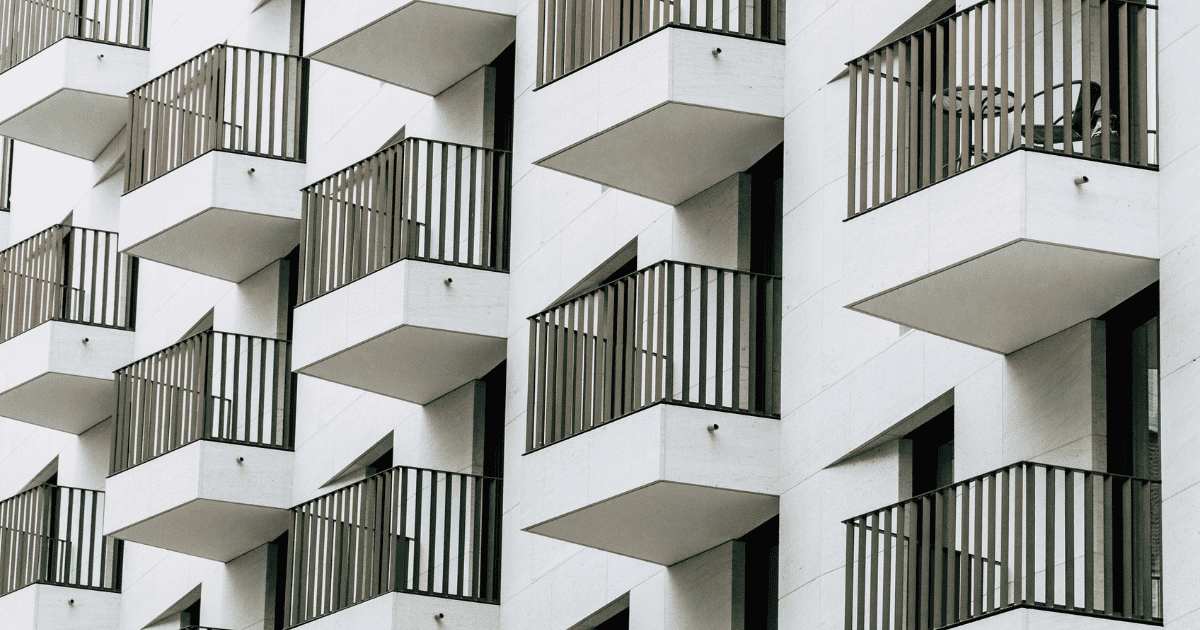
A balcony can look completely fine from above while still having a waterproofing issue underneath, which is what catches many people off guard.
Pretoria apartment complexes deal with this quite often because water can enter through small, damaged areas and continue spreading before there are obvious warning signs.
These problems usually start with one or more of the following:
- Failed waterproof membranes
- Cracked tiles and grout
- Poor drainage
- UV deterioration
- Structural movement
- Temporary patch repairs that fail repeatedly
Water getting through a balcony is not always a surface problem. It can pass into the slab underneath and from there find its way into other parts of the building. Waterproofing is an ideal solution that can stop a long chain of events before they start.
Key Takeaways
| Balcony Problem | Likely Cause | Best Solution |
| Water leaking below balcony | Failed waterproofing membrane | Full waterproofing assessment |
| Cracked balcony tiles | Structural movement or moisture | Repair + waterproofing |
| Ponding water | Poor drainage | Drainage correction |
| Bubbling paint below balcony | Moisture penetration | Waterproofing system |
| Recurring balcony leaks | Temporary patch repairs failing | Full membrane replacement |
Why Balcony Waterproofing Fails in Pretoria Complexes
The climate in Pretoria puts exposed balconies through repeated stress during the year. Extreme heat, rain during wetter months, and surface movement linked to changing temperatures slowly affect the performance of balcony waterproofing.
Unlike interior surfaces, balconies are exposed daily to:
- Constant exposure to sunlight
- Rain and damp conditions during changing weather
- Weather changes that bring shifts in temperature
- Daily wear from people walking across the area (foot traffic)
- Subtle structural movement caused by materials expanding and contracting
All this puts the waterproofing layer under strain. Over time fractures, weak areas and failure might start to emerge letting moisture get beneath the tiles.
Leakage in Pretoria apartment complexes often occurs due to factors such as exposure to the sun’s ultraviolet rays, poor drainage, cracked tiles, damaged membrane, and building movement. This results in water seeping through to the lower levels of the building.
Why Balcony Problems Are So Common in Complexes
Balconies in complexes tend to take more strain than people realise. It is not always one big failure, either; often it is a mix of the following:
- Multiple balconies age simultaneously
- Drainage systems are shared
- Maintenance is delayed
- Repairs are inconsistent between units
When one balcony leaks, moisture may spread into:
- Lower apartments
- Exterior walls
- Ceilings
- Adjacent units
Why Waterproofing Fails on Balconies
| Cause | Effect |
| UV exposure | Membrane cracking |
| Ponding water | Moisture penetration |
| Tile movement | Grout and seal failure |
| Structural expansion | Waterproof membrane splitting |
| Poor drainage | Persistent leaks |
| Aging waterproof systems | Recurring water damage |
Expert Takeaway
Indoor signs of a roof leak do not usually show up straight away. Water can get beneath the tiled surface and slowly build into a bigger issue before there is anything noticeable inside the home.
Balconies leak because water can move through small gaps and damaged areas below the surface before you can see it.
Yes. Pretoria’s bright sunshine might cause waterproofing materials to degrade prematurely. Rainy times then reveal the weak points, particularly where tiles have shifted or grout has begun to break.
Common Balcony Waterproofing Problems Property Owners Overlook

Most people do not think much about balcony waterproofing until there is an obvious problem to deal with. However, many issues start long before that point.
What looks insignificant early on does not always demand attention straight away. It can linger for a while before anyone notices it properly.
1. Cracked Tiles and Grout
Everything might look fine from above, but water does not need much space to get through. A crack in the grout or tile can be enough for moisture to get underneath and start affecting the layer below.
There is usually a reason this starts happening, including:
- Thermal movement
- Poor installation
- Substrate shifting
- Aging materials
2. Failed Waterproof Membranes
The waterproof membrane is out of sight beneath the finished surface, which is why problems can develop quietly at first.
Membranes usually begin failing because of:
- Water penetrates concrete slabs
- Leaks spread into units below
- Internal dampness develops
3. Ponding Water
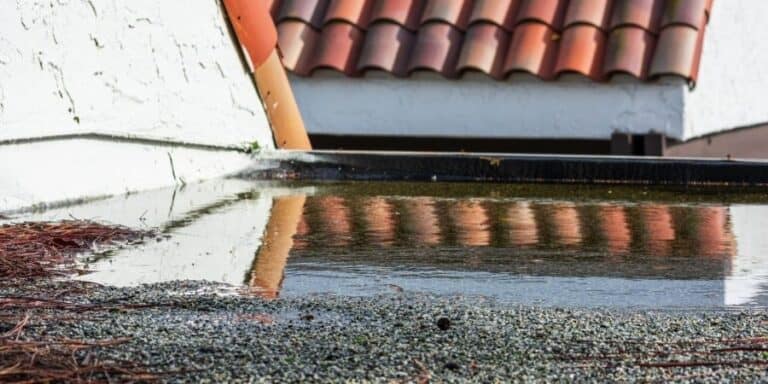
Balconies should drain efficiently. Poor slope design or blocked outlets trap water on the surface.
Persistent standing water accelerates:
- Tile deterioration
- Membrane weakening
- Concrete damage
4. Expansion Joint Failure
Temperature changes place pressure on balcony structures every day, even if it is not immediately noticeable.
That movement can create problems where:
- Cracks form
- Waterproofing separates
- Moisture enters structural gaps
5. Issues with Drainage
Several older complexes in Pretoria still battle with balcony water drainage. Narrow outlets and blocked drain points can make it difficult for water to drain properly, which can lead to water pooling where it should not.
A balcony can look completely normal from the outside and still have water getting underneath it. There does not have to be a big crack or visible damage. Small faults are enough. Once water starts slipping below the surface, it does not stay there quietly. It can spread into surrounding areas and turn into leaks or larger repair problems later.
Common Issues with Balcony Waterproofing
| Problem | Resulting Damage |
| Cracked tiles | Water penetration |
| Failed membrane | Balcony leaks |
| Ponding water | Structural deterioration |
| Blocked drains | Overflow and moisture spread |
| Expansion joint cracks | Membrane separation |
| Poor waterproofing installation | Recurring failures |
Balcony Leak Sources
| Leak Source | Common Location |
| Grout failure | Between tiles |
| Flashing separation | Balcony edges |
| Drainage outlet leaks | Drain points |
| Membrane cracks | Beneath tiles |
| Joint movement | Expansion joints |
Yes. Even a small opening is enough for water to enter. In case of cracks on the tiles or the grout coming off, water can affect the surface under the tile.
Water starts getting through instead of being blocked out. You might notice damp spots or leaking first, while damage underneath continues building up.
Tell-Tale Signs of Balcony Waterproofing Failure
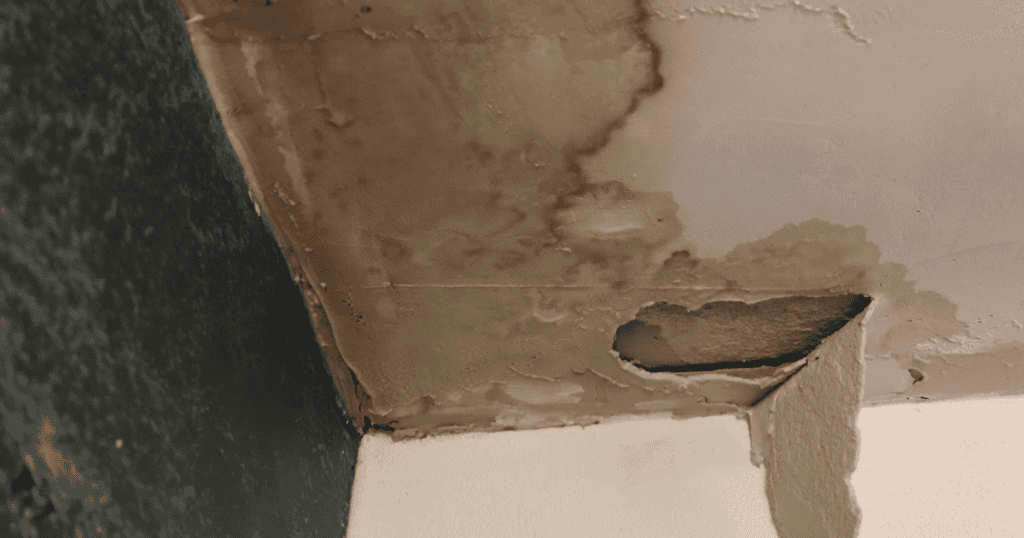
Balcony waterproofing problems rarely announce themselves in a dramatic way at the beginning. Water can work its way underneath tiles and surfaces for quite a while before there is anything obvious to see, which is why small warning signs deserve attention.
Balcony Issues That Should Not Be Ignored
Water Stains Below the Balcony
Stains forming underneath the balcony area can suggest water has started working its way through.
A Persistent Musty Odour
A musty smell that sticks around can be linked to moisture in hidden areas.
Tiles That Sound Different When Tapped
A hollow sound under certain tiles or edges lifting away from the surface may suggest moisture underneath.
Bubbling Paint
Areas where paint begins bubbling, cracking, or lifting can point to moisture spreading.
Small Cracks Running Through the Grout
Even narrow cracks in grout lines can create a path for water over time.
If water is passing through the surface of the balcony, there are several warning indications before more severe damage occurs.
Something can seem off before you know what is causing it. There might be a wet smell that will not disappear, then a patch appears, paint starts lifting, or grout begins breaking apart. Tiles can also start coming loose when moisture sits below them.
How to Spot Waterproofing Problems on a Balcony
| Warning Sign | Likely Cause |
| Ceiling stains | Active leak |
| Loose tiles | Moisture beneath tiles |
| Bubbling paint | Water ingress |
| Mold growth | Persistent dampness |
| Cracked grout | Waterproofing weakness |
Professional Insight
Sometimes the repair itself is not the issue, but what is missed underneath that causes problems. Water trapped below tiles or in damaged waterproofing can turn into the same problem repeatedly.
The first sign is often not on the balcony itself. It might be a stain forming in the room underneath, plaster starting to discolour, or tiles that no longer feel secure.
Yes. Once water finds a path, it can work through nearby walls and ceilings and sometimes affect neighbouring spaces as well.
Why Balcony Repairs Often Fail
Many Pretoria complexes repeatedly repair balcony leaks without addressing the underlying waterproofing system.
This creates a cycle of:
- Temporary fixes
- Recurring leaks
- Increasing maintenance costs
Common Reasons Repairs Fail
Surface Sealants Are Temporary
Applying sealant over cracked grout or tiles rarely solves underlying membrane failure.
Moisture Remains Trapped Beneath Tiles
If trapped moisture is ignored, leaks continue spreading beneath repaired areas.
Incorrect Waterproofing Materials
Using incompatible products often causes adhesion failure and rapid deterioration.
Drainage Problems Remain Unresolved
Without correcting drainage issues, ponding water continues damaging repaired sections.
Structural Movement Is Ignored
Balconies naturally expand and contract. Repairs that ignore movement usually crack again.
It is easy to repair what is right in front of you. The trouble is that balconies can have damage hidden underneath the surface too. Cracks may be filled and sealed, although if old waterproofing has failed or water is sitting where it should not, the repair may not last very long.
Why Balcony Repairs Fail
| Repair Issue | Long-Term Result |
| Surface-only patching | Leak recurrence |
| Ignoring trapped moisture | Ongoing deterioration |
| Poor drainage correction | Ponding water returns |
| Low-quality materials | Premature failure |
| No membrane replacement | Continued leaks |
Typical Mistakes with Balcony Repairs
Tiles are sometimes treated as the problem when they are only showing that something underneath has gone wrong. Changing them without fixing failed waterproofing can leave the source of the issue untouched.
Because the first repair may not have reached the part causing the trouble. Water usually gets in through damage underneath the surface, and if that area was unattended, the leak can show up again.
Not always. It may help reduce water getting through for some time, but bigger waterproofing issues usually need more than a surface treatment.
Best Waterproofing Solutions for Pretoria Balconies
Long-term balcony protection requires professional waterproofing systems designed for exposed exterior conditions.
Popular Balcony Waterproofing Systems
Polyurethane Waterproofing
Outdoor balcony spaces face changing temperatures throughout the year, and surfaces respond to that naturally. A polyurethane coating is used where waterproofing needs to work alongside that movement rather than against it.
Benefits:
- Flexible membrane
- UV resistance
- Seamless application
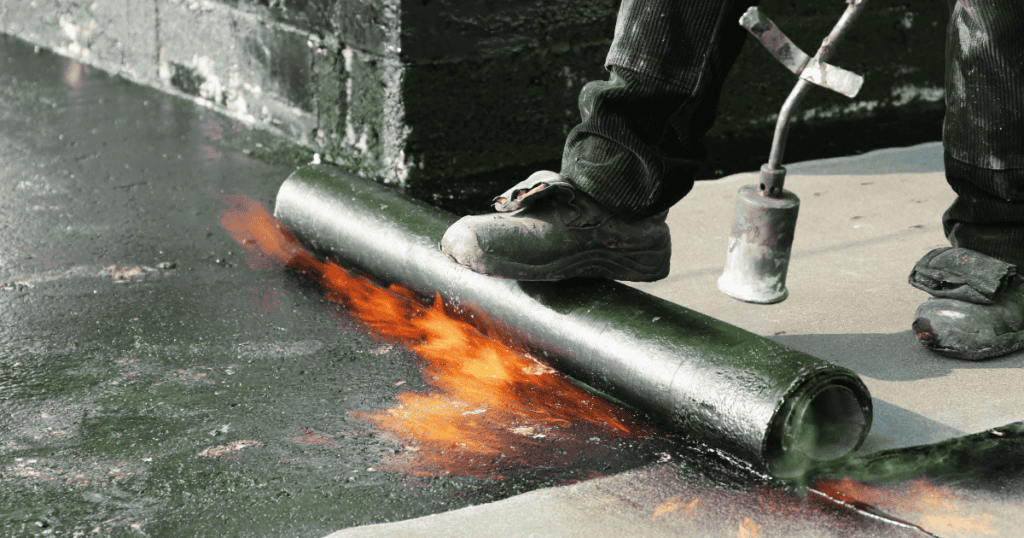
Torch-On Waterproof Membranes
Durable waterproofing systems commonly used on larger balconies and walkways.
Benefits:
- Long lifespan
- Strong waterproof barrier
- Excellent durability
Cementitious Waterproofing
Often used beneath tiled balcony systems.
Benefits:
- Strong adhesion
- Compatibility with concrete surfaces
Acrylic Waterproof Coatings
Balconies without overhead cover need extra attention over time. Acrylic coatings provide a waterproof layer while helping preserve the condition of the surface.
Benefits:
- Reflective finish
- Lower maintenance
- Easier application
A balcony with drainage issues is not going to be treated the same as one with a different tile layout or more exposure to the weather. Pretoria complexes use several waterproofing methods for that reason, with polyurethane, acrylic, torch-on, and cement systems all being used, depending on the situation.
Balcony Waterproofing System Comparison
| System | Best For | Typical Lifespan |
| Polyurethane coating | Movement-prone balconies | 10–15 years |
| Torch-on membrane | Large balconies | 15–25 years |
| Cementitious system | Tiled balconies | 8–15 years |
| Acrylic coating | Maintenance waterproofing | 5–10 years |
Waterproofing Benefits
| Benefit | Property Impact |
| Leak prevention | Reduced repairs |
| Structural protection | Longer balcony lifespan |
| Moisture control | Reduced risk of mould |
| UV resistance | Better durability |
| Lower maintenance | Reduced long-term costs |
Expert Insight
Getting waterproofing done is one part of the job. Making sure the balcony drains properly and preparing the surface underneath matters if you want it done once and done properly.
Polyurethane and torch-on systems are popular options because they are designed for surfaces that spend their time dealing with sun, rain, and changing weather conditions.
The lifespan changes from one system to another, although many professionally applied options can last anywhere from 8 to 25 years.
What Is the Difference Between Balcony Waterproofing and Balcony Repairs?
Balcony repairs and waterproofing serve different purposes.
A repair job fixes problem areas once damage has already shown up. Waterproofing is different, and its purpose is to stop water from working its way into the balcony and causing trouble beneath the surface later.
In most cases, cracked grout and broken tiles are repair problems as the damage only affects specific regions. Water intrusion into the balcony structure is a separate issue, which is why waterproofing is used to prevent further damage over time.
Overview of Balcony Repair vs Waterproofing
| Factor | Balcony Repair | Balcony Waterproofing |
| Purpose | Fix visible damage | Prevent future leaks |
| Scope | Localized | Full balcony system |
| Lifespan | Short to medium term | Long-term protection |
| Cost | Lower upfront | Higher upfront |
| Maintenance Frequency | Higher | Lower |
| Best For | Minor isolated issues | Recurring leaks |
Pros and Cons
| Solution | Pros | Cons |
| Repairs | Lower initial cost | Temporary if membrane failed |
| Waterproofing | Long-term protection | Higher upfront investment |
If you are dealing with the same issue every few months, patching one area will no longer solve the larger issue, which is when waterproofing is a better solution.
A full waterproofing system generally has a much longer lifespan than fixing individual cracks or damaged areas as they appear.
What Happens When You Ignore Balcony Leaks?
Balcony leaks do not remain minor for long. Water can spread into adjacent materials, creating more maintenance difficulties.
Moisture can eventually spread to:
- Concrete slabs
- Walls
- Ceilings
- Insulation
- Neighbouring units
Common Risks
Concrete Deterioration
Moisture reaching reinforced concrete can trigger corrosion within the steel support structure. As rust develops, the concrete surrounding it becomes vulnerable to damage.
Mould Growth
Persistent moisture creates the type of environment where mould thrives, affecting surrounding surfaces and indoor conditions.
Structural Cracking
Repeated movement from expansion and contraction puts pressure on balcony materials. Water penetration makes the problem worse, and damage begins to show through cracks.
Tenant Complaints
Leaking balconies frequently lead to:
- Disputes
- Maintenance complaints
- Property value concerns
The balcony might be where the leak starts, but the damage rarely ends there. Water can affect concrete, cause cracks to form, damage ceilings below and create damp conditions in nearby apartments. Early repairs usually cost less than dealing with the aftermath.
Risk Matrix
| Risk | Severity |
| Ceiling damage | High |
| Mold growth | Medium to high |
| Concrete weakening | High |
| Structural cracking | Medium |
| Tenant complaints | High |
es. Repeated water exposure can take its toll and start causing damage beneath the surface rather than only on top of it.
It can turn into one. Long-standing water damage can eventually weaken parts of the structure.
How Can Complexes Prevent Future Balcony Waterproofing Problems?
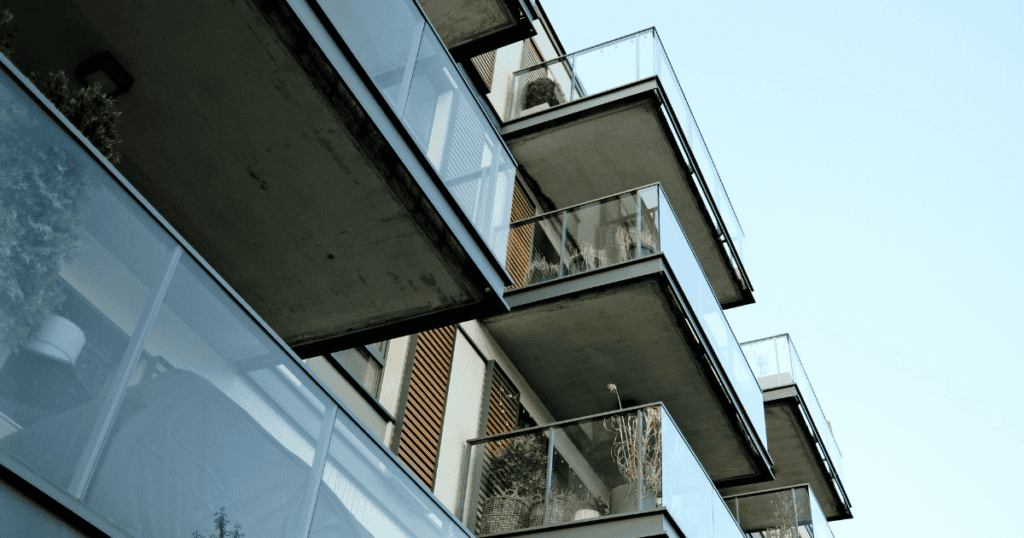
Regular balcony maintenance can help avoid the much higher costs linked to large-scale restoration work.
Best Preventive Practices
Schedule Regular Balcony Inspections
Annual inspections help identify:
- Membrane deterioration
- Drainage problems
- Cracked grout
- Tile movement
Maintain Drainage Systems
When balcony drains fill up with dirt and debris, rainwater cannot drain properly, and this places more pressure on waterproofed areas.
Address Minor Cracks Early
What looks harmless now can turn into peeling, leaks, or damaged surfaces.
Use Professional Waterproofing Systems
Temporary repairs can become a cycle of repeat work and added costs. Proper waterproofing methods provide more dependable protection.
Waterproofing problems on apartment balconies usually do not start with a major failure. More commonly, small cracks are ignored, drains clog up, and maintenance is postponed.
A yearly check and proper waterproofing work can stop those smaller issues from turning into expensive repairs.
Balcony Maintenance Checklist
- Inspect drainage outlets
- Check tile movement
- Examine grout lines
- Inspect waterproof membranes
- Look for ponding water
- Monitor ceiling stains below balconies
- Repair cracks immediately
Recommended Balcony Inspection Schedule
| Inspection Area | Frequency |
| Drainage systems | Every 3–6 months |
| Waterproof membranes | Annually |
| Tile condition | Annually |
| Structural cracks | After heavy storms |
Expert Insight
The most effective balcony waterproofing strategy combines:
- Early leak detection
- Professional waterproofing
- Drainage management
- Ongoing maintenance inspections
An annual balcony inspection is usually the safest option. It gives professionals a chance to pick up cracks, movement, or water-related damage before it worsens.
It can. Looking after waterproofing with routine upkeep and small repair work can extend its service life.
Conclusion
People usually notice the leak first and only later find out how much is sitting behind it. Balcony waterproofing problems are common in Pretoria apartment complexes because materials age, drainage problems happen, and years of direct sun slowly wear things down.
Small repairs can help, although some leaks return because the cause was never fully addressed. Taking care of it earlier can save a building from much larger repair work later.
Give us a call today for a free estimate or to schedule your next roof repair!
Call Connoisseur Roofs Today at:
083 666 1394
083 666 1392
082 322 5075
E-mail: conroofs@webmail.co.za