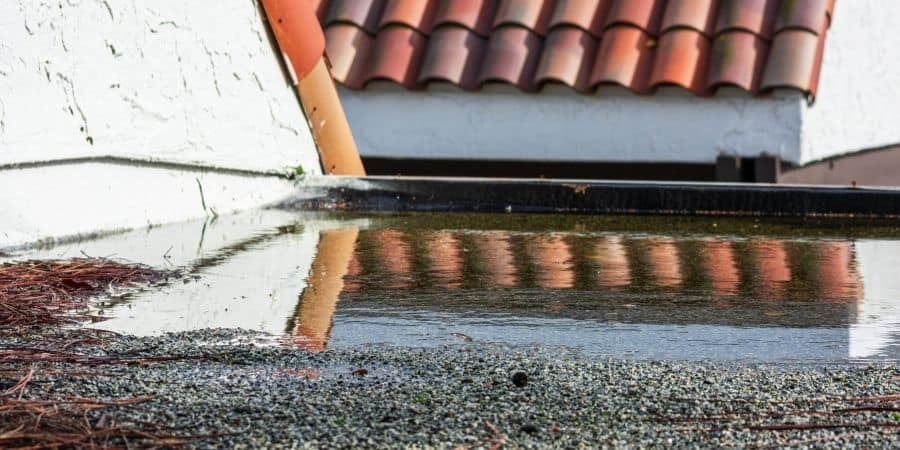
A roof can look “fine” from inside the building while the waterproofing is failing. The warning signs are usually outside: cracks, standing water, damp areas, and old materials starting to fail. No leak indoors does not automatically mean that there are no problems.
For Pretoria property owners, waiting can cost more later. A roof can cope for a while with worn waterproofing, then fail suddenly during heavy rain. That is usually when small weaknesses become visible inside the home.
Key Takeaways
| What you notice | What could be going on | Why it matters |
| Leaks after rain | Waterproofing has opened somewhere | The same leak will keep coming back |
| Water lying on the roof | Water is not draining off properly | A wet roof surface wears down faster |
| Cracks in the coating | The waterproofing layer is ageing | Water can start getting into weak spots |
| Damp marks on ceilings | Water has already come through | The problem may be bigger than the stain |
| Mould or mildew | Moisture has been hanging around | The area is not drying out properly |
What Does Roof Waterproofing Actually Do?

Roof waterproofing is used where the roof needs extra protection against rainwater. The right approach depends on the roof material, roof pitch, and problem areas, and may include:
- Waterproof coatings
- Torch-on membranes
- Acrylic waterproofing systems
- Bitumen membranes
- Polyurethane waterproofing
- Joint and flashing protection
Even good waterproofing needs attention after enough time. Sun can dry it out, rain can find weak spots, and old joins or repairs can start giving problems.
Why Waterproofing Problems Often Go Unnoticed

By the time damp is visible, the waterproofing issue may already have had time to spread. Roof finishes and coatings can hide the damage until water finds a visible route through.
Waterproofing problems often develop due to:
- Continuous UV exposure
- Ageing roofing materials
- Ponding water
- Structural movement
- Weather-related wear
- Poor previous repairs
- Lack of maintenance
By the time water becomes visible indoors, the underlying issue may already be well established.
1. Recurring Roof Leaks
One leak may simply indicate isolated damage.
When leaks keep returning, however, the problem is often bigger than a single weak spot.
Recurring leaks can suggest:
- Ageing waterproof membranes
- Widespread waterproofing failure
- Hidden moisture beneath the roof surface
- Deteriorated flashing details
- Ongoing drainage problems
Roofing Insight
A repair deals with the affected area first. Waterproofing becomes more important when the same problem keeps coming back despite previous repair work.
When a leak returns more than once, another patch is usually money in the bin. The roof needs a waterproofing assessment.
2. Ponding Water That Remains After Rain
Rainwater should clear a flat roof within a reasonable time. When the same patches stay wet or hold water long afterwards, the waterproofing is exposed for longer than intended.
Ponding water can contribute to:
- Membrane deterioration
- Surface cracking
- Moisture getting through
- Accelerated aging
- Repeat leak problems
Common Causes of Ponding Water
| Cause | Potential Result |
| Blocked outlets | Water accumulation |
| Poor drainage design | Standing water |
| Roof settlement | Localised ponding |
| Ageing waterproofing | Faster surface wear |
One wet patch is easy to ignore. The problem is repeat pooling, especially when the same section stays wet after every heavy rain.
3. Cracks in Roof Coatings or Waterproof Membranes
A roof is never completely still. From the first heat of the morning to a cooler evening, small amounts of movement are normal. Waterproofing has to cope with that movement daily.
Warning signs of waterproofing strain include:
- Surface cracking
- Membrane splitting
- Lifting edges
- Blistering
- Separation around joints
4. Damp Patches, Ceiling Stains, or Interior Moisture
A waterproofing problem can be present long before anyone looks at the roof. The first signs are commonly found inside the building.
Watch for:
- Ceiling stains
- Discoloured plaster
- Damp walls
- Peeling paint
- Bubbling ceilings
The leak you see inside is not always where the roof is damaged. Water can travel through the roof structure before appearing at the lowest section of the ceiling.
Why Early Detection Matters
A small damp patch can be the early warning. Sort out the cause before the wall, ceiling, or skirting starts breaking down.
5. Mould, Mildew, or Persistent Damp Smells
Do not rely on the wall to show you the problem straight away. If the musty smell keeps coming back, start looking for damp behind or around the area.
A musty smell could indicate:
- Hidden roof leaks
- Moisture trapped inside the property
- Failed or ageing waterproofing
- Damp left untreated over time
Cleaning mould is the easy part. The important part is finding the damp patch, leak, or airflow issue behind it.
6. Roof Waterproofing That Is Reaching the End of Its Lifespan
Two buildings completed at the same time will not necessarily need waterproofing work at the same stage. Exposure, workmanship, and the system used all play a part, and national building standards set minimum performance expectations for how long a system should last.
Once waterproofing has been in place for several years, inspections become more worthwhile.
Typical waterproofing lifespans vary depending on:
- Product type
- Installation quality
- Weather exposure
- Roof condition
- Maintenance history
Typical Waterproofing Lifespans
| Waterproofing System | Typical Lifespan |
| Acrylic coating | 5–10 years |
| Polyurethane system | 10–15 years |
| Bitumen membrane | 10–20 years |
| Torch-on membrane | 15–25 years |
Leaks are usually the late warning. Regular inspections give you a chance to find the worn part first, whether it is a cracked tile, loose sheet, or failing seal.
The Cost of Delaying Roof Waterproofing

Waiting for a visible leak can be an expensive mistake. Water often travels before it shows, which means the first stain on a ceiling may already point to wider damage. The potential impacts include:
| Problem | Potential Impact |
| Water penetration | Ceiling and wall damage |
| Damp insulation | Reduced energy efficiency |
| Mould growth | Ongoing moisture concerns |
| Structural deterioration | Larger repair requirements |
| Recurring leaks | Higher maintenance costs |
Waterproofing repairs are usually more straightforward while the problem is limited to the source of the leak. A damp problem is cheaper to deal with before it spreads. Once nearby finishes are affected, the repair becomes bigger.
When Should You Arrange a Roof Waterproofing Inspection?

These are some of the more common signs that it is time to arrange a waterproofing inspection:
- Leaks keep returning
- Water ponds on the roof
- Waterproof coatings are cracking
- Ceiling stains have appeared
- Damp smells persist
- The roof waterproofing system is ageing
- Previous repairs have not solved the problem
A leaking roof should be inspected before considering replacing the waterproofing. Some roofs need a straightforward repair. Others have reached the point where patching one area simply delays the next problem.
Frequently Asked Questions
How do I know if my roof waterproofing is failing?
Look for the same leak returning, damp inside, ceiling marks, cracks on the waterproofing, or rainwater that does not drain away.
Can roof waterproofing prevent future leaks?
It can. Waterproofing works best before the roof has major damage, not after water has already found several entry points.
Is roof waterproofing only necessary after a leak?
No. Roof waterproofing can be done as prevention, not only after a leak has already appeared.
How often should roof waterproofing be inspected?
An inspection is worth arranging after a major storm or when the waterproofing has been in place for several years. Those are the times when wear is more likely to appear.
Conclusion
Most waterproofing jobs begin with somebody saying, “It has been doing this for a while.” The ceiling stain keeps returning, the roof never dries evenly after rain, or a split has appeared in the waterproofing.
The danger is assuming the problem can wait. Moisture can sit beneath the surface long before the roof shows the full extent of the damage.
A proper check at that stage can save money, protect the roof structure, and reduce repeat maintenance.
Request a Free Roof Inspection
A small waterproofing issue can become expensive if it is left too long. Connoisseur Roofs assists Pretoria property owners with roof waterproofing, roof repairs, and preventative maintenance, backed by family-owned experience dating back to 1977.
Request a free quote or book a no-obligation roof assessment today.