A leaking office roof affects more than the building itself. Water entering through the roof can interrupt daily operations, damage office equipment, create health concerns, and increase maintenance costs long before the full extent of the problem becomes visible.
Many commercial roof problems begin as small waterproofing failures. A crack in a membrane, blocked drainage, or aging roof coating may not seem urgent, but water only needs a weak spot to enter the roof system.
For office buildings in Pretoria, where roofs are exposed to intense sunlight, seasonal storms, and changing temperatures throughout the year, professional commercial roof waterproofing is one of the most effective ways to protect the building and extend the roof’s service life.
Key Takeaways
| Waterproofing Challenge | Potential Impact | Recommended Solution |
| Recurring roof leaks | Business disruption | Waterproofing assessment |
| Ponding water | Faster membrane deterioration | Drainage improvements and waterproofing |
| Aging waterproofing system | Increased leak risk | Professional waterproofing maintenance |
| Cracked roof coatings | Water entering the roof system | Localised repairs or membrane renewal |
| Delayed maintenance | Higher repair costs | Planned preventative maintenance |
Why Office Buildings Need Professional Roof Waterproofing
Commercial roofs face different demands from residential properties.
Office buildings often have:
- Large roof areas
- Air-conditioning units
- Multiple roof penetrations
- Flat or low-pitched roof designs
- Higher maintenance traffic
These factors create more areas where waterproofing systems may eventually weaken.
Pretoria’s climate adds further pressure through:
- Strong UV exposure
- Heavy summer rainfall
- Daily temperature fluctuations
- Wind-driven rain
Over time, these conditions gradually reduce the effectiveness of waterproofing materials.
Common Waterproofing Problems on Office Buildings

Roof waterproofing rarely fails all at once.
Problems usually develop gradually before becoming obvious.
Common issues include:
Aging Waterproof Membranes
As waterproofing systems age, they may begin showing:
- Surface cracking
- Membrane separation
- Joint failure
- Reduced flexibility
These changes increase the chance of water entering the roof structure.
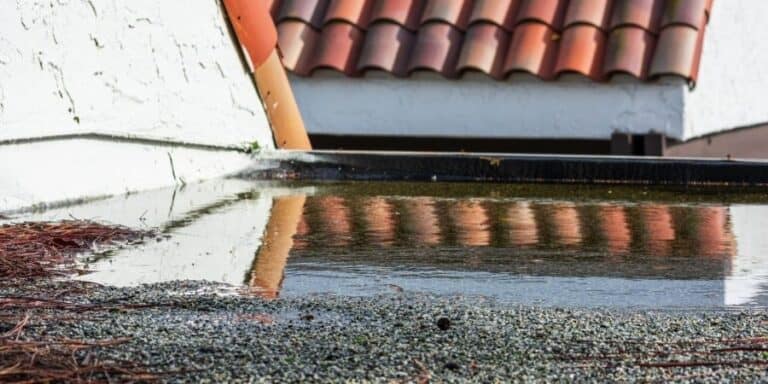
Ponding Water
Flat office roofs should allow water to drain effectively.
Standing water often indicates:
- Blocked outlets
- Poor drainage
- Roof settlement
- Uneven roof surfaces
Water that remains on the roof after rainfall places additional pressure on waterproofed areas and may shorten the lifespan of the system.
Flashing Deterioration
Flashing protects vulnerable roof areas around:
- Air-conditioning equipment
- Roof penetrations
- Parapet walls
- Expansion joints
As flashing ages, water may begin entering around these details.
Previous Temporary Repairs
Repeated patch repairs often solve immediate leaks without addressing the underlying waterproofing system.
If leaks continue returning, a broader waterproofing solution may be more appropriate.
Signs an Office Building May Need Waterproofing
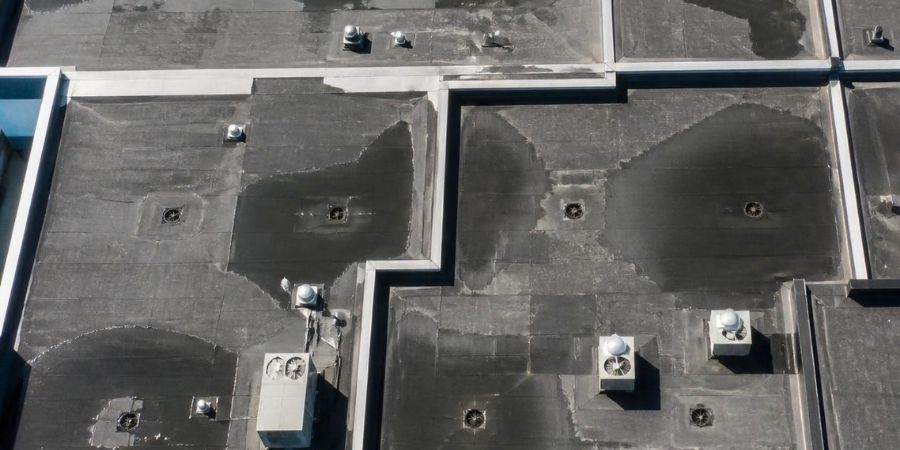
The first warning signs are not always on the roof itself.
Property owners and facility managers should watch for:
- Ceiling stains
- Damp walls
- Bubbling paint
- Persistent damp smells
- Water after heavy rain
- Ponding water on the roof
- Recurring leak call-outs
Roofing Insight
The visible leak is not always the real problem. Water can travel beneath roofing materials before becoming visible inside the building. A professional inspection helps identify where moisture is entering the roof system.
Choosing the Right Commercial Roof Waterproofing Solution
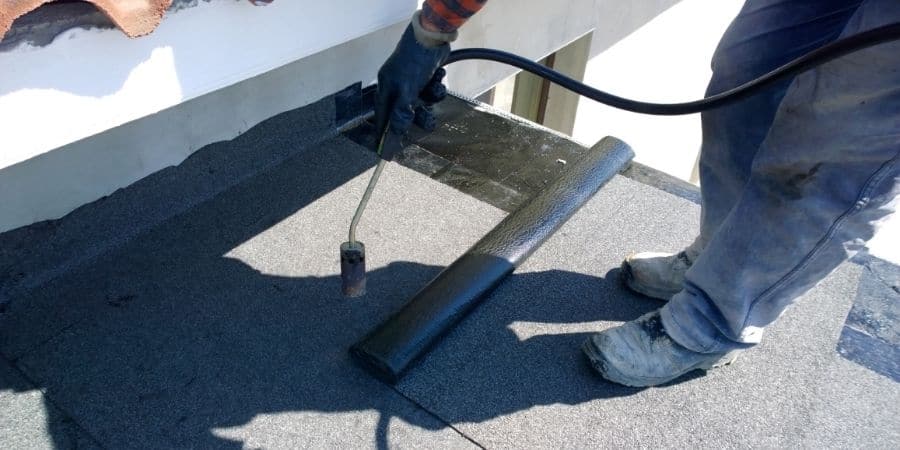
The most suitable waterproofing system depends on:
- Roof construction
- Roof age
- Building use
- Drainage performance
- Existing roof condition
- Maintenance history
Different office buildings may require different approaches.
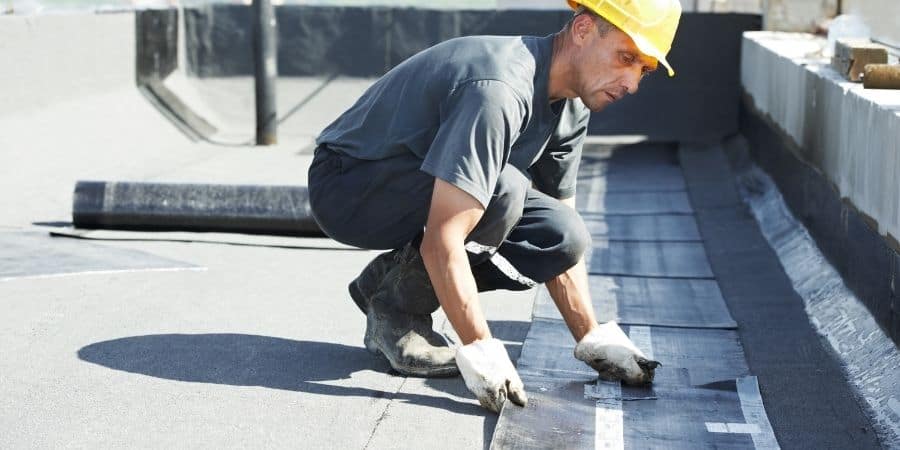
Torch-On Waterproof Membranes
Torch-on systems are commonly used on commercial flat roofs because they provide durable long-term moisture protection.
They are often suitable for:
- Large office buildings
- Flat concrete roofs
- Roofs exposed to regular weather conditions
- Buildings requiring long-term waterproofing
Acrylic Waterproof Coatings
Acrylic waterproofing is frequently used where roofs remain structurally sound and require renewed surface protection.
Benefits include:
- UV resistance
- Reflective finish
- Flexible coating
- Easier maintenance applications
Bitumen Waterproofing
Bitumen membrane systems are widely used on commercial buildings where durable waterproof protection is required.
They perform well on roofs exposed to:
- Standing water
- Heavy weather exposure
- High maintenance demands
Polyurethane Waterproofing
Polyurethane systems provide flexible waterproof protection where roof movement is expected.
They are commonly selected for roofs that expand and contract with changing temperatures.
Waterproofing System Comparison
| Waterproofing System | Best Suited For | Typical Lifespan |
| Acrylic coating | Maintenance waterproofing | 5–10 years |
| Polyurethane | Roofs with structural movement | 10–15 years |
| Bitumen membrane | Commercial buildings | 10–20 years |
| Torch-on membrane | Large flat office roofs | 15–25 years |
The most appropriate system depends on the roof condition rather than the product alone.
Why Preventative Waterproofing Costs Less Than Roof Replacement
Many office buildings only receive attention once leaks begin affecting daily operations, and facilities management best practice points to planned maintenance rather than reactive repairs as the more sustainable approach.
Unfortunately, by that stage, damage may already include:
- Ceiling repairs
- Damaged insulation
- Wet electrical systems
- Interior refurbishment
- Business disruption
- Mould remediation
Preventative waterproofing helps reduce the likelihood of these secondary costs developing.
Comparing Long-Term Costs
| Maintenance Approach | Long-Term Outcome |
| Planned waterproofing maintenance | Lower repair costs and longer roof lifespan |
| Reactive leak repairs | Increasing maintenance expenses |
| Delayed waterproofing | Greater risk of structural damage |
| Roof replacement | Highest upfront investment |
Regular maintenance often extends the service life of commercial roofs while reducing the need for major restoration work.
A Simple Annual Roof Maintenance Plan
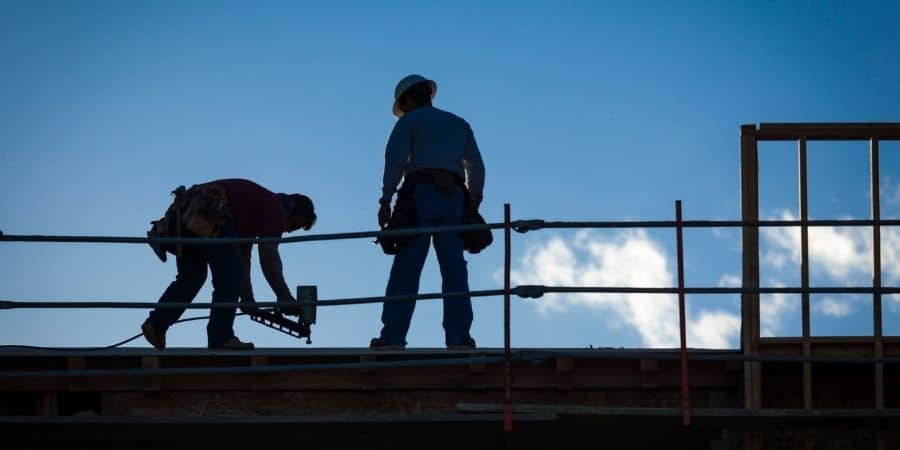
Office buildings benefit from a planned maintenance programme rather than emergency repairs.
A practical annual plan includes:
Every 3–6 Months
- Clean gutters and outlets
- Remove roof debris
- Inspect drainage systems
Annually
- Professional roof inspection
- Waterproofing assessment
- Flashing inspection
- Membrane condition review
After Severe Storms
- Check for storm damage
- Inspect roof penetrations
- Assess waterproofing performance
- Repair damaged areas promptly
Routine inspections allow small issues to be corrected before they interrupt business operations.
When Should You Call a Professional Roofing Contractor?

Arrange a professional assessment if you notice:
- Recurring leaks
- Standing water
- Ceiling stains
- Damaged waterproof coatings
- Bubbling paint
- Cracked roof membranes
- Storm-related roof damage
Even if no obvious leaks are present, older commercial roofs benefit from regular inspections to monitor the condition of waterproofing systems.
Frequently Asked Questions
How often should commercial roof waterproofing be inspected?
Most office buildings benefit from an annual inspection, with additional assessments after severe storms or if leaks develop.
Can waterproofing prevent roof replacement?
In many cases, yes. Regular waterproofing maintenance can extend roof lifespan when the underlying roof structure remains in good condition.
What is the best waterproofing system for office buildings?
The right solution depends on the roof design, drainage, condition, and maintenance requirements. A professional inspection helps determine the most appropriate system.
Is waterproofing better than repeated roof repairs?
Where leaks continue returning or waterproofing systems are aging, a comprehensive waterproofing solution is often more cost-effective than repeated temporary repairs.
Conclusion
Commercial roof waterproofing is about more than stopping leaks. It is an important part of protecting office buildings, reducing maintenance costs, and extending the service life of the roof.
Small waterproofing problems can develop quietly beneath the surface before becoming costly repairs. Regular inspections, planned maintenance, and professional waterproofing help identify these issues early, allowing building owners and property managers to make informed maintenance decisions.
Request a Free Commercial Roof Inspection
Since 1977, Connoisseur Roofs has provided professional commercial roof waterproofing, roof repairs, and planned maintenance services throughout Pretoria and Gauteng. As a family-owned business, we understand the importance of protecting commercial properties with quality workmanship and long-term waterproofing solutions.
Request a free quote or book a no-obligation commercial roof assessment today.